Introduction
If you’ve had a mole removal, wart removal, skin tag removal, or an ablative laser procedure for “lumps and bumps,” your aftercare routine plays a big role in how smoothly your skin heals and how the final result looks. The aim is simple: protect the healing surface, keep it comfortably moist, and reduce irritation and pigment risk while your skin rebuilds.
Why different body areas heal differently
A simple way to picture skin is as a multi-layer “sandwich.” The surface layer (epidermis) is your barrier, and the deeper layer (dermis) provides structure. When a lesion is removed (especially with ablative laser), your skin first needs to regrow the surface barrier, then strengthen and smooth the deeper layer over time.
Healing speed and reactivity vary by location:
- Face: usually heals fastest due to strong blood supply.
- Neck: often heals well but can stay red for longer.
- Arms: moderate healing; movement and friction can slow recovery.
- Legs: commonly heal slowest and may look red or darker for longer.
- High-friction areas (underarms, waistline, bra-strap zones): irritation can prolong healing.
This is why two people can have the “same” treatment but look different at one week. The site matters.
Wound healing in simple terms
After removal, your skin heals in three overlapping phases:
1) Inflammation (days 1-5): mild redness, swelling and tenderness are common as the body protects the area.
2) Re-epithelialisation (days 3-14): new surface skin grows across the treated spot.
3) Remodelling (weeks to months): the deeper layer strengthens and gradually becomes smoother.
Because remodelling takes time, it’s normal for the area to continue improving for several months.
Why Duoderm or Vaseline dressing helps
A common mistake is letting the wound dry out. Dry scabs can crack and pull at the edges, which can increase irritation and slow recovery.
- Vaseline (petrolatum) forms a protective moisture seal that supports smoother healing.
- Duoderm (a hydrocolloid dressing) acts like a gentle shield. It helps keep the area moist, protected from friction, and less tempted to be picked.
In simple terms: moist plus protected usually means calmer healing.
Practical aftercare tips (general guide)
Always follow your clinician’s specific instructions. In general, these principles often apply:
- Keep it clean: cleanse gently as advised (often with mild cleanser or saline).
- Keep it moist: apply a thin layer of Vaseline or use the recommended dressing.
- Hands off: avoid picking, scratching, rubbing or “checking” the area too often.
- Avoid harsh products: pause exfoliants, acids, retinoids, and strong actives near the area until you’re told it’s safe.
- Sun protection is essential: UV exposure is one of the biggest triggers for pigment changes after skin procedures.
What to expect after one week: redness and PIH
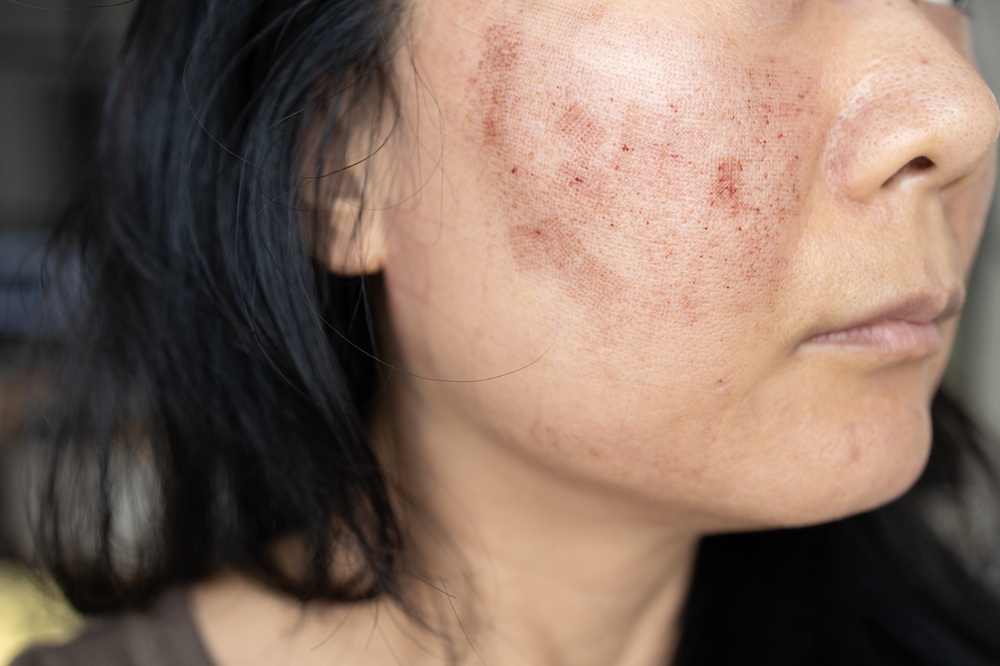
It’s common for treated areas to look pink or red after the first week, especially on the face and neck. Redness typically fades gradually over weeks, and sometimes longer depending on the depth of treatment and the body area.
Post-inflammatory hyperpigmentation (PIH) means temporary darkening that can occur after inflammation. It is more common in medium to deeper skin tones, or when the area is irritated or exposed to sun early.
PIH may:
- appear 1-3 weeks after treatment,
- look like a brown or grey-brown patch, and
- fade over weeks to months.
The best prevention is gentle care plus strict sun protection. Once the surface has fully healed, your clinician may recommend specific products to support pigment control and skin recovery.
Scar risk: low, but never zero
For most mole, wart, or skin tag removals, and many ablative laser treatments, scarring risk is minimal when aftercare is followed. However, any break in the skin carries a potential scar risk, particularly if there is infection, picking, repeated friction, or delayed healing (which is more common on the legs).
Seek prompt clinical review if you notice increasing pain, spreading redness, heat, pus, fever, or worsening swelling.
Disclaimer (Education Only)
This article is for general educational purposes only and does not replace personalised medical advice. Aftercare instructions can vary depending on the lesion type (moles, warts, skin tags), treatment depth, device settings, and your medical history. Always follow your treating clinician’s instructions and seek professional review if you have concerns or unexpected symptoms. Individual healing and results vary.