


Jawline sculpting in Sydney, shaped around your profile
A softer jawline can come from the chin, bone structure, muscle, under-chin fullness, skin support or a mixture of these. The best plan starts by finding the reason, not choosing a treatment from a menu.
Jawline contouring can create subtle definition in suitable patients, but the aim is not the same face shape for everyone. MA360 considers the front view, profile and chin-to-neck transition before explaining what may be realistic.
Arrange a jawline assessment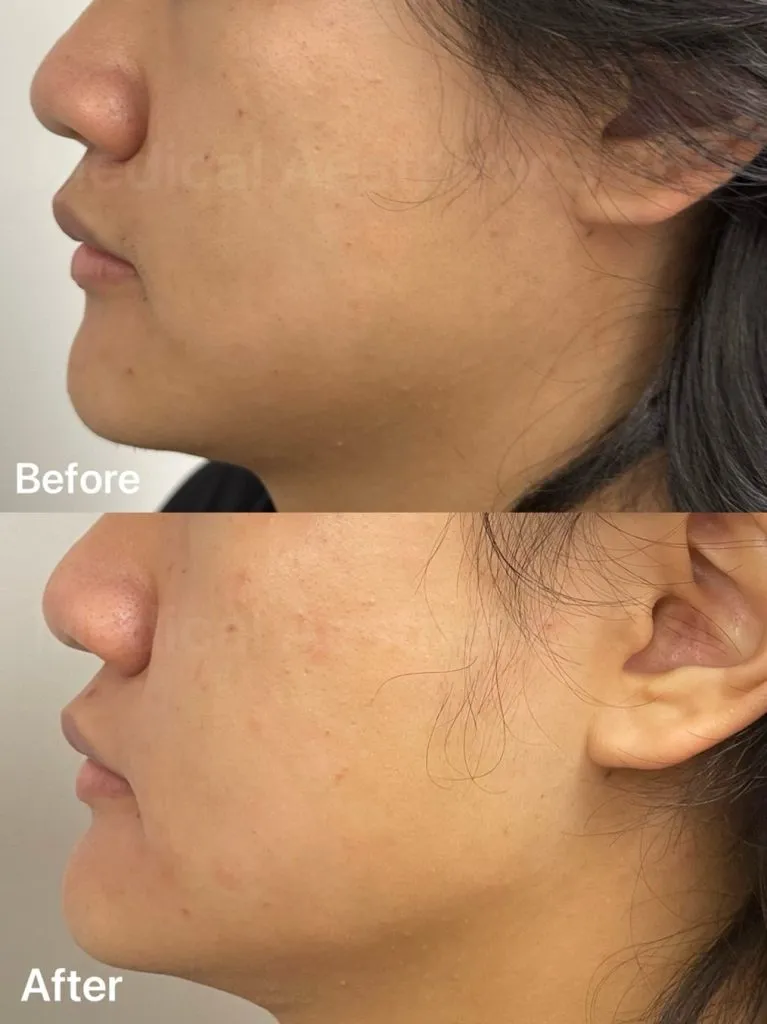
- Focus
- Chin, jawline and neck transition
- Planning
- Structural and soft-tissue assessment
- Goal
- Proportionate, individual definition
- Sydney clinics
- Chatswood and Hurstville
Three approaches to lower-face balance
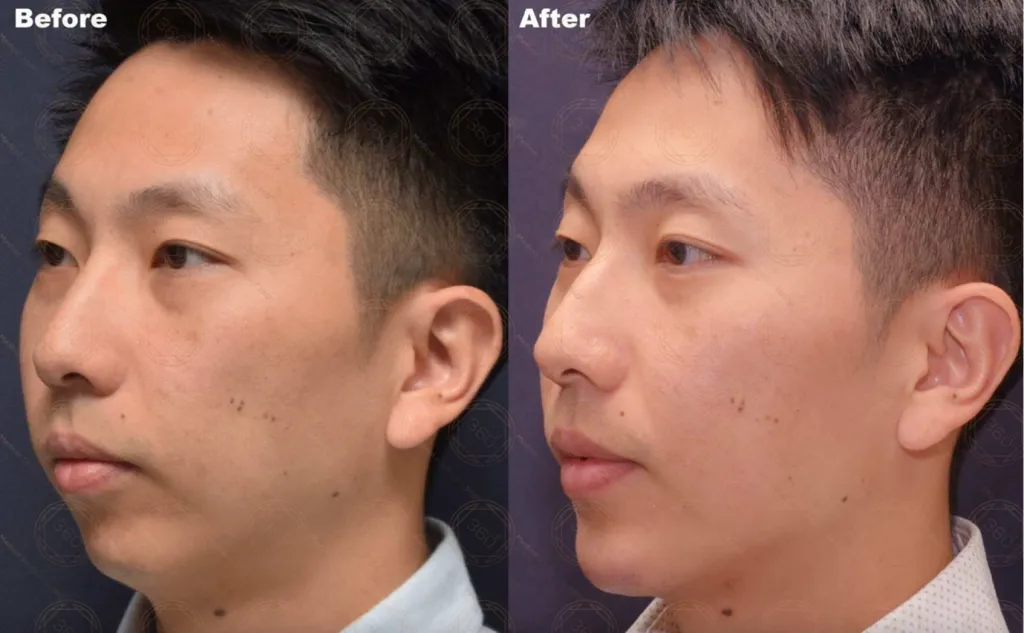
These photographs show individual treatment journeys rather than a standard result. Every image is displayed in its original proportion without cropping.
Subtle chin projection for a more balanced angle
A patient in his twenties wanted the side profile to look more continuous without making the lower face appear over-treated.
Read this case study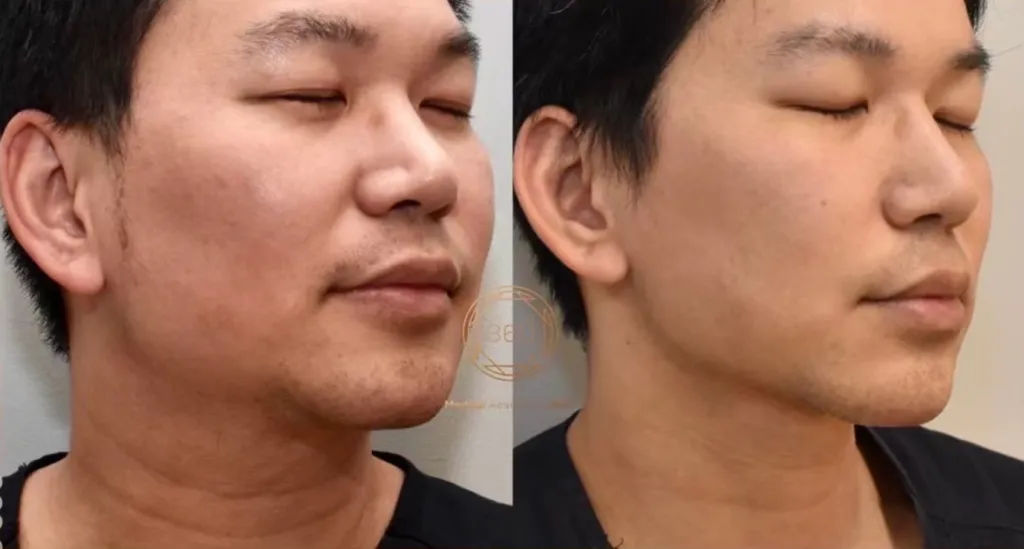
A sharper profile with measured lower-face definition
His concern was more noticeable from the side, where the chin and jawline appeared softer than they did from the front.
Read this case study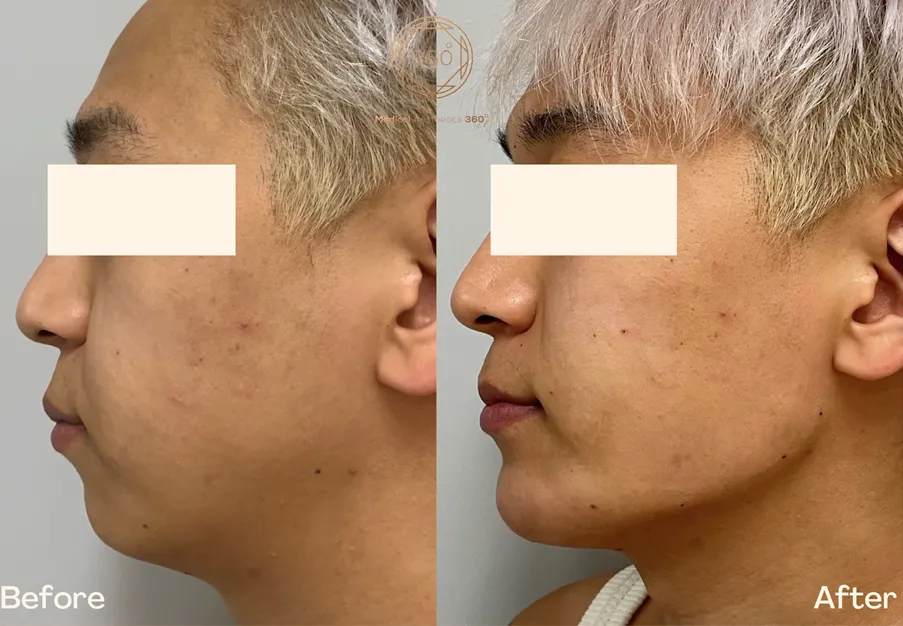
From a softer outline to clearer lower-face structure
This plan focused on the point where the chin blended into the jawline, while preserving the patient's natural facial character.
Read this case studyWhy a jawline can look softer than expected
The visible jaw border is not created by bone alone. Skin, fat, muscle, ligaments, chin projection and the angle between the chin and neck all influence what you see in photographs and in motion.
Bone structure
The length, width and angle of the mandible form the foundation of the lower face.
Chin projection
A shorter or retruded chin can interrupt the profile line and make the jawline appear less defined.
Under-chin fullness
Soft tissue beneath the chin can blur the transition between the lower face and neck.
Skin and jowling
Reduced firmness and tissue descent can soften the border of the jaw, especially beside the chin.
Muscle pattern
Jaw-muscle size and lower-face movement can affect width, angle and visible asymmetry.
Facial proportion
The nose, lips, cheeks and neck influence whether the lower face reads as balanced from each view.
Different concerns lead to different treatment directions
Jawline sculpting is an umbrella term, not a single procedure. A consultation may identify one main contributor or several that need to be prioritised carefully.
What a conservative plan may improve
- Continuity between the chin and jawline
- Selected jaw-angle or lower-face definition
- The visual balance of the side profile
- Specific asymmetries where treatment is appropriate
What it cannot promise
- A copied result from another person's photograph
- Permanent structural change without surgery
- Complete correction of marked laxity or skeletal asymmetry
- An identical result on both sides of a naturally asymmetric face
Lower-face assessment considers several layers
Published expert guidance identifies skin laxity, skeletal support, excess or insufficient volume, under-chin fullness, jowls, neck bands and jaw-muscle prominence as separate concerns that can affect the lower face and neck. It also describes this region as one of the more challenging areas to assess because more than one contributor is often present. The practical lesson for patients is simple: a treatment that suits a retruded chin may be unhelpful when the main issue is laxity or fullness. Read the lower-face and neck assessment paper on PubMed.
A useful appointment gives you a clearer decision
Describe
Show what you notice from the front, three-quarter view and profile, and explain how much change would feel right.
Examine
Medical history, previous procedures, symmetry, chin projection, muscle, skin and the chin-to-neck transition are reviewed.
Compare
Suitable directions, alternatives, limitations, recovery, likely longevity and relevant risks are discussed.
Decide
You can proceed, take time to consider the information, choose another pathway or decide against treatment.
When treatment may need to wait
Suitability depends on your health, anatomy, skin condition, previous procedures, expectations and the option under consideration.
- Disclose active infection, inflammation, broken skin or recent dental problems
- Discuss allergies, significant health conditions and previous complications
- Mention pregnancy, breastfeeding or plans that may affect timing
- Tell the clinician about upcoming dental work, surgery, travel or major events
- Provide a complete list of medicines and supplements
Understand risk before deciding
Temporary swelling, tenderness, bruising, redness, firmness and unevenness can occur. Depending on the procedure, less common problems may include infection, prolonged inflammation, nodules, asymmetry or dissatisfaction.
Rare but serious complications can include compromised blood flow and skin or tissue injury. Exact risks and the appropriate urgent-response plan depend on the proposed treatment.
- Know who is responsible for treatment and follow-up
- Understand the expected settling period and review timing
- Leave with written aftercare and urgent contact details
Seek urgent help for warning signs
Contact the clinic immediately for severe or increasing pain, pale or mottled skin, unusual colour change, cool skin or rapidly increasing swelling. Visual disturbance, eye pain, severe headache, weakness or another neurological symptom requires emergency assessment; call 000.
Plan for settling, not instant perfection
Recovery differs with the technique and your individual response. Your own aftercare instructions take priority over general timelines.
- Early daysSwelling, tenderness, redness, firmness or bruising may temporarily affect the apparent shape.
- First weeksThe lower face generally settles gradually. Temporary asymmetry can be more noticeable during this period.
- ReviewThe result is assessed after initial healing, with further treatment considered only when appropriate.
- LongevityDuration depends on the treatment direction, anatomy, tissue response and individual factors.
Jawline sculpting FAQs
What does jawline sculpting involve?
It begins with an assessment of the chin, jaw, neck, skin, soft tissue, muscle and facial proportions. Suitable options are then discussed according to the main cause of the concern. There is no single standard jawline procedure.
How do I know whether my chin or jawline is the main concern?
Chin projection and jawline continuity influence each other. A profile assessment can separate a chin concern from jaw structure, under-chin fullness, muscle width, skin laxity or a combination.
Can jawline contouring make my face look slimmer?
Sometimes, but not always. A visually heavy lower face can be caused by muscle, bone, soft tissue, fullness or proportion. Adding definition is different from reducing width, so the cause needs to be identified first.
Can the result still look like me?
Preserving your identity can be a central goal. A conservative or staged approach may suit someone wanting subtle change, although no particular cosmetic outcome can be guaranteed.
Will jawline treatment remove jowls?
It depends on why the jowls are visible and how advanced they are. Skin laxity, tissue descent, chin support and the prejowl area may all contribute. More significant laxity may require a different or surgical pathway.
Is there downtime?
Downtime depends on the exact option and your response. Swelling, redness, tenderness, firmness or bruising may occur, so allow flexibility around travel, photography and important events.
How long will the result last?
Longevity varies with the approach, anatomy, metabolism, lifestyle and tissue response. A useful estimate can only be discussed after the proposed plan is clear.
What should I bring to consultation?
Bring a current medicine and supplement list, details of previous procedures or complications, relevant medical information and photographs that communicate the degree of change you prefer.
Can treatment performed elsewhere be reviewed?
Yes. Bring any available records and explain the current concern. The clinician may recommend observation, further investigation, correction planning or another referral pathway.
Can treatment happen on the consultation day?
It may be possible in an appropriate case, but it is not guaranteed. A separate appointment may be preferable when more consideration, preparation, consent or investigation is needed.
Continue exploring MA360
Use these pages to understand neighbouring concerns, compare treatment categories and plan the most relevant consultation.
Lower-face concerns
Planning and examples
MA360 clinics
This article provides general information and does not replace individual medical advice. Suitability, alternatives, expected recovery and risks are discussed during consultation. Results and experiences vary between individuals.