


Non-surgical face lift & skin tightening in Sydney
Explore options for firmer-looking skin and improved definition around your face, jawline and neck. At Medical Aesthetics 360, start with a consultation to understand what may suit your skin and the change you have in mind.
A “non surgical face lift” is a broad term for treatments that aim to improve selected signs of facial ageing without facelift surgery. Skin tightening may help mild-to-moderate laxity; it cannot remove significant excess skin or reproduce a surgical facelift.
Compare Sofwave, Ultherapy PRIME, XERF, Thermage FLX and Morpheus8, alongside laser and skin-quality approaches. Your consultation considers skin laxity, facial support and texture, so you can understand the likely benefits, recovery, risks and cost before deciding.
Choose Chatswood or Hurstville on the enquiry form. The team will contact you about availability and fees. A consultation does not commit you to treatment.
What is a non-surgical face lift?
A non-surgical face lift is not one specific procedure. The term covers different approaches to skin firmness, texture and facial support. Energy-based skin tightening uses ultrasound or radiofrequency to heat selected tissues and stimulate remodelling. Laser treatments and thread lifts work differently and have their own recovery needs and risks.
The right starting point is the change you want to address. Early jowls, a softer jawline, neck laxity and facial hollowing can look similar in a mirror but need different assessments.
A gradual change in skin firmness
Selected adults with mild-to-moderate laxity may consider non-surgical treatment when they accept a modest, variable result. Your clinician assesses the area, skin thickness, facial volume, health history and previous procedures before recommending an approach.
More substantial loose skin or tissue descent
Energy-based treatment cannot remove excess skin or provide the same tissue repositioning as surgery. If the change you want is unlikely to be achieved, a discussion of alternatives, surgical assessment or no treatment may be more useful.
Non-surgical does not always mean non-invasive: RF microneedling and thread lifts enter the skin. All procedures carry risks.
Skin tightening for the face, jawline and neck
Energy-based treatments use controlled heating to stimulate tissue remodelling. They may improve selected mild-to-moderate skin laxity, but cannot remove substantial excess skin, replace lost facial volume or reproduce a surgical face or neck lift. A concern that looks like “sagging skin” may need a different approach.
Jowls and a softer jawline
Skin laxity, tissue descent, chin shape and volume change can all affect definition. Tightening may address one part of the picture. Our jawline assessment guide explains the broader considerations.
Loose skin or fullness?
A crepey neck, a pocket of fat and visible neck bands are different concerns. Skin tightening is not the same as fat reduction. Read about assessment of double-chin fullness when contour is the main issue.
Fine lines and crepey skin
Surface texture may matter more than lifting. RF microneedling, selected laser treatments or skin-quality care may be discussed. More prominent scarring belongs in a separate acne scar treatment assessment.
Brow and eyelid concerns
Brow position, eyelid skin, eye bags and hollowing need different assessments. A treatment used near the brow is not automatically suitable for an eyelid. Excess eyelid skin may warrant an eyelid surgery consultation.
Hollowing and volume loss
Additional heat is not always the right response to a thinner-looking face. A consultation can assess lost support, skin thickness and prior treatment before deciding whether tightening is appropriate—or whether to avoid it.
After weight loss or menopause
Firmness can change alongside dryness, volume or body contour. Explore our post-weight-loss assessment and menopause skin guide for these broader concerns.
Compare non-surgical face lift and skin tightening options
Start with your main concern, then compare how each option works and its trade-offs. These devices differ in how they deliver energy and which tissues they target. “Deeper” does not automatically mean better. The treatment must match the area, skin thickness, existing volume and your tolerance for recovery.
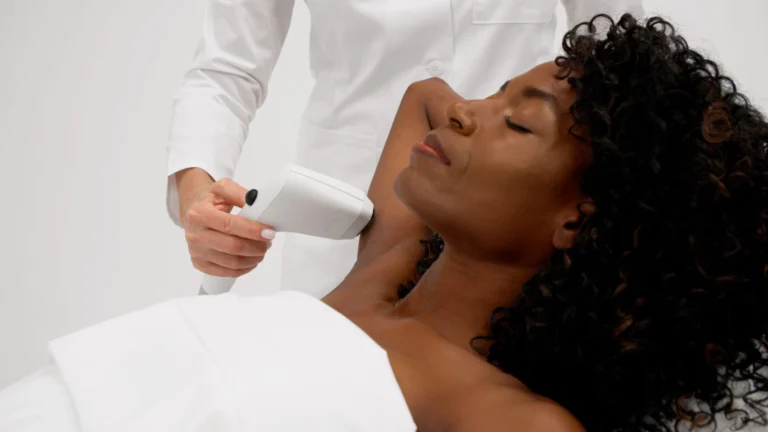
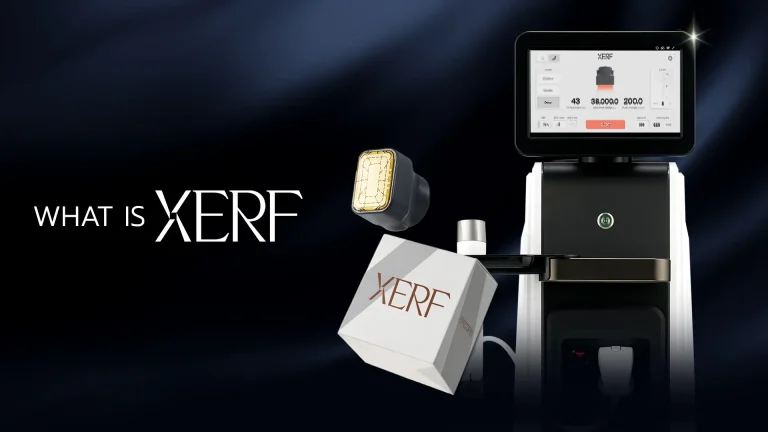
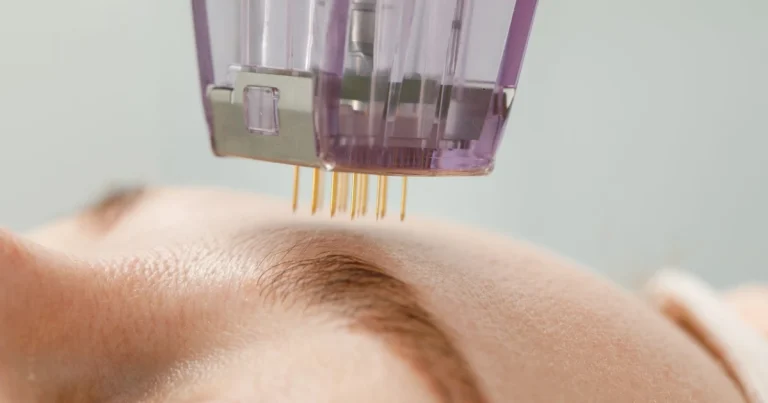
Device and treatment imagery illustrates the technologies, not an individual outcome or a recommendation for your skin.
| Treatment | How it works | Where it may fit | Key trade-offs |
|---|---|---|---|
| SofwaveParallel ultrasound · needle-free | Synchronous Ultrasound Parallel Beam (SUPERB) technology heats the dermis at approximately 1.5 mm, with surface cooling. | Selected firmness and fine-line concerns where dermal remodelling is the goal. It is not the same as deeper focused ultrasound. | Pain, tenderness, redness or swelling may occur. Pigment change and skin injury are possible. Results develop gradually and vary. |
| Ultherapy PRIMEMicrofocused ultrasound with visualisation · needle-free | MFU-V uses real-time imaging to assess tissues and plan energy delivery at selected depths, commonly 1.5, 3.0 and 4.5 mm. | Selected facial, brow, under-chin and neck laxity, after assessment of anatomy and permitted treatment areas. | Treatment discomfort, tenderness, swelling and sensory changes can occur. Burns, nerve effects and unwanted volume or contour change have also been reported. |
| XERFDual-frequency monopolar RF · needle-free | Uses 6.78 MHz and 2 MHz radiofrequency, with cooling and impedance feedback to manage energy delivery. | Assessment-led treatment of skin firmness where external RF is appropriate. Different frequencies are a technical distinction, not proof of better lifting. | Heat, tenderness, redness and swelling are possible; burns and unwanted tissue effects remain risks. Long-term comparative evidence is still developing. |
| Thermage FLXMonopolar RF · needle-free | Delivers radiofrequency through the skin surface, with AccuREP energy calibration, cooling and vibration. | Selected firmness and wrinkle concerns. Face, eye-region and body applications require the appropriate tip, local indication and clinical assessment. | Discomfort, redness and swelling can occur; burns, scarring, sensory or contour changes are possible. Electrical implants require specific screening. |
| Morpheus8Fractional RF microneedling · minimally invasive | Fine needles deliver bipolar radiofrequency within the skin. Treatment depth depends on the applicator, area and device model. | A combination of texture, acne scarring and selected laxity concerns. It is not interchangeable with surface-delivered RF. | Redness, swelling, pinpoint marks and crusting may occur. Serious RF microneedling risks include burns, scarring, fat loss and nerve injury; see the safety section. |
HIFU and ULTRAcel Q+
High-intensity focused ultrasound is a technology category, not one standard treatment. Devices differ in imaging, cartridges and intended use. Compare our HIFU overview and ULTRAcel Q+ guide. A fat-targeting application should not be confused with skin firming, particularly in a lean face.
Need a closer comparison?
Use our dedicated XERF, Ultherapy PRIME and Sofwave comparison, or the Thermage FLX versus Ultherapy PRIME guide. These explain differences in more detail without assuming one device is right for everyone.
Device descriptions summarise the underlying technologies. Australian indications, the exact model, treatment area and clinic availability must be confirmed during consultation. International clearance does not establish Australian approval for every use.
A clearer plan for your skin
You do not need to choose a device before contacting us. Tell us what you have noticed and what you would like to understand. A consultation helps turn a long list of treatments into a discussion about your options.
Understand the cause
Discuss whether skin laxity, texture, volume or deeper support is contributing to your concern, and why that matters when choosing treatment.
Compare the trade-offs
Ask about the likely degree of improvement, discomfort, visible recovery and material risks of each suitable option.
Plan with the full cost in mind
Clarify the treatment area, proposed sessions, fees and follow-up before deciding whether to proceed. Take time to consider the recommendation.
Consultations in Chatswood and Hurstville. Confirm the clinician, fee and device availability with the team.
Skin quality, laser treatments and thread lifts
Tightening, improving texture and repositioning tissue are different aims. A combined plan is only useful when each part has a clear purpose. More procedures do not necessarily produce a better result.
Rejuran and skin quality
Rejuran is a polynucleotide treatment discussed for selected skin-quality concerns such as fine texture and crepiness. It does not replace lost facial volume or mechanically lift substantial jowling. Published polynucleotide studies are promising but relatively small and varied.
Temporary bumps, bruising, redness and swelling can occur; infection and other injection-related complications are possible. Suitability, product choice and treatment area need individual review.
When volume or skin support is the concern
A face can look less firm because its underlying support has changed, even when the skin itself is not markedly loose. A medical consultation can assess facial structure, skin quality and previous procedures, then discuss suitable care, alternatives and material risks.
Skin quality, volume and tissue descent should not be treated as interchangeable problems. No treatment is also a valid choice.
Fotona 4D, SmoothEye and resurfacing
Fotona 4D uses Er:YAG and Nd:YAG laser modes in a staged facial protocol. SmoothEye addresses selected periocular skin concerns with an Er:YAG-based approach; eye protection and suitability are essential.
When scarring or surface texture dominates, explore our RF microneedling versus fractional laser comparison. Laser recovery varies; pigment change, infection, burns and scarring are possible.
How is a thread lift different?
Suspension threads are placed beneath the skin to support or reposition selected tissues. This is different from applying heat through the skin surface. Thread design and material matter; smooth threads and suspension threads are not interchangeable.
Risks include bruising, swelling, asymmetry, dimpling, palpable or visible threads, infection and extrusion. Durability is variable, and revision or removal may be needed. A thread lift is not equivalent to a surgical facelift.
Non-surgical face lift results: what can you expect?
Non-surgical tightening generally aims for a modest, gradual change—not the amount of repositioning achieved with surgery. Improvement is usually assessed over weeks to months. Early swelling is not a reliable measure of the final result.
A systematic review of microfocused ultrasound found improvement in selected patients, but studies differed in methods and reported outcomes. Its findings cannot establish that every ultrasound device, or a newer model, produces the same result.
A small prospective Sofwave study also reported improvement, but its uncontrolled design limits conclusions. There is no robust evidence here establishing one winner across Sofwave, Ultherapy PRIME, XERF, Thermage FLX and Morpheus8 for every face.
Recovery, side effects and important risks
Needle-free does not mean risk-free. Your clinician should explain common effects, serious complications, alternatives and aftercare for the exact procedure being considered.
Ultrasound and external RF
Visible recovery may be limited, but pain, tenderness, redness, swelling and sensory changes can occur. Burns, pigment change, scarring, nerve effects and unwanted contour or volume change are possible with some technologies.
Read our ultrasound and RF aftercare guide; your individual instructions take priority.
RF microneedling
Needle entry adds surface healing, which may include redness, swelling, marks and crusting. The FDA's October 2025 safety communication reports serious complications with certain RF microneedling uses, including burns, scars, fat loss, disfigurement and nerve damage.
This is a category-wide warning, not a Morpheus8-specific recall. Ask about training, the proposed area and RF microneedling recovery.
What to disclose
Tell your clinician about pregnancy or breastfeeding, medicines, active skin disease, infections, healing or scarring problems, implants, altered sensation and all previous cosmetic procedures. Device-specific restrictions differ.
Do not stop prescribed medicines without advice from your prescribing clinician. A medical history may lead to deferring treatment or choosing another approach.
Non-surgical face lift and skin tightening costs in Sydney
The cost of a non-surgical face lift depends on what your plan includes. Treating a small area of laxity differs from a face-and-neck plan or a course addressing both firmness and texture. Device choice, treatment area, number of sessions and follow-up all affect the total. Ask for an itemised quotation after assessment.
We’ll explain the full treatment plan, including review and any proposed maintenance, so you can compare your options and understand the total cost before you decide.
- Assess the concernDiscuss what you notice, medical history, anatomy, skin quality and previous treatment.
- Compare suitable choicesConsider expected improvement, evidence, material risks, no treatment and surgical referral where appropriate.
- Agree on the planClarify the area, recovery, timing, total quote and who to contact with a concern. You can take time to decide.
- Review the responseAssess after an appropriate interval before adding another procedure or repeating treatment.
Non-surgical face lift and skin tightening FAQs
Does a non-surgical face lift work like a surgical facelift?
No. Non-surgical skin tightening may improve selected mild-to-moderate laxity through gradual tissue remodelling. It cannot remove significant excess skin or reproduce surgical repositioning. How much change is realistic depends on your anatomy, the treatment and your individual response; some people see little improvement.
How much does a non-surgical face lift cost?
Your treatment cost depends on the device or procedure, the area treated, the number of sessions and follow-up. We’ll explain your options and treatment costs before you decide. Read our cost guide.
What is the best non-surgical face lift for sagging skin?
There is no single best treatment. The answer depends on the amount of laxity, facial volume, skin thickness, treatment area, health history and goals. Significant excess skin or tissue descent may respond poorly to non-surgical treatment and warrants discussion of surgical assessment.
Can skin tightening improve jowls and a loose neck?
It may improve selected mild-to-moderate laxity, but jowls and neck changes can also involve fat, muscle, volume and deeper support. Tightening cannot correct every cause or reproduce a surgical neck lift.
Is radiofrequency skin tightening the same as HIFU?
No. Radiofrequency uses electrical energy to create heat; HIFU uses focused ultrasound. RF microneedling also uses needles, unlike external RF. Sofwave uses a different, parallel ultrasound approach. These distinctions affect treatment planning, not just the name on the device.
Can I combine skin tightening with Rejuran or other procedures?
Sometimes, but only when there are distinct concerns to address and the combination is appropriate. Previous products, implants and treatment timing can affect suitability. Do not assume treatments can be performed together or directly over a previously treated area; the clinician must check the relevant instructions and risks.
How many sessions will I need, and when will I see a change?
Some devices may be planned as one treatment followed by review, while others may involve a course. Visible change usually develops over weeks to months, if a response occurs. Session numbers and review timing should be specific to your plan, not a universal package.
How long does a non-surgical face lift last?
There is no fixed duration that applies to every device or patient. The evidence varies by technology and follow-up period. Skin condition, ageing, weight changes and individual response matter. Further treatment should depend on review of the benefit and current suitability.
Does treatment hurt, and can I go straight back to work?
Heat, prickling, pressure or tenderness may occur. Recovery depends on the procedure and your response. Needle-free treatments often have less visible surface recovery than RF microneedling, but neither comfort nor immediate return to normal appearance can be guaranteed. Allow flexibility before an important event.
Can skin tightening cause facial fat loss?
Unwanted volume change is a recognised concern with some energy-based procedures. Device, depth, settings and anatomy matter, particularly in a lean or already hollow face. RF microneedling has been associated with reports of fat loss; some ultrasound device safety information also includes reported volume loss. Discuss this explicitly before treatment.
Will skin-tightening creams or collagen supplements lift loose skin?
Good skincare and sun protection support skin health, but are not equivalent to mechanically repositioning tissue or removing excess skin. Do not assume a product marketed for collagen will reproduce the effects of a procedure. Ask for evidence relevant to the particular product and the change you want.
Can I book in Chatswood or Hurstville?
MA360 has clinic locations in both suburbs. Contact the team to confirm where your assessment and any proposed treatment would take place, including availability of the specific device. Booking a consultation does not commit you to a procedure.
Meet Dr Chun-Yen Huang
Dr Chun-Yen Huang, MBBS, is a General Practitioner at Medical Aesthetics 360. Read his clinical background and qualifications when considering your consultation.
His MA360 profile describes clinical interests in laser medicine, pigmentation, facial rejuvenation and eyelid care, alongside professional education experience. These interests do not imply specialist registration in dermatology or plastic surgery.
Read the doctor's profile and professional background. You can independently check registration using the AHPRA practitioner register; search Chun-Yen Huang or MED0001187421.
Published by Medical Aesthetics 360, which provides consultations and treatment services discussed on this website. This is general information for adults, not an individual diagnosis or recommendation. To ask about the information or report a correction, contact MA360.
Medical references and safety information
Research findings apply to the products, populations and methods studied. Manufacturer sources explain their own devices and are not independent proof of superiority. International indications may differ from Australian indications.
- Microfocused ultrasound for facial skin tightening: systematic review—evidence and limitations across studies.
- Prospective synchronous parallel ultrasound study—small human study, not a head-to-head ranking.
- Sofwave safety information; Ultherapy instructions for use.
- Thermage FLX mechanism and safety information; XERF technical information.
- FDA RF microneedling safety communication, 15 October 2025.
- Polynucleotides in aesthetic medicine: systematic review—limited, heterogeneous clinical evidence.
- Thread-lift safety: systematic review—material complications and uncertainty about long-term outcomes.
Explore your options in Chatswood or Hurstville
Request a skin tightening or non-surgical face lift consultation at your preferred Sydney clinic. Include your main concern, previous treatment and any important dates in the enquiry. The team can confirm the appointment location and availability of the specific device before you travel.
Chatswood clinic
Suite 203, 38B Albert AvenueChatswood NSW 2067Chatswood clinic information and directions