Home » Our Technology » Fotona Laser

Fotona Laser

Sydney Fotona Laser Treatments | Fotona 4D, SmoothEye & LipLase | MA360
Medical Aesthetics 360 · Chatswood · Hurstville

Sydney Fotona Laser Treatments: From Fotona 4D to SmoothEye

Fotona is not a single treatment. It is a versatile dual-wavelength laser platform combining Er:YAG and Nd:YAG technologies. Depending on the mode selected, treatment may be tailored for facial firming, eye-area lines, lip texture, pores and scars, localised body contouring, or selected snoring concerns following appropriate assessment.

The right choice is not simply the most popular Fotona name. It depends on whether your concern sits at the skin surface, within deeper tissue, around delicate eye or lip areas, or within oral soft tissue. At MA360, we assess your skin condition, anatomy, acceptable downtime and desired level of improvement before recommending a focused treatment or a staged combination plan.

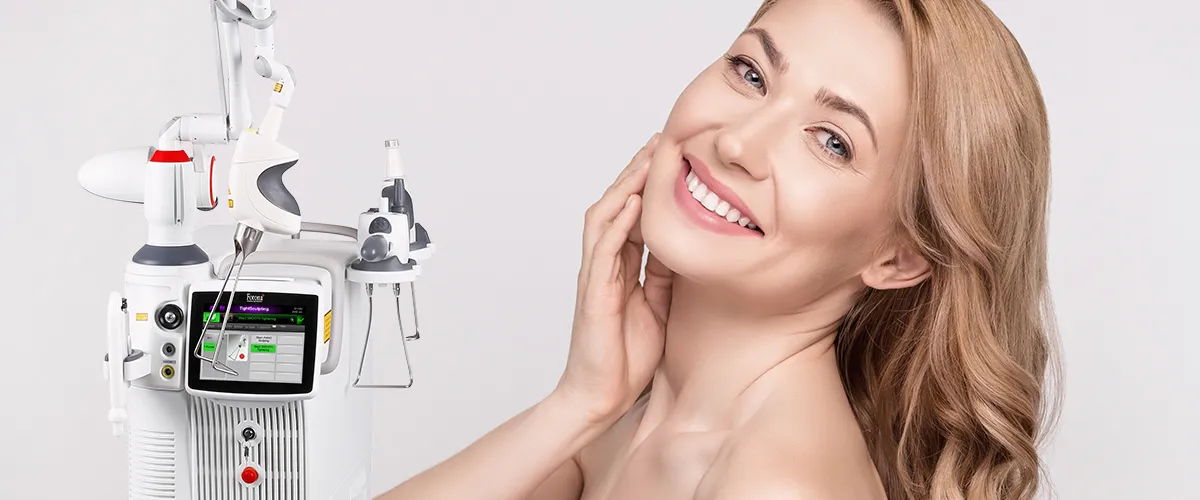
Fotona laser platform and facial rejuvenation treatment
Fotona’s dual wavelengths allow treatment modes to be selected around your specific goals.
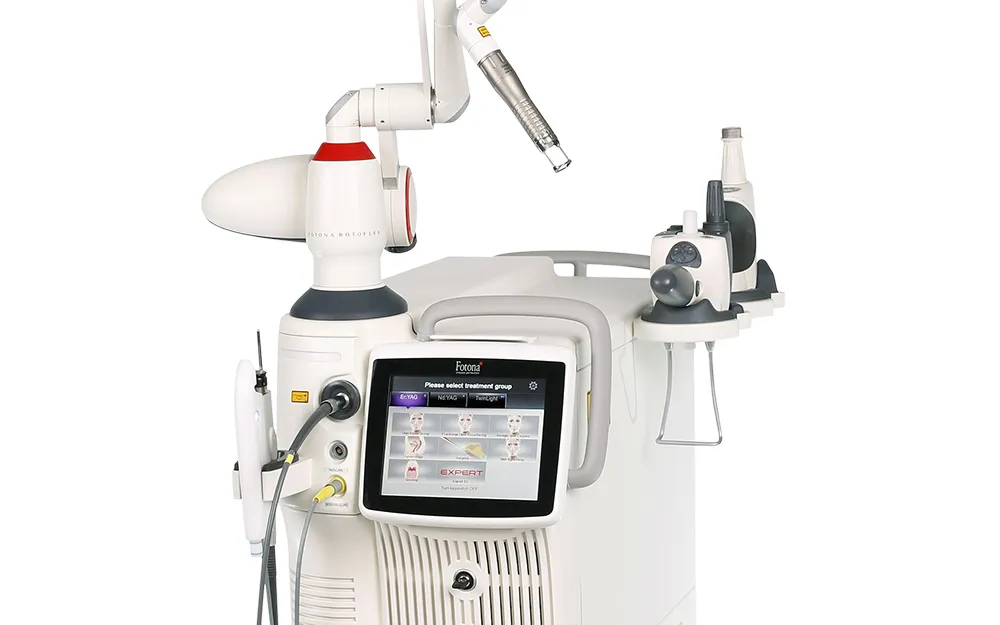
Fotona laser equipment at Medical Aesthetics 360
Treatment mode, depth and intensity are individually selected after assessment.
Two Complementary Wavelengths2940 nm Er:YAG and 1064 nm Nd:YAG
Treatment ScopeFace, eye and lip areas, skin texture, localised body concerns and snoring assessment
DowntimeFrom temporary redness to several days of peeling, depending on mode and intensity
Sydney ClinicsMedical Aesthetics 360 Chatswood and Hurstville
Start With the Real Concern

Similar-Looking Concerns May Need Completely Different Laser Plans

Skin laxity, volume loss, rough texture and under-eye bags can appear together, but they are not the same problem. Treating every visible change as simply a lack of collagen can lead to an oversimplified plan. A careful assessment helps identify what laser can realistically improve and when another option may be more suitable.

Laxity and Facial Definition

Early softening of the jawline, lines around the mouth and reduced firmness may be considered for a multi-layered non-surgical plan. More significant excess skin usually requires a different level of treatment than laser can provide.

Pores, Texture and Scarring

Roughness, enlarged-looking pores and superficial scars often require careful control of resurfacing depth. Deeper depressed acne scars commonly benefit from a scar-specific combination approach rather than a single laser session.

Eye and Lip Areas

Delicate areas require dedicated settings and careful technique. Laser may improve skin quality, but it does not automatically correct prominent fat pads, skeletal support or significant volume loss.

Body and Sleep-Related Concerns

Localised body contouring and snoring are two separate treatment pathways. Their assessment criteria, realistic outcomes and safety considerations are different from facial rejuvenation.

Er:YAG: Surface-Focused With High Water Absorption

2940 nm Er:YAG energy is readily absorbed by water. It may be used for non-ablative heating, intraoral SMOOTH treatments or varying degrees of surface resurfacing. Downtime generally increases as the level of ablation becomes stronger.

Nd:YAG: Deeper Controlled Thermal Effect

1064 nm Nd:YAG can create controlled thermal effects at deeper levels and is used in modes such as FRAC3 and PIANO. A wavelength alone does not determine the result; settings, technique and patient suitability are equally important.

Six Fotona Treatment Pathways

How Do Fotona 4D, SmoothEye, LipLase and Other Options Differ?

Each Fotona treatment name represents a different area, mode combination and balance between potential improvement and downtime. This comparison helps clarify the options, while your final plan is selected after an in-person assessment.

Treatment Technology and Approach Commonly Considered For Downtime and Limitations
A four-step protocol combining Er:YAG and Nd:YAG through SMOOTH, FRAC3, PIANO and SupErficial modes, including both intraoral and external facial treatment.
Multiple early signs of ageing occurring together, such as mild laxity, lines around the mouth, visible pores, uneven texture and reduced lower-face definition.
Temporary redness, swelling, dryness or light peeling may occur. Improvements are generally gradual and refined; Fotona 4D does not replace surgical facelift procedures.
Uses non-ablative Er:YAG SMOOTH mode to create a controlled thermal effect around the eyes. Appropriate eye protection is essential throughout treatment.
Fine eye-area lines, crepey texture and mild skin laxity, particularly where skin quality is a greater concern than volume loss or prominent fat pads.
Redness, swelling or several days of light peeling may occur. SmoothEye does not remove under-eye fat and cannot replace eyelid surgery.
Uses Er:YAG SMOOTH mode inside and outside the lips. Selected plans may also incorporate Nd:YAG to support collagen remodelling around the lips and mouth.
Lip definition, surface smoothness, fine lines around the mouth and a subtle, natural-looking plumping effect.
Temporary swelling, dryness or sensitivity may occur. LipLase is not a filler and does not create the same predictable structural volume change.
Combines deeper Nd:YAG treatment with fractional Er:YAG resurfacing. Depth and intensity can be adjusted according to the skin concern and acceptable recovery period.
Rough texture, enlarged-looking pores, visible sun damage, selected superficial acne scars and concerns requiring more noticeable surface renewal.
Redness, swelling, dryness, peeling or crusting may last several days. Pigment changes, infection and scarring are less common but important risks.
Uses Nd:YAG PIANO mode for deeper heating, followed by Er:YAG SMOOTH mode to support surface skin tightening.
Selected localised body contouring concerns and mild skin laxity following assessment. It is not a whole-body weight-loss treatment.
Warmth, redness, swelling or tenderness may occur. TightSculpting does not replace liposuction, and the degree of contour change varies with the starting condition.
Uses non-ablative Er:YAG SMOOTH mode to heat selected soft-palate and oropharyngeal tissue, with the aim of reducing tissue vibration in suitable patients.
Primary snoring after appropriate screening, particularly when symptoms appear related to soft-tissue vibration.
Temporary throat dryness, sensitivity or mild discomfort may occur. NightLase must not delay sleep-apnoea diagnosis and does not replace CPAP or specialist care.
Choose by Your Main Goal

A Full-Face Protocol Is Not Always Better Than a Focused Treatment

When the concern is limited to the eye area, lips or surface texture, a focused Fotona treatment may be more precise than automatically choosing a full Fotona 4D protocol. Multi-mode or staged care becomes more relevant when several concerns are present together.

Comprehensive Facial Rejuvenation

Fotona 4D combines intraoral treatment, deeper thermal modes and surface renewal within one protocol. It is most relevant for people seeking a coordinated approach to several mild-to-moderate concerns rather than one isolated correction.

Refined Eye or Lip Rejuvenation

SmoothEye and LipLase focus on smaller, highly mobile areas. Their effects are typically subtle and progressive. Structural under-eye bags, deep tear troughs or a desire for significant lip volume require comparison with other treatment options.

Pores, Scars and Surface Renewal

TwinLight places greater emphasis on texture and resurfacing. As intensity increases, downtime and pigment risk usually increase as well. Skin tone, sun exposure, scar type and aftercare all influence the treatment plan.

Body Contouring: Is the Main Concern Fat or Laxity?

TightSculpting may address selected localised contour and skin-firmness goals, but it is not a weight-loss treatment. Fat thickness, muscle, skin elasticity and the treatment area all influence whether it is a worthwhile option.

Snoring: Rule Out More Important Sleep Concerns First

NightLase requires a different assessment pathway from cosmetic laser treatment. If a partner notices pauses in breathing or choking during sleep, or if you experience morning headaches or daytime sleepiness, medical or sleep-specialist assessment should come first.

Evidence and Realistic Expectations

Current Evidence Supports Gradual Improvement, Not Exaggerated Promises

The volume and quality of evidence differ across Fotona treatments. Studies are often small, use varying protocols and may rely partly on photographic grading or patient-reported outcomes. Results and longevity therefore cannot be guaranteed to be the same for every patient.

A realistic goal is gradual improvement in skin texture, fine lines, visible pores or mild firmness. Significant volume loss, deeper scarring, prominent under-eye bags or substantial excess skin usually require another treatment or a combination approach.

Recent Objective Imaging Research on Fotona 4D

A prospective observational study published in 2025 involved 13 women with lower-face ageing who received four dual-wavelength Er:YAG/Nd:YAG treatments. Three-dimensional imaging showed small positional changes around the lateral eye and mid-face, with improved nasolabial-fold and pore scores. The study was small and had no control group, so the findings should be regarded as preliminary.

Read the PubMed Study Abstract
Comfort and Recovery

Downtime Depends on the Selected Mode, Not Simply the Fotona Name

The same platform can range from non-ablative heating to more visible Er:YAG resurfacing. Before treatment, you should understand how long redness may last, when makeup may be resumed, how to protect your skin from the sun and which reactions should prompt contact with the clinic.

Non-Ablative Modes

Warmth, redness, mild swelling or tenderness may occur, with a relatively quick return to normal activities for many patients. SmoothEye, LipLase and NightLase can still cause temporary dryness or sensitivity depending on the area treated.

Multi-Mode Facial Treatment

Comfort and recovery after Fotona 4D are influenced by the intensity of the final surface step. Redness, dryness, tightness or light peeling may occur. Collagen-related changes develop progressively rather than being completed on the day of treatment.

Fractional Resurfacing

TwinLight or stronger Er:YAG settings may involve several days of visible recovery, including redness, swelling, dryness, peeling or fine crusting. Careful aftercare and sun protection are particularly important in reducing pigment-related risk.

Safety Screening

Low Downtime Does Not Mean Zero Risk

  • Active infection, open wounds or significant inflammation in the treatment area usually need to be addressed before laser treatment.
  • A history of cold sores, post-inflammatory pigmentation, abnormal scarring or recent cosmetic treatment should be discussed during assessment.
  • Medication, pregnancy or breastfeeding, chronic medical conditions and a history of photosensitivity may affect treatment timing or suitability.
  • All eye-area laser treatment requires appropriate eye protection. Intraoral treatment also requires consideration of the oral mucosa and relevant dental concerns.

Risks to Understand Before Providing Consent

Common temporary reactions include redness, swelling, warmth, dryness, sensitivity, peeling and tenderness. Less common but important risks include blistering, burns, infection, cold-sore reactivation, persistent darkening or lightening of pigment, scarring, limited improvement or uneven response.

Darker skin tones are not automatically unsuitable, but they may require more conservative settings, testing, strict sun protection and closer post-treatment monitoring. Treatment intensity should be balanced against acceptable downtime and pigment risk.

Your Fotona Plan at MA360

We Start With Your Concern, Anatomy and Skin Type — Not a Preselected Package

A tired appearance may result from fine lines, volume loss, under-eye bags or pigmentation. Identifying the dominant cause first allows treatment to focus on what can genuinely be improved.

01 · Assess

Identify the Main Concern

We assess the treatment area, skin type, medical history, previous procedures, pigment risk and the concerns you most want to improve.

02 · Match

Select the Right Mode and Intensity

We explain why Fotona 4D, a focused treatment, resurfacing or another option may suit you, as well as which concerns Fotona is unlikely to correct.

03 · Treat

Protection and Comfort Planning

Appropriate protection is used for the treatment area, skin response is monitored and comfort measures and aftercare are matched to the selected mode.

04 · Review

Adjust According to Your Response

We review improvement and recovery at the appropriate time, then decide whether another session, maintenance treatment or a different direction is most suitable.

Medical Aesthetics 360 Sydney

Fotona Laser Consultations in Chatswood and Hurstville

MA360 provides Sydney patients with personalised assessment for facial, eye-area, lip, resurfacing and selected Fotona treatments. Your consultation brings together your goals, treatment limitations, expected visible recovery, risks and alternative options so you can make a clear and informed decision.

ChatswoodServing Sydney’s North Shore and surrounding suburbs
HurstvilleServing southern Sydney and surrounding suburbs
Frequently Asked Questions

Sydney Fotona Laser Treatment FAQs

Is Fotona One Laser Treatment or a Range of Treatments?

Fotona is a laser platform brand. Different treatments use 2940 nm Er:YAG, 1064 nm Nd:YAG or a combination of both, with different modes, depths and intensities selected for different concerns. The treatment names are therefore not interchangeable.

Which Fotona Treatment May Suit Overall Facial Ageing?

Fotona 4D may be considered when concerns such as mild laxity, lines around the mouth, visible pores and uneven texture occur together. When the main concern is surface roughness, pores or scarring, TwinLight may be more closely aligned with the goal.

Can Fotona 4D Replace Facelift Surgery?

No. Fotona 4D may provide gradual, refined improvement in firmness and skin quality for suitable patients, but it cannot remove excess skin or reproduce the degree of change possible with facelift surgery.

Can SmoothEye Remove Under-Eye Bags?

SmoothEye primarily addresses fine lines, crepey texture and mild laxity around the eyes. Under-eye bags caused by prominent fat, tear troughs, pigmentation or visible vessels require a different assessment and may not respond adequately to laser alone.

Is LipLase the Same as Lip Filler?

No. LipLase uses laser-generated heat to support collagen remodelling in and around the lips. The usual goals are smoother texture, improved lip definition and subtle fullness. It does not provide the predictable structural volume associated with filler.

Can TwinLight Improve Pores and Acne Scars?

TwinLight may be included in treatment plans for visible pores, rough texture and selected superficial scars. Scar type and depth influence the outcome, and deeper depressed scars commonly require combination treatment.

Is TightSculpting a Weight-Loss Treatment?

No. TightSculpting may be considered for selected localised contour and skin-firming goals. It does not replace weight management or liposuction, and results are influenced by fat thickness, skin elasticity and lifestyle factors.

Can NightLase Treat Sleep Apnoea?

NightLase may be assessed for selected people with primary snoring, but it does not replace the diagnosis or standard treatment of obstructive sleep apnoea. Choking, pauses in breathing, morning headaches or daytime sleepiness require medical and sleep assessment first.

Are Fotona Laser Treatments Painful?

Sensation varies by treatment area, mode and intensity and may include warmth, prickling heat or short periods of discomfort. Resurfacing treatments are generally more noticeable than lower-intensity non-ablative modes. Comfort planning is discussed before treatment.

How Much Downtime Is Expected After Fotona?

Non-ablative treatments often cause only temporary redness or swelling. Stronger Er:YAG resurfacing may involve several days of redness, dryness, peeling or crusting. Actual downtime depends on the settings used and your skin response.

How Many Fotona Sessions Are Usually Needed?

There is no fixed number that suits everyone. Some plans involve a course of treatments, with timing and total sessions based on the treatment type, starting condition, response and goals.

Can Asian or Deeper Skin Tones Have Fotona Treatment?

Selected Fotona modes may be used across different skin tones. Deeper skin tones or a history of post-inflammatory pigmentation require more cautious settings, careful sun management and appropriate aftercare, particularly for resurfacing treatments.

How Long Can Fotona Results Last?

Longevity varies according to the treatment, age, skin condition, sun exposure and lifestyle. Collagen remodelling generally develops progressively, while natural ageing continues. Some patients consider maintenance treatment over time.