

Muscle shape
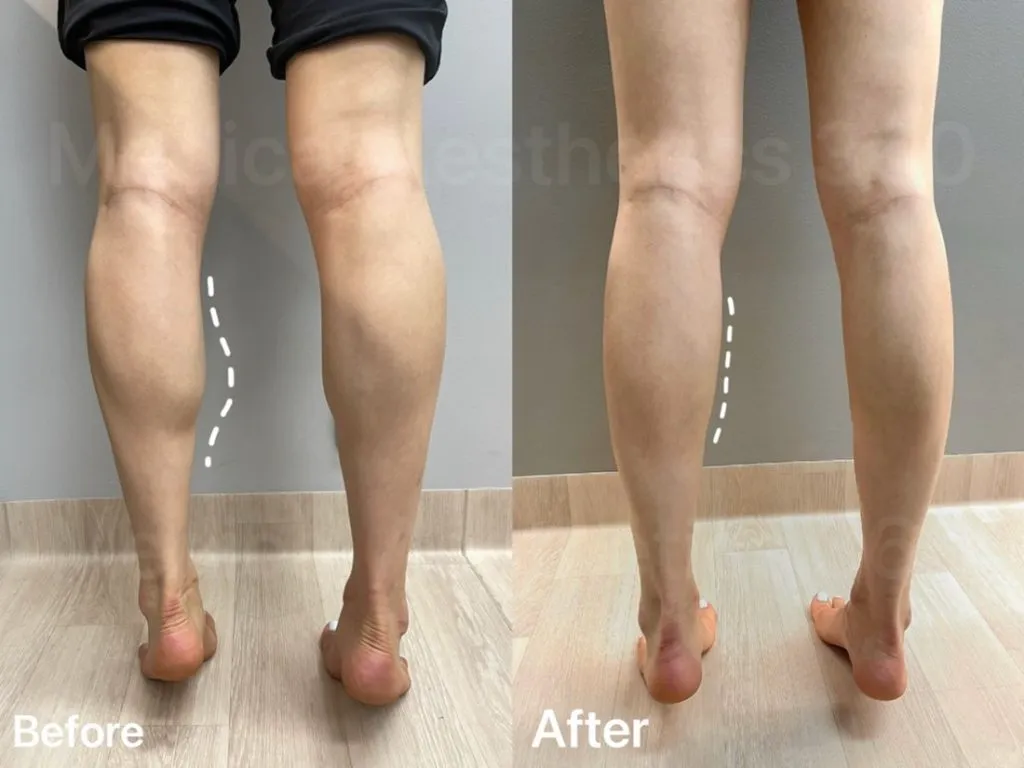
A naturally prominent or well-trained gastrocnemius can create a strong curved profile even at a stable, healthy weight.
Calves can look prominent because of muscle shape, soft-tissue fullness, fluid, skin or simply natural lower-leg proportions. A useful consultation identifies what is creating the contour before discussing whether any cosmetic treatment makes sense.
 Read the related calf contour patient journey
The consultation considers muscle activity and symmetry alongside gait, exercise, previous procedures and health history. When the concern is not primarily muscular, a fat-focused, skin-focused or medical pathway may be more appropriate.
Call 1300 338 307The gastrocnemius creates much of the visible curve at the back of the lower leg. Its size is influenced by genetics, sport, walking pattern and daily loading. The deeper soleus muscle, subcutaneous fat, skin quality, bone structure and ankle-to-knee proportions also shape what you see.
A calf may remain prominent after weight loss when muscle architecture is the main contributor. In another person, the same silhouette may reflect soft-tissue fullness or swelling. Treating these as though they were interchangeable can produce little benefit or compromise a contour that was already functional and proportionate.
Assessment is usually made from behind, from the side and during muscle contraction. Both legs should be compared, with attention to previous injuries, strength, sensation, circulation, gait and the activities that matter to you.
The lower leg cannot be assessed accurately from one photograph or a tape measure alone. The dominant contributor may differ between the inner and outer calf, and between the two legs.
A naturally prominent or well-trained gastrocnemius can create a strong curved profile even at a stable, healthy weight.
Subcutaneous fat may contribute to circumference and can extend around the calf, ankle or knee rather than following one muscle head.
Fluid can change leg size through the day. Persistent, sudden or asymmetric swelling requires medical assessment, not contour treatment.
Bone structure, leg length, ankle width and skin laxity affect whether the calf reads as tapered, straight or visually heavy.
A sound recommendation fits the contributing tissue and protects function. Sometimes that means a staged cosmetic plan; sometimes it means choosing a different service or not treating the calf.
When selected muscle prominence is the main concern, the consultation weighs the desired visual change against walking, running, balance, strength and occupation. Suitable medical options and their risks are discussed privately.
A muscle-focused plan will not address a mainly fatty layer. Body composition, pinch thickness, treatment area and expectations help determine whether non-surgical contouring is relevant.
Explore MA360 fat-reduction consultationsLoose or crepey skin can make the lower leg look less defined even when muscle and fat are not excessive. A skin-focused approach has different goals and limitations.
Read about body skin-tightening optionsIn some people, the visual concern relates to the thigh, knee, ankle or a combination of tissue layers. Broader body-contour planning may be more coherent than isolating the calf.
Explore TightSculpting body contouringCalf contour changes are usually subtle and gradual. Genetics, starting anatomy and the need to preserve useful muscle function limit how much change is sensible.
The gastrocnemius is not simply a visible contour. Together with the soleus and Achilles tendon, it contributes to ankle movement, posture and forward propulsion. This makes function part of cosmetic decision-making.
Published aesthetic calf-contouring studies include small cohorts and method-specific trials. They can describe average changes and reported adverse effects, but they do not establish that one option is suitable for every calf shape or activity level.
A current anatomy review describes the gastrocnemius as a two-joint muscle involved in ankle plantarflexion, knee flexion, gait, posture and propulsion. That functional role is why MA360 assessment includes movement, strength and lifestyle rather than contour alone.
Read the PubMed anatomy reviewYou should understand the likely benefit, functional considerations, alternatives, recovery and material risks before deciding whether to proceed.
Your goals, health history, medicines, previous injury, sport, occupation and any pain or swelling are reviewed first.
Both calves are assessed at rest and during contraction, with attention to muscle pattern, soft tissue, symmetry, strength and gait.
The clinician explains whether the concern is muscle-, fat-, skin- or medically focused, including the option of no cosmetic treatment.
If you proceed, photography and consistent measurements can support review. Further treatment is considered only after the response is assessed.
Some pathways involve shorter appointments and gradual change with limited interruption. The actual experience depends on the selected option and should not be treated as a universal guarantee.
Some in-clinic procedures take little time, but assessment, consent, photography and aftercare add to the appointment. Complex concerns may need a separate planning visit.
Depending on the pathway, temporary soreness, redness, bruising, swelling, tightness, altered sensation or weakness may occur. Activity advice is personalised.
Some contour effects appear progressively over weeks and may continue to evolve. Timing, degree of change and duration cannot be guaranteed.
Calf strength matters for standing, balance, stairs, walking, running and many occupations. A suitable plan should account for sporting demands, previous Achilles or knee problems, neurological symptoms and any existing weakness.
Age, pregnancy or breastfeeding, medicines and relevant muscular, neurological, vascular, bleeding, skin or general medical conditions can make a cosmetic pathway inappropriate. The specific contraindications and adverse effects depend on the proposed option.
MA360 assesses the visible contour and the function behind it before recommending a pathway. Patients receive an explanation of suitability, alternatives, expected progression, recovery, risks and fees before making a decision.
Use these pages to compare neighbouring body concerns, view patient journeys and learn more about the MA360 clinicians and Sydney locations. Each destination is listed once.
This page provides general information about consultations for calf and lower-leg contour concerns. It does not advertise or recommend a prescription medicine and does not replace individual medical assessment. Suitability, recovery and outcomes vary, and all procedures carry risks.