


Improvement is gradual
Early smoothness can appear as the skin heals, but collagen remodelling develops over subsequent months. Scars are softened rather than erased.
Fractional ablative resurfacing in Sydney
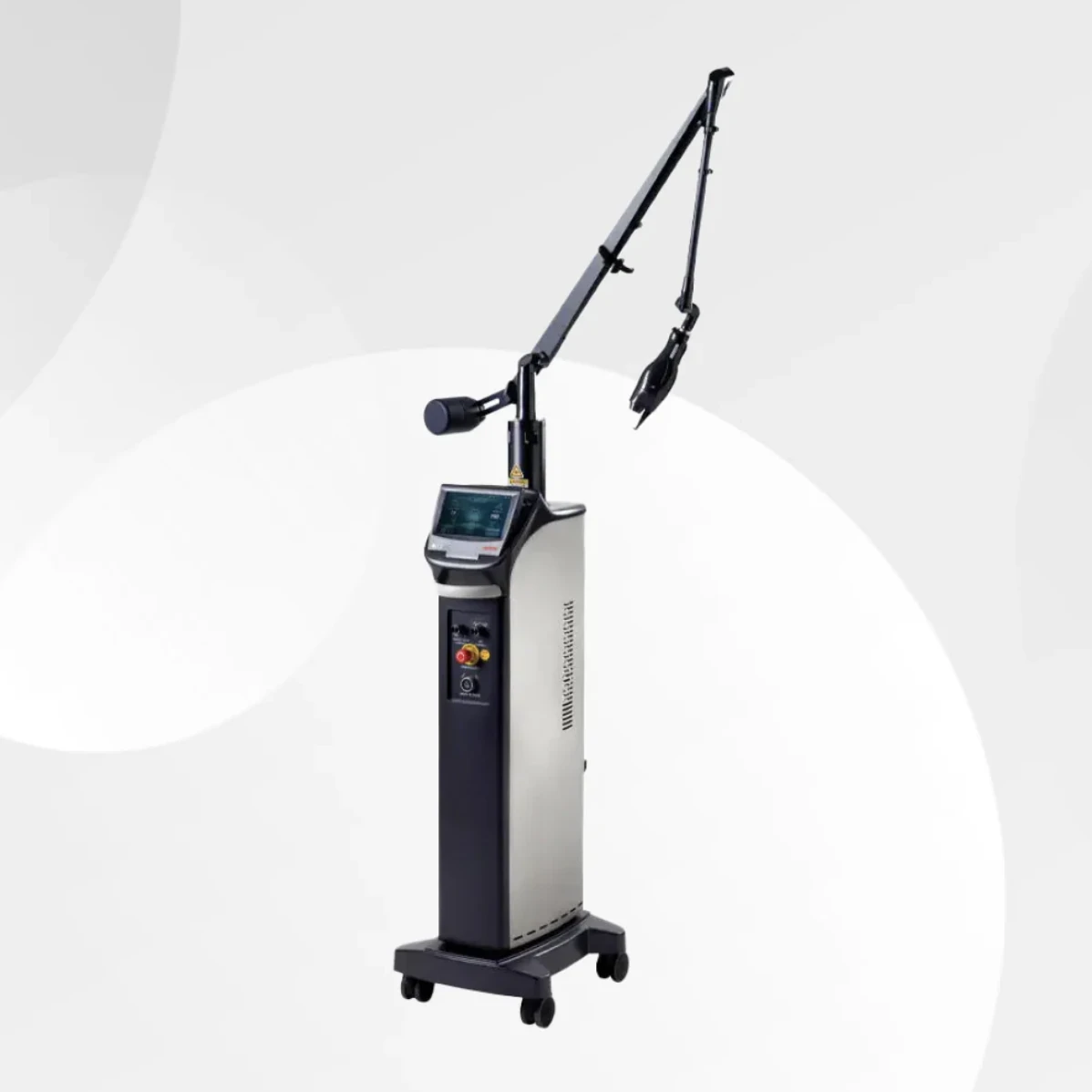
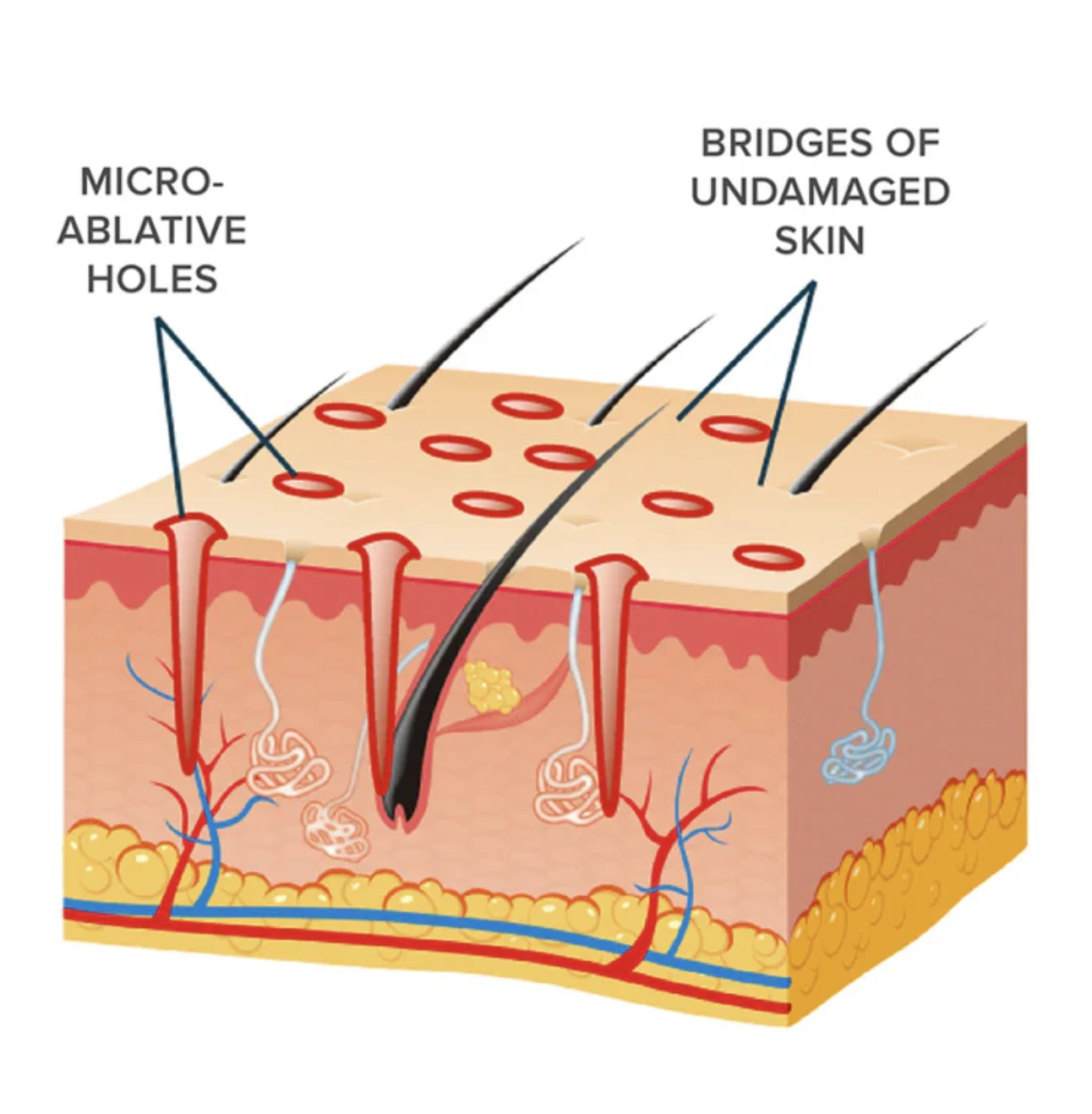
At Medical Aesthetics 360 in Sydney, eCO2 fractional carbon dioxide (CO2) laser resurfacing may be considered for selected acne scars, uneven skin texture and fine lines. Consultations are available through our Chatswood and Hurstville clinics. By treating microscopic columns rather than the entire surface at once, it can address pitted acne scars, coarse texture, enlarged-looking pores and etched lines while leaving bridges of surrounding skin to support healing.
Fractional CO2 is an ablative treatment that creates tiny wounds in the skin and requires a visible recovery period. At Medical Aesthetics 360, the decision to use eCO2 begins with the concern itself: scar shape and depth, skin tone, pigmentation history, active acne, previous treatments and the amount of recovery you can realistically accommodate.

Treatment examples
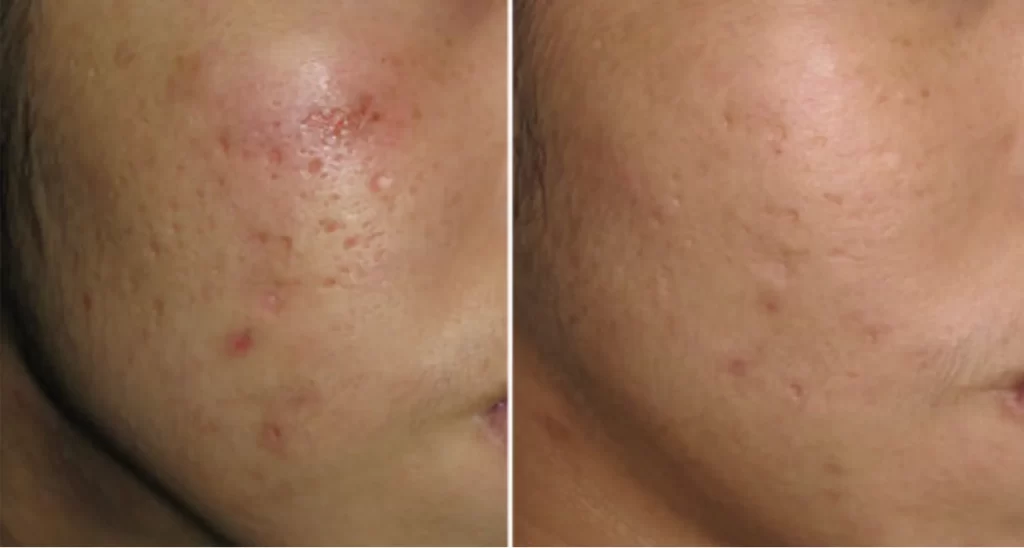
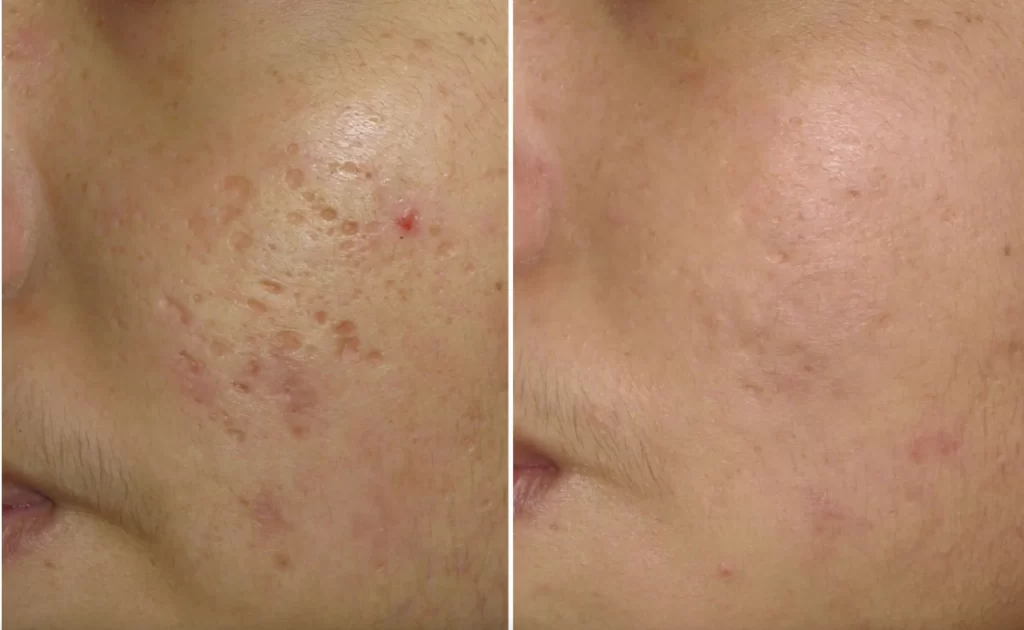
The first example below concerns fractional CO2 resurfacing. The other two show different treatments and are not CO2 laser results. These published clinic examples cannot predict your outcome or directly compare treatments across different patients. Session counts, treatment settings and photo timing are not specified on the linked pages.
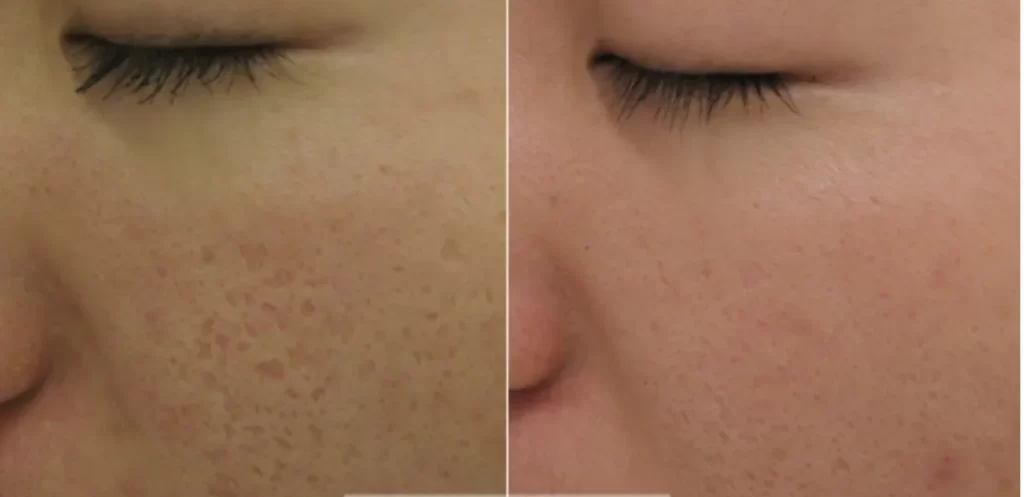
Read the published clinic summary of fractional CO2 treatment for a 28-year-old woman with mixed pitted scarring.
Review an Erbium resurfacing pathway selected for a 32-year-old man with uneven texture and mixed scar patterns.
Read how a radiofrequency microneedling approach was used for a 35-year-old man with a different scar profile.
How it works
CO2 laser energy is strongly absorbed by water in the skin. In fractional mode, the device forms a pattern of microscopic treatment columns. Within those columns, controlled ablation removes tiny areas of tissue while heat in the surrounding zone initiates repair and collagen remodelling.
The clinician can adjust factors such as depth, density, energy and the number of passes. A lighter treatment may focus on surface texture with a shorter recovery, while deeper scar work can involve more swelling, crusting and redness. Stronger settings are not automatically better: the useful setting is the one that balances the target with the skin's capacity to heal safely.
What the evidence says
A 2024 systematic review and meta-analysis indexed on PubMed compared fractional CO2 and Er:YAG lasers for atrophic acne scars across eight studies involving 418 participants. The pooled analysis reported greater scar improvement, higher pain scores and longer-lasting redness with CO2. It also reported shorter downtime for CO2 in the included studies, so redness duration and downtime should not be treated as the same measure. Findings across devices and protocols do not establish the best treatment for an individual or guarantee results with eCO2.
Early smoothness can appear as the skin heals, but collagen remodelling develops over subsequent months. Scars are softened rather than erased.
Rolling scars may need release beneath the skin, while narrow ice-pick scars often benefit from focal techniques before or alongside resurfacing.
A history of post-inflammatory hyperpigmentation, melasma, cold sores or slow healing can change preparation, settings and treatment choice.
Acne scar assessment
Acne scarring can combine depressions, tethering, enlarged-looking pores, redness and pigment change. Treating every mark with the same laser setting can miss the structure causing the shadow.
Suitability
Active inflammatory acne is usually stabilised before scar resurfacing. People who cannot accommodate wound care or strict sun avoidance may prefer a staged, lower-downtime treatment. Melasma and pigment-prone skin need particular caution because heat and inflammation can worsen discolouration.
Darker skin tones, particularly Fitzpatrick types V and VI, have a higher risk of pigment changes after ablative resurfacing. CO2 laser may be unsuitable, and assessment by a clinician experienced in treating skin of colour is essential. Where the risk outweighs the likely benefit, Er:YAG resurfacing, non-ablative fractional laser, RF microneedling or focal scar procedures may be discussed instead.
Treatment comparison
Names such as CO2, eCO2, Erbium and fractional laser are often used interchangeably online. They describe different treatment categories and tissue effects.
| Option | How it works | Often considered for | Planning point |
|---|---|---|---|
| Traditional full-field CO2 | Removes the treated surface continuously rather than in a fractional pattern. | Advanced photoageing and deeper resurfacing in carefully selected skin. | Usually carries more wound care, recovery and pigment risk. |
| eCO2 fractional CO2 | Creates adjustable microscopic ablative columns with untreated bridges between them. | Pitted scars, coarse texture, pores and selected lines. | Depth and density can be tailored; visible healing remains expected. |
| Fractional Er:YAG | An ablative Erbium wavelength with a different water absorption and thermal profile. | Precision resurfacing and selected scars or texture concerns. | May involve less persistent redness than CO2, but is not automatically the better choice. |
| Non-ablative fractional laser | Heats microscopic columns without removing the surface in the same way. | Milder texture, pigment and gradual skin-quality plans. | Typically less recovery, often with a series of sessions. |
| RF microneedling | Delivers radiofrequency energy through insulated or non-insulated microneedles. | Mixed scars, pores, texture and skin laxity. | Works at different tissue depths and has its own pigment, burn and scarring risks. |
Your treatment course
The exact protocol depends on treatment depth, medical history and the area being treated. The following is a practical overview rather than a fixed schedule.
Scar pattern, skin type, pigment history and medicines are reviewed. Avoid tanning and disclose cold sores, previous isotretinoin, abnormal scarring, recent procedures and any healing problems. Use only the skincare and antiviral preparation prescribed for you.
The skin is cleansed, appropriate eye protection is used and topical anaesthetic is commonly applied. Treatment can feel hot or prickly. Redness, warmth, swelling and pinpoint oozing can follow stronger settings.
Gentle cleansing, barrier support and strict sun protection are central to healing. Do not pick crusts or restart active skincare early. Contact the treating clinic promptly if redness, pain or discharge is increasing rather than settling; do not wait for a routine review.
Typical healing pattern
Many people allow roughly one to two weeks for visible healing after fractional ablative resurfacing, although a lighter or deeper treatment can sit outside that range. Pinkness may last longer than surface peeling. Follow your individual instructions and read our fractional CO2 laser aftercare guide.
Warmth, swelling, redness and tenderness are common. Pinpoint ooze or crusting can occur depending on intensity.
Bronzing, dryness and peeling develop as the surface renews. Let flaking release naturally and continue the advised barrier care.
The surface may be closed but remain pink and sensitive. Resume makeup or active products only when your clinician confirms it is appropriate.
Residual redness gradually fades and collagen-related changes continue. Further treatment is considered only after the response can be assessed.
Balanced information
Ablative laser creates a controlled wound. Understanding aftercare and having a clear route for review are part of treatment, not an optional extra.
Treatment planning
CO2 laser treatment costs depend on the area treated, the extent of scarring, treatment intensity and the number of sessions. MA360 confirms treatment pricing after consultation and assessment.
Ask for an itemised quote covering the proposed treatment, preparation, aftercare and follow-up, including any separate fees. Contact the clinic for current consultation and treatment fees.
Medical Aesthetics 360
Arrange a consultation through Medical Aesthetics 360 in Chatswood or Hurstville to discuss CO2 laser resurfacing, alternatives and recovery. Our team will confirm the practitioner and treatment location when booking.
Request a CO2 laser consultation or call 1300 338 307. Meet our clinical team.
Common questions
Continue exploring
Explore treatment pathways, technology comparisons, further clinical examples and MA360 clinic details.
Information is general and does not replace an individual medical assessment. Treatment suitability, settings, recovery and results vary. Hero and promotional portraits are illustrative. Case images are published clinic examples and are not a guarantee of outcome.