


Sciton BBL Sydney for Pigmentation, Sun Spots & Redness
Would you like a clearer, more even-looking complexion? Sciton BroadBand Light (BBL) may help soften the appearance of selected freckles, sun spots, blotchy redness and uneven tone. Discover whether this filtered intense pulsed light treatment could suit your skin.
At Medical Aesthetics 360, we start by listening to what you would like to improve. Your doctor-led assessment considers your pigment pattern, skin tone, recent sun exposure and tendency to darken after inflammation, so you can understand your options. BBL is not a laser and does not suit every brown mark or skin type.
Not sure where to start? Our pigmentation removal and treatment guide explains the wider options. Explore where Sciton BBL fits below, then bring your questions to us.
Doctor-led assessment in Chatswood and Hurstville · Meet the MA360 clinical team
See what a Sciton BBL visit can look like
Curious about the treatment? Watch this short clip from our clinic for a closer look at the Sciton BBL experience. It is a helpful way to get familiar with the setting before your consultation. Suitability and results are individual.
Tell us about the pigment or redness you would like to address. Together, we will explore whether BBL fits your goals, taking your skin tone, recent sun exposure and risk of pigment changes after inflammation into account. Your assessment may also point to another suitable option.
Take an 11-second look, then explore the suitability and safety details below at your own pace.
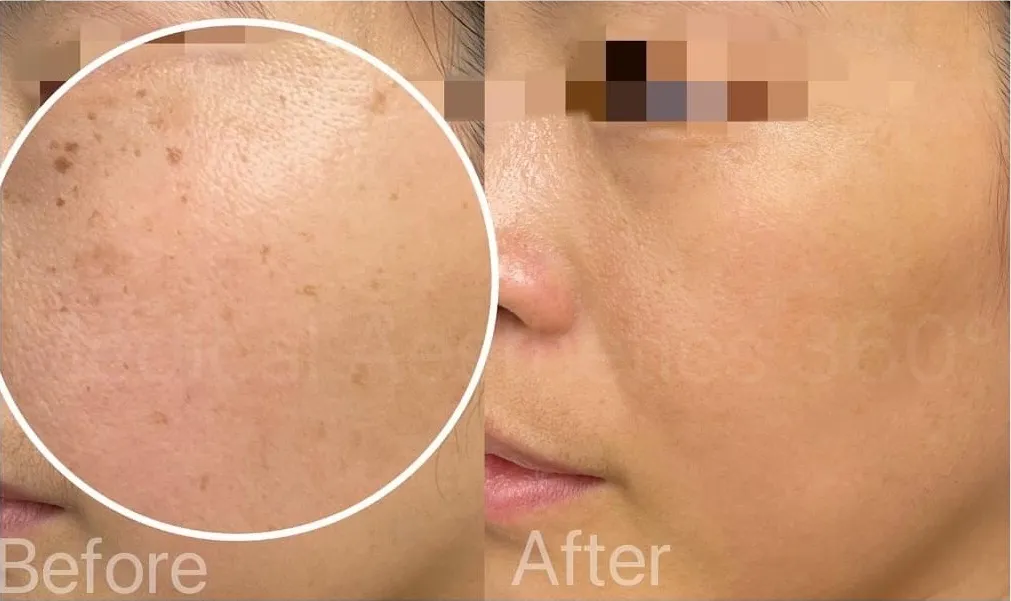
Sciton BBL before and after: explore MA360 cases
Wondering how BBL might fit into a skin treatment plan? Explore these MA360 cases involving freckles, redness and uneven tone. Each story explains the starting concern, the treatment approach and the individual's outcome, giving you useful questions to bring to your consultation.
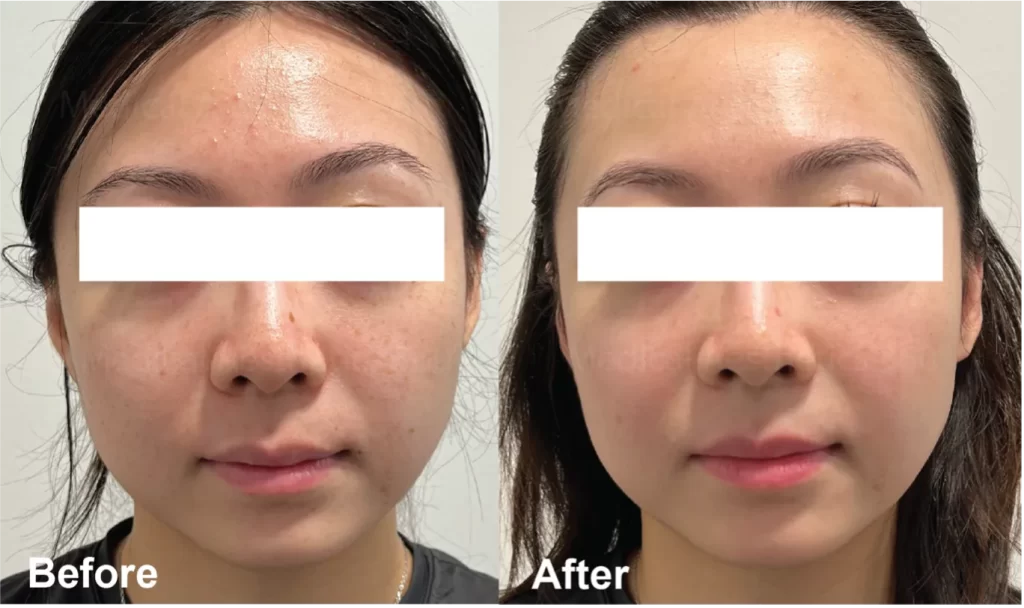
From freckles to a calmer complexion
Explore a measured BBL plan for surface pigment, sun spots and background redness, with a focus on a more even-looking complexion.
Explore the BBL freckles and redness case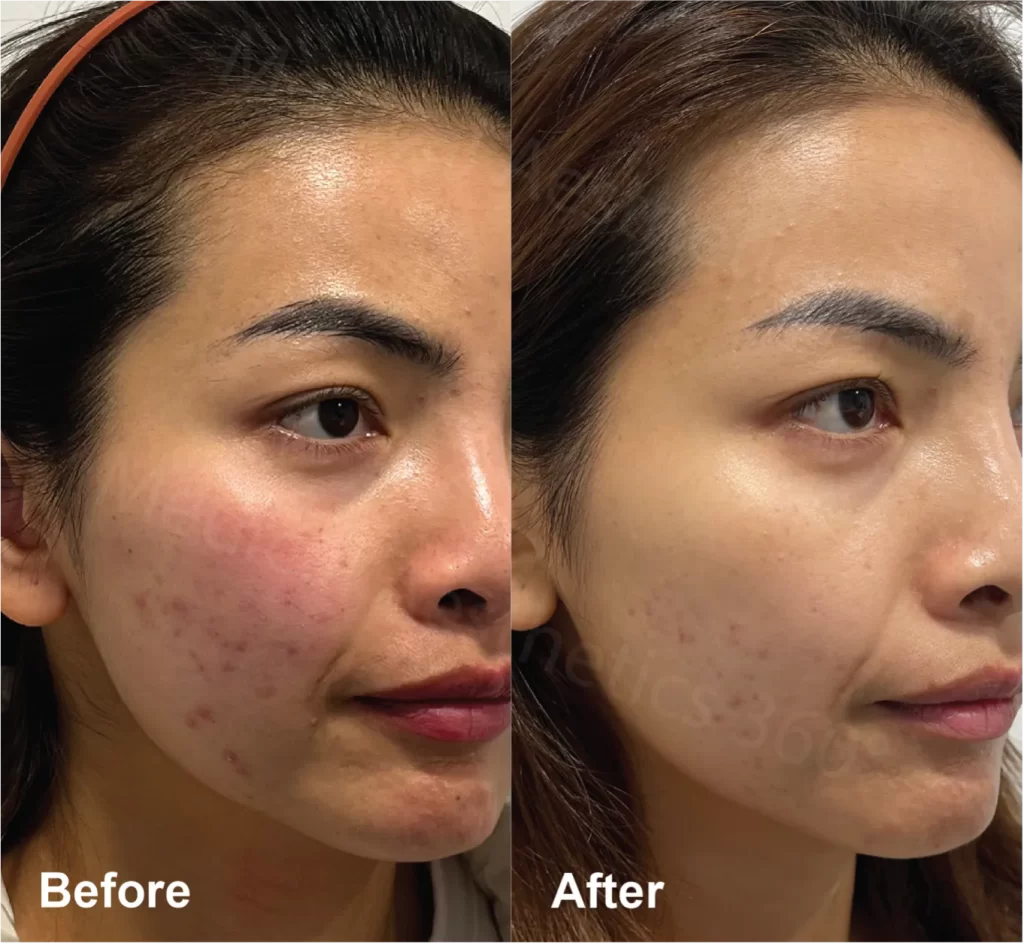
Calmer, clearer-looking skin
See how BBL was included in a broader skin plan for visible redness, blotchiness and marks left after breakouts. For persistent flushing, explore our facial redness treatment guide.
Explore the BBL redness and post-acne caseCase studies show individual outcomes, not guaranteed results. Lighting, angle, baseline pigment, treatment combination and follow-up interval can differ between cases.
Start your Sciton BBL plan with the right diagnosis
Get a clearer understanding of what you are treating before choosing BBL. Because it can target pigment and vascular colour, a brown or red area needs assessment before selecting a filter and treatment endpoint.
Your assessment considers when the pigment appeared, whether it changes with seasons or pregnancy, how previous treatments behaved, and whether your skin is currently tanned, inflamed or barrier-impaired. Our guide to pigmentation types and treatment options explains how these findings shape your plan.
Important: a new, changing, irregular, asymmetrical or bleeding pigmented lesion needs medical assessment before BBL or laser. Cosmetic light treatment should never be used to bypass diagnosis.
What can Sciton BBL do for your skin?
Your skin goals are a good place to start. Sciton BBL may help soften selected surface pigmentation and redness; your assessment helps us match the approach to your skin. We will also explain when a targeted pigment laser, fractional treatment or non-device plan may better suit your diagnosis.
The IPL evidence behind a considered BBL discussion
A randomized physician-blinded study of freckles and lentigines found improvement with both intense pulsed light and Q-switched alexandrite laser. The laser performed better for freckles, while IPL was favoured for lentigines when post-inflammatory pigmentation affected the laser side.
The study was small and follow-up was short, with one laser treatment compared with two IPL treatments. It studied IPL, not a Sciton BBL-specific protocol, and does not prove that BBL or any device is superior. It supports a useful discussion at your consultation: pigment type and your tendency to darken after inflammation affect which treatment trade-offs may be acceptable.
Could Sciton BBL be right for you?
You do not need to work this out on your own. Bring your goals and questions, and we will assess the treatment target, skin tone, current skin condition, medical history and recent sun exposure together. Your settings and recovery expectations will be tailored to your needs.
You may be ready to explore BBL when
- Freckles, solar lentigines or diffuse photodamage have been assessed.
- There is no recent tan, sunburn, infection or active dermatitis.
- You can follow strict sunscreen and aftercare instructions.
- You understand that new pigment and melasma relapse can occur.
Your skin may need preparation or another option when
- Melasma is flaring or previous laser caused rebound pigmentation.
- The skin is recently tanned, inflamed, sensitised or barrier-impaired.
- A brown lesion is new, changing, irregular or medically unexplained.
- Medication, pregnancy or a medical condition affects light sensitivity or healing.
Your Sciton BBL appointment, step by step
From your first questions to your aftercare plan, we will explain each step so you know what to expect. Your appointment starts with an assessment, with the filters, settings and treatment area chosen for your skin, followed by clear aftercare guidance.
-
Assessment
Discuss your goals while we review pigment pattern, depth, triggers, skin tone, medication and previous treatment response. Suspicious lesions are excluded from cosmetic treatment.
-
Preparation
Arrive with a preparation plan: avoid tanning and pause irritating products as directed. Pigment-controlling skincare can be introduced when your risk profile supports it.
-
During treatment
Your clinician fits protective eyewear and selects suitable Sciton BBL filters and settings for the agreed areas. Cooling helps manage skin temperature and comfort during treatment.
-
Review and maintenance
After healing, review what has changed and whether further treatment would help. Your response guides the next step, rather than an automatic package or fixed number of sessions.
Plan your Sciton BBL recovery and aftercare
After Sciton BBL, the skin may look pink or feel warm for a short time. Treated freckles and sun spots can temporarily darken before gradually flaking or fading.
Melasma and PIH do not always follow this predictable spot-darkening pattern. Diffuse worsening, blistering, increasing pain or pigmentation outside the intended area needs prompt review.
Possible complications include prolonged redness, swelling, burns, blistering, infection, scarring, post-inflammatory hyperpigmentation, hypopigmentation and melasma rebound. Darker and pigment-prone skin may require more conservative settings or a different platform.
Sciton BBL vs PicoSure, nanosecond laser and LaseMD
Choosing BBL starts with understanding its role. Compare the options below, then use your assessment to match treatment to your pigment and skin response. For a closer look, read Sciton BBL, PicoSure and Fotona compared.
Sciton BBL consultations in Chatswood and Hurstville
Choose the MA360 clinic that works for you and tell us what you would like to improve. Our clinical team can assess your freckles, sun spots, redness or uneven tone and talk you through whether BBL or another pigment or skin-renewal treatment suits your goals.
Your consultation is a chance to ask questions and understand your next steps, including skincare preparation, staged treatment or waiting until your skin is stable where appropriate. When you are ready, book a BBL consultation at your preferred clinic.
Chatswood clinic
Convenient for patients from Sydney's Lower North Shore and surrounding suburbs.
Hurstville clinics
Accessible for patients from St George, southern Sydney and nearby areas.
Sciton BBL Sydney FAQs
It is natural to have questions before choosing a treatment. Start with these general answers, and bring anything else to your consultation. Personal advice depends on your concern, filter, settings, treatment area and skin response.
What causes pigmentation, and why does it matter before BBL?
Pigmentation can reflect cumulative sun exposure, genetics, hormones, inflammation, medication or skin injury. Freckles, solar lentigines, melasma and post-inflammatory hyperpigmentation have different behaviour, so a useful treatment plan begins with the likely diagnosis rather than the colour alone. See our pigmentation treatment overview for guidance on the different pigment patterns.
Can Sciton BBL help pigmentation?
Sciton BBL may improve selected freckles, solar lentigines, superficial sun damage and uneven tone. It can also address background redness when suitable filters are used. Response depends on the pigment depth, skin tone, recent sun exposure and risk of post-inflammatory pigmentation.
Is Sciton BBL a laser or an IPL treatment?
Sciton BBL is an intense pulsed light (IPL) treatment, not a laser. It is a platform that emits a range of wavelengths selected with filters. A laser uses a more specific wavelength. This difference affects the targets, settings, recovery and skin types for which each platform may be appropriate.
Can BBL treat melasma?
BBL may be considered cautiously in selected melasma patterns, but it is not a universal first-line treatment or a cure. Melasma can worsen after heat and inflammation and commonly relapses, so photoprotection, pigment-controlling skincare and conservative long-term planning are central. Explore our melasma treatment guide before deciding on a light or laser procedure.
Why can pigmentation worsen after BBL?
Heat, inflammation, ultraviolet exposure and an impaired skin barrier can stimulate pigment production. Risk is higher when the target is unsuitable, skin is recently tanned, settings are too aggressive or aftercare does not control triggers.
What is post-inflammatory hyperpigmentation, and can BBL cause it?
Post-inflammatory hyperpigmentation is darkening that follows irritation or injury, including acne, dermatitis, burns and procedures. It is more common in darker or pigment-prone skin and can be triggered by treatment itself, which is why preparation and conservative settings matter.
Is Sciton BBL suitable for every skin tone?
BBL may be considered for a range of skin tones, but settings and suitability differ. Melanin-rich skin absorbs more light energy and may have a higher risk of burns or pigment change. Assessment and conservative parameters are particularly important.
Do freckles and solar lentigines need different BBL assessment?
They are related but not identical. Freckles are strongly influenced by genetics and often darken with sun exposure, while solar lentigines are persistent sun-related spots that become more common over time. Both should be distinguished from suspicious or changing lesions before cosmetic treatment.
Can every brown spot be treated with BBL?
No. A new, changing, asymmetrical, irregular, bleeding or unusual pigmented lesion should be medically assessed before any light or laser procedure. Cosmetic treatment can obscure a lesion and should not replace appropriate diagnosis.
Does Sciton BBL hurt?
Sensation varies with the filter, settings and treatment area. BBL is often described as brief warmth or a snapping feeling. Cooling supports comfort, but the procedure should not be promised as pain-free.
How much downtime follows Sciton BBL?
Redness and warmth may settle within hours after a lighter session. Treated brown spots can temporarily darken and form fine dry particles before flaking over several days. Swelling and sensitivity vary with settings and individual response. Plan ahead with our BBL aftercare advice.
Is it normal for pigment to look darker after BBL?
Selected freckles or sun spots can temporarily darken after BBL before gradually flaking. Widespread worsening, blistering, increasing pain or darkening outside the treated area needs prompt advice. Do not pick or scrub the skin.
When can makeup be worn after BBL?
Makeup timing depends on the skin response and the aftercare instructions you receive. Do not apply it over blistered, weeping or significantly irritated skin. Use gentle products once your clinician says the surface is ready.
How many Sciton BBL treatments are needed?
Some selected spots show a visible change after one session, while diffuse photodamage or redness may need a course. The number depends on the targets, settings, skin response and maintenance. More sessions are not automatically better.
How long can Sciton BBL results last?
Treated spots may stay lighter, but BBL cannot prevent new sun damage and vascular redness can recur. Melasma is also relapse-prone. Daily sunscreen, trigger control and appropriate maintenance help protect improvement.
Who should postpone Sciton BBL?
BBL is commonly postponed with a recent tan, sunburn, active infection, open skin, uncontrolled dermatitis or a suspicious lesion. Pregnancy, photosensitising medicines, previous pigment complications and relevant medical conditions must be discussed during screening.
How much does Sciton BBL cost in Sydney?
Treatment cost depends on the area, targets, selected settings and expected number of sessions. MA360's doctor-personalised consultation fee is AUD $100 and is redeemable toward suitable same-day treatment. A treatment quote is provided after assessment. Book a Sciton BBL consultation to discuss your options and receive a personalised quote.
Your plan for more even-looking skin starts with a conversation
Tell us what you would like to improve, and let us help you explore whether Sciton BBL fits your skin and goals. Choose Chatswood or Hurstville in the enquiry form to request your consultation. The doctor-personalised consultation fee is AUD $100 and is redeemable toward suitable same-day treatment. Our team will confirm availability after you submit your request.
Still considering your options? Take a look at our complete pigmentation treatment guide and bring your questions along. We can help you understand the choices.
Explore your Sciton BBL treatment plan in more detail
Want to feel more prepared for your visit? Start with our main pigmentation guide to understand why diagnosis matters, then explore treatment comparisons, practical aftercare, individual cases and the MA360 team. Save any questions you would like to discuss with us.
Understand your treatment options. Start with the pigmentation treatment overview and explore BBL, PicoSure and Fotona compared. If redness is part of your concern, read about facial redness treatment.
See the journey and prepare. Browse skin and laser case studies and keep our BBL and pigment-laser aftercare guide available for recovery advice.
Choose your next step. Meet the clinical team, view the Chatswood clinic or Hurstville clinic, and request a Sciton BBL consultation.
This page provides general information and does not replace personal medical advice. Results, recovery and complications vary. Case-study images show individual outcomes and do not guarantee the same result. Assessment is required to confirm diagnosis, suitability and an appropriate treatment plan.