
Biostimulator & Bio-Remodelling Treatments

Biostimulator & Biomodulation Sydney | Skin Quality Guide | MA360
Doctor-led skin rejuvenation · Sydney

Biostimulator & biomodulation treatments for gradual skin renewal

Bio-remodelling is for people who want to improve skin quality and support over time, while still looking like themselves.

At MA360 in Chatswood and Hurstville, we begin with what has changed in your skin—not the name of a trending treatment. After assessing collagen loss, laxity, hydration, texture and facial structure, we can explain whether a biostimulator, another skin-quality treatment, an energy-based option or no treatment is the most appropriate path.
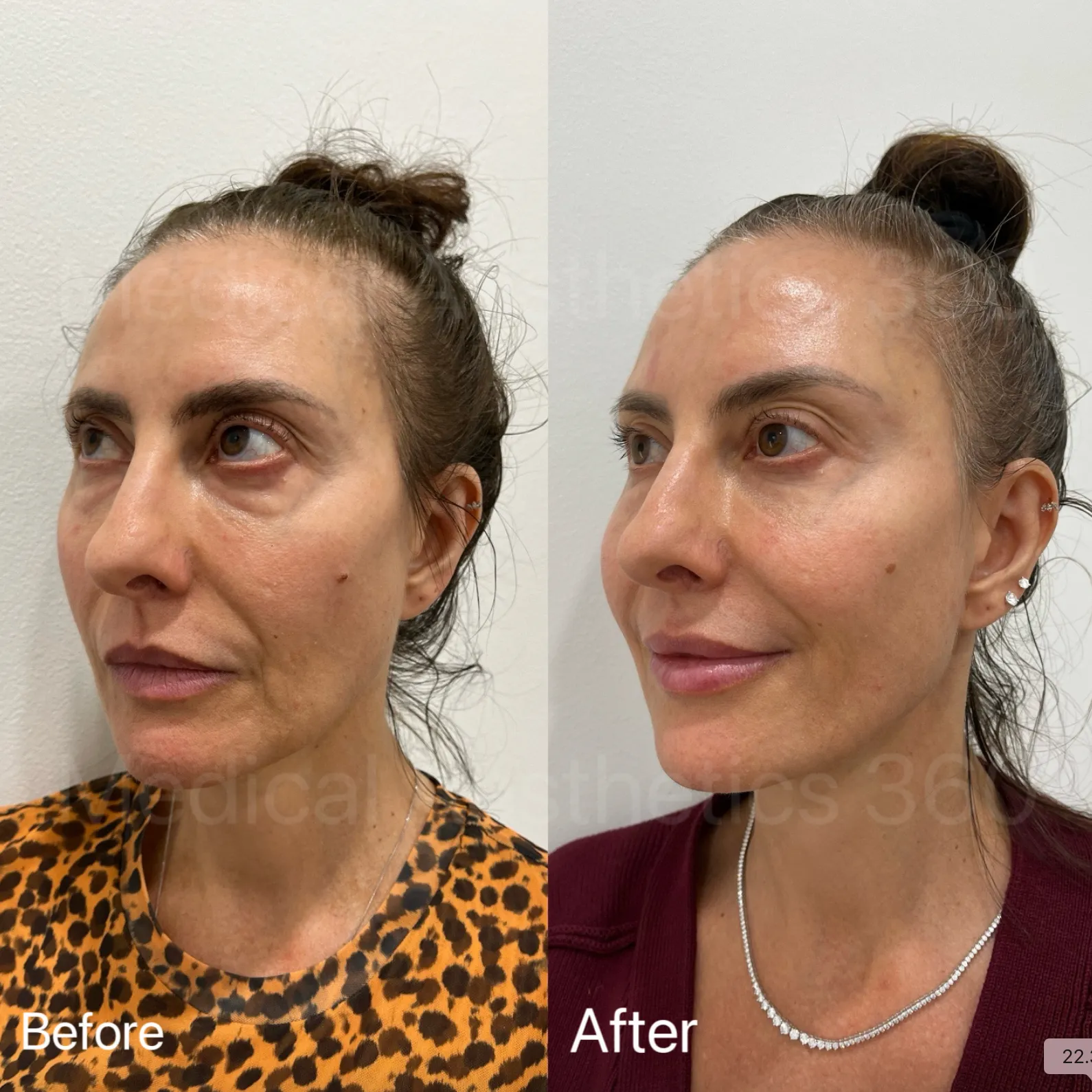
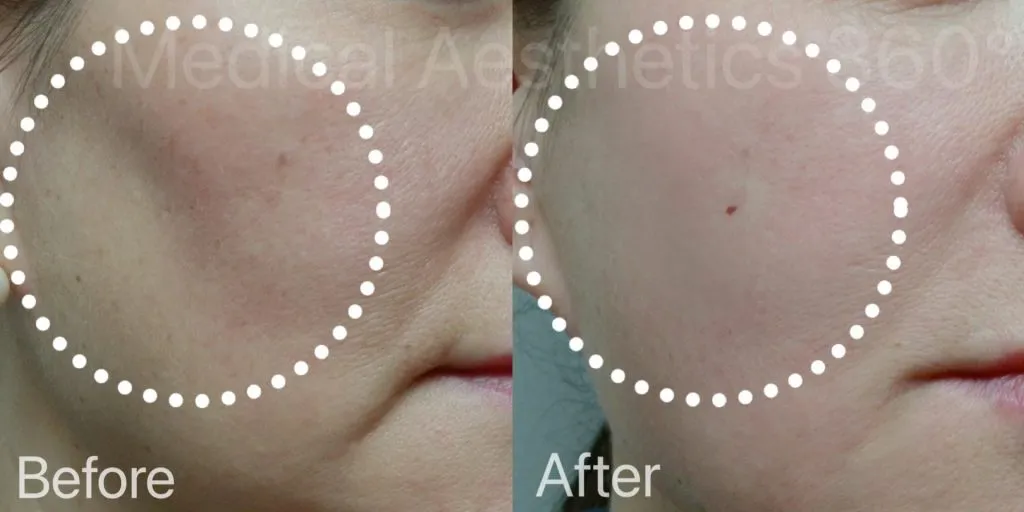
Natural-looking facial rejuvenation case study at Medical Aesthetics 360
A personalised facial rejuvenation example. A case may involve more than one treatment and cannot predict another person’s outcome.
Assessment firstSkin, anatomy, health history and previous treatment reviewed
Gradual changeCollagen-related responses develop over weeks and months
Plan, not packageSession number and timing depend on the individual
Two Sydney clinicsChatswood and Hurstville
Mid-face support and natural facial balance case study at MA360
The useful question is not “Which treatment is popular?” but “Which tissue change am I trying to improve?”
Start with the language

What do biostimulator, biomodulation and bio-remodelling mean?

These terms are often grouped together, although they do not describe exactly the same thing. The most useful distinction is what a treatment is designed to change.

A biostimulator is usually an injectable treatment intended to prompt a controlled collagen response. Depending on the material and technique, it may be used to support firmness, texture or selected areas of facial structure.

Biomodulation is a wider concept. It refers to influencing the skin environment and its renewal processes rather than simply adding volume. The term bio-remodelling is commonly used for treatments intended to improve hydration, elasticity and overall skin quality over time.

Because these labels cover different products and techniques, ask what is being recommended, why it suits your concern, what evidence supports its use and which risks are relevant to you.
Match treatment to tissue

What a collagen biostimulator may—and may not—address

Crepey skin, early laxity and reduced facial support can appear together, but they are not the same concern. A natural collagen stimulation plan should identify which tissue has changed before a treatment is selected.

01 / Skin quality

Texture, resilience and fine lines

A skin biomodulation or skin-quality plan may be considered for thin, less resilient or crepey-looking skin. Active acne, pigmentation and significant scarring usually require a different approach.

02 / Firmness

Early collagen loss and mild laxity

In a suitable patient, gradual collagen support may soften the appearance of early laxity. It cannot reposition tissue in the way surgery can, and it should not be presented as a guaranteed lift.

03 / Structure

Selected volume or contour change

Some biostimulatory materials may also provide structural support. Facial width, fat distribution, previous injectables and the possibility of unwanted fullness all need to be considered.

A practical comparison

Biostimulator vs skin booster vs skin tightening

The categories can overlap, but each begins with a different purpose. The right comparison depends on whether the concern sits mainly at the skin surface, within the skin or in deeper facial support.

Pathway
Primary focus
Important limitation
Biostimulator
A gradual collagen response, with skin-quality or structural goals depending on the proposed material and technique.
Results are not immediate or perfectly predictable; some materials cannot simply be dissolved.
Skin-quality booster
Hydration, surface smoothness, luminosity or fine texture, usually without trying to reshape the face.
It may not meaningfully address laxity, facial support or deeper structural change.
Energy-based tightening
Controlled energy used to support remodelling and firmness at a selected depth.
It does not replace lost volume or suit every skin type, concern or degree of laxity.
Resurfacing
Texture, pores, pigmentation or scarring where surface renewal is the main priority.
It is not a substitute for deeper support and may involve different downtime and pigment considerations.

Explore MA360’s skin quality and firmness guide, skin tightening pathways and regenerative skin-quality information.

What to expect

From biostimulator consultation to review

Before going ahead, you should understand what is proposed, why it suits your concern, what recovery may involve and when the plan will be reviewed.

01

Consult

Discuss your goals, medical history, medicines, allergies, dental timing, previous procedures and any history of swelling, nodules or complications.

02

Assess

Examine the skin and deeper tissues at rest and in movement, then compare the options that genuinely match the concern.

03

Treat

If appropriate, prepare the skin carefully and follow the agreed placement plan. Technique, treatment area and comfort measures vary.

04

Review

Allow the early response to settle and assess change over time. Any further treatment should follow reassessment rather than an automatic top-up.

14studies included in a recent systematic review of two established facial collagen-biostimulator categories
Morelong-term, standardised research is still needed for safety, durability and technique
Evidence, not hype

What the research says about facial collagen biostimulators

A systematic review reported improvements in measures including elasticity, wrinkles and facial volume for the two collagen-biostimulator categories it assessed. However, study methods, treatment protocols and follow-up periods varied, and the authors called for more research into long-term safety and standardised technique.

The findings offer useful context, but they cannot predict an individual result. The proposed material, amount and placement still need to be considered alongside anatomy, health history, practitioner training and follow-up.

Read the systematic review on PubMed

Safety and recovery

Biostimulator downtime, side effects and realistic timing

Recovery varies with the material, treatment area, technique, health history and individual response. Even a treatment described as having minimal downtime can cause visible swelling or bruising.

Common, usually temporary effects

  • Redness, tenderness, swelling or bruising
  • Temporary firmness, asymmetry or visible treatment points
  • A full or uneven early appearance while swelling settles
  • Short-term interruption to exercise, skincare or other procedures as advised

Delayed or less common concerns

  • Infection, prolonged inflammation or swelling
  • Lumps, nodules, granuloma or unwanted contour
  • Migration or a result that is difficult to reverse
  • Vascular injury and other rare but serious complications
Contact your treating clinic urgently if you develop severe or increasing pain, pale or mottled skin, dusky discolouration, cool skin, visual symptoms, sudden severe headache, weakness or difficulty speaking after an injectable procedure. Seek emergency care when advised.
Related patient journeys

Natural-looking rejuvenation in context

These MA360 case studies place skin quality and facial support in a broader treatment context. Each journey is individual, may include more than one treatment and cannot predict another person’s result.

Individual results vary. Images are published with consent for educational context. Anatomy, skin quality, treatment history, technique and healing response can all affect outcome.

Patient questions

Biostimulator and skin biomodulation FAQs

Clear answers to common questions about collagen stimulation, treatment timing, suitability and recovery.

What is the difference between a biostimulator and dermal filler?
Dermal filler is generally used to create support or replace selected volume more directly. A biostimulator is intended to encourage a gradual tissue response, although some biostimulatory materials can also add structure. The right option depends on your anatomy, concern and the specific material proposed.
What is skin biomodulation treatment?
Skin biomodulation is a broad term for treatments intended to influence repair, hydration or remodelling processes rather than simply add volume. Because clinics may use the term differently, ask what the recommended treatment contains or uses and what it is expected to improve.
How long does a facial biostimulator take to work?
Collagen-related change develops gradually, usually over weeks or months. Timing varies with the treatment, area and individual response, and early swelling should not be mistaken for the final result.
How long do biostimulator results last?
There is no universal duration. Longevity varies with the material, technique, treatment area, skin condition and individual response, so maintenance is best considered after review rather than booked to a fixed calendar.
Is a biostimulator suitable for the face, neck or hands?
Some approaches may suit selected concerns on the face, neck or hands, but a treatment used in one area may not be appropriate in another. Skin thickness, movement, anatomy and complication risk all affect the decision.
How many biostimulator sessions will I need?
The number of sessions depends on the treatment, starting tissue quality, area and goals. A staged plan allows the response to be reviewed before anything further is recommended.
How much downtime should I allow?
Many people return to ordinary activities quickly, but swelling, bruising, tenderness or visible treatment points may last several days or occasionally longer. It is sensible not to schedule a first treatment immediately before an important event.
Who should avoid or postpone biostimulator treatment?
Treatment may need to wait during pregnancy or breastfeeding, with active infection or inflamed skin, around certain dental or medical procedures, or when a health condition, medicine, allergy or previous reaction increases risk. Suitability must be assessed individually.
Can biostimulators be dissolved?
Not all biostimulatory materials can be dissolved. An unwanted result or reaction may require observation, medicine or another procedure, so reversibility should be discussed before treatment.
Your next step

Begin with a considered skin assessment

Tell us what has changed and what you hope to improve. At our Chatswood and Hurstville clinics, we can help you compare the skin-quality, collagen-support and tightening options that make sense for you.