


Double chin reduction in Sydney, selected for the cause
Under-chin fullness can come from local fat, looser skin, facial structure or a combination of all three. The right plan starts by finding out which layer is shaping your profile.
A double chin can occur at any body size and is not a measure of health or effort. At MA360, assessment considers the chin, jawline and neck together so the discussion is about proportion and suitability, not chasing a standard face shape.
- Assessment
- Fat, skin and profile structure
- Options
- Non-surgical to surgical
- Recovery
- Varies widely by pathway
Clinical examples
Original images shown in full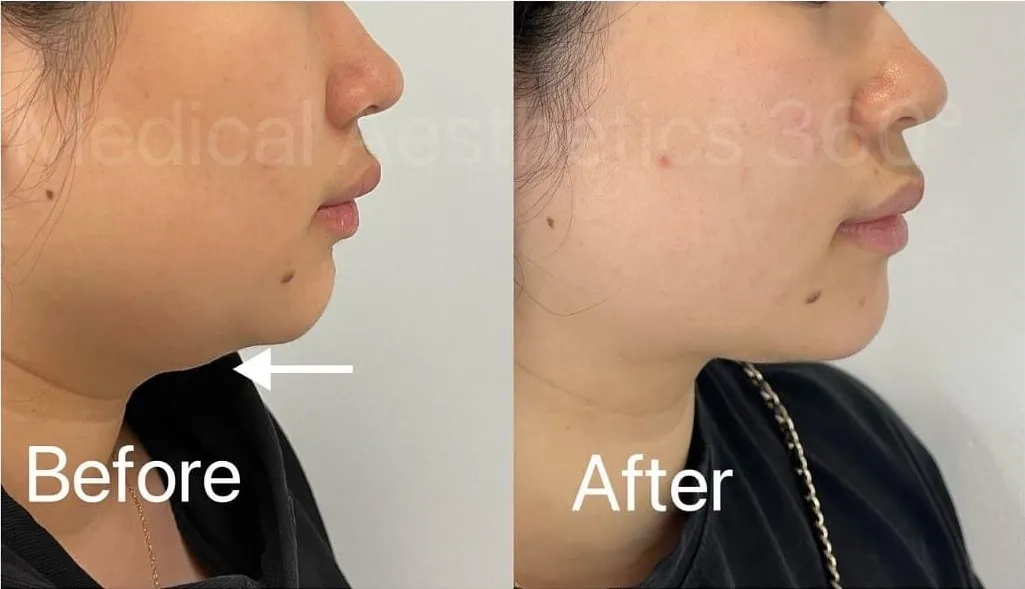
Under-chin contour and profile balance
View the case study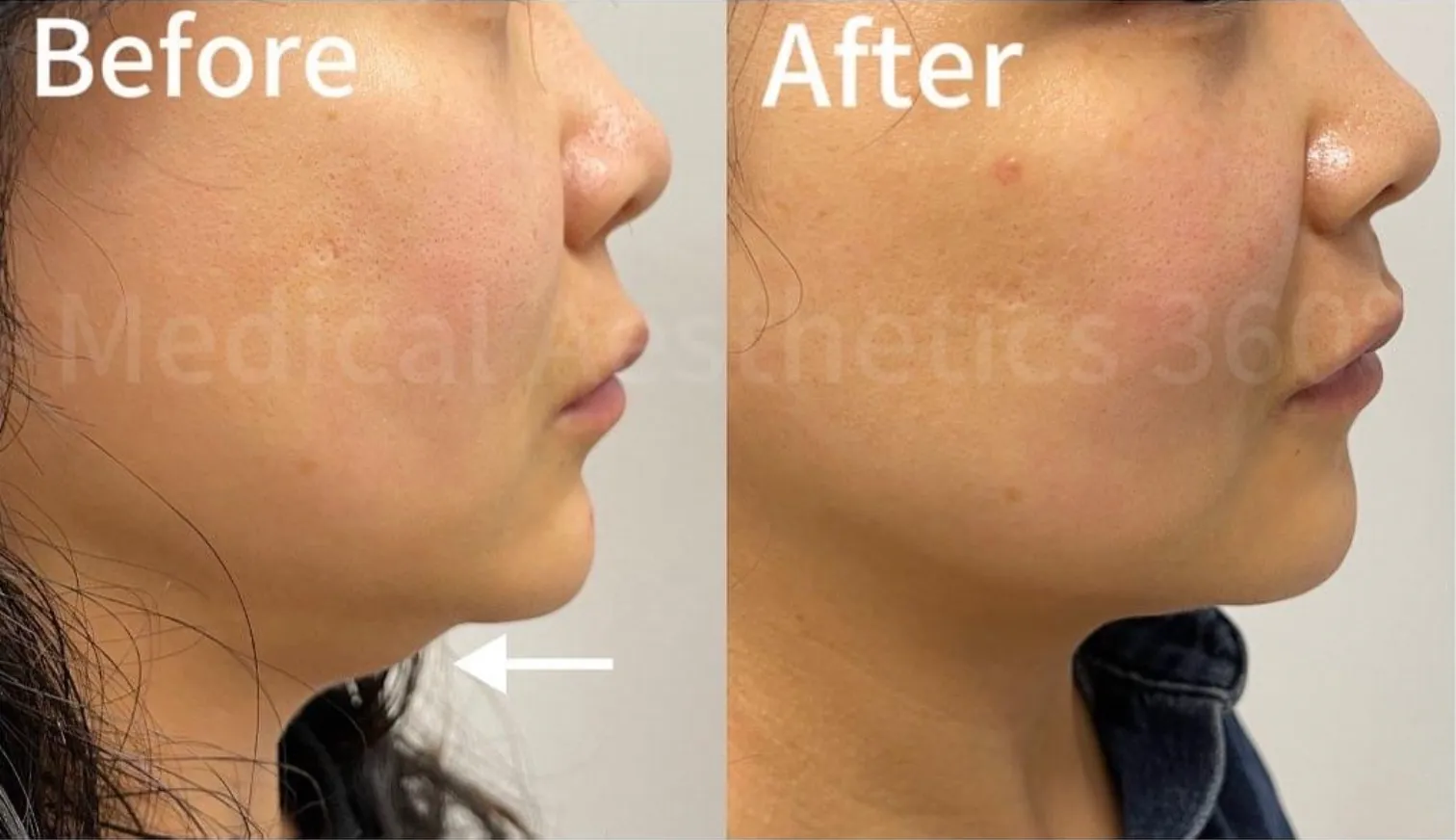
Submental fullness and jawline definition
View the case studyClinical images are educational examples, not a prediction or guarantee. Anatomy, treatment selection, healing, photography and timing can influence how a comparison appears.
“Double chin” describes the appearance, not the cause
Two people can look similar in a photograph and still need different advice. Treating the wrong layer may produce little change or leave another part of the contour more visible.
Localised submental fat
Fat beneath the chin can soften the angle between the jaw and neck. Genetics and natural fat distribution often matter as much as body weight.
Skin and tissue laxity
Reduced elasticity can blur the lower-face outline. Removing fat without considering skin quality may not create the firmer contour someone expects.
Chin and neck structure
Chin projection, jaw shape and natural neck anatomy influence the profile. A structural concern cannot always be solved by reducing volume.
Often, more than one layer is involved. A combined or staged plan may be more logical than trying to make one procedure do everything.
- Changes after weight fluctuation may include both residual fullness and skin laxity
- Age-related softening can involve skin, supporting tissue and platysma muscle activity
- A less projected chin can make the neck transition appear fuller from the side
- Advanced laxity may be better assessed through a surgical consultation
Double chin treatment options are not interchangeable
The useful question is not simply which treatment is strongest. It is which approach addresses the main layer, with a level of recovery and risk that feels acceptable to you.
Published results need context
A systematic review and meta-analysis of randomised trials for one established non-surgical submental fat approach found measurable improvement, but rated the certainty of evidence as low to moderate. Adverse effects were more frequent than with placebo, and every included study had potential industry sponsorship bias.
This does not mean treatment cannot work. It means results, side effects and research limitations should be discussed together, and that evidence for one option should not be assumed to apply to every device or procedure. Read the systematic review on PubMed.
Choosing well matters more than choosing quickly
A useful consultation should leave you knowing what is creating the contour, which options are reasonable, what each can and cannot change, and how recovery differs.
Assess the profile in motion and at rest
Fat distribution, skin quality, chin projection, jawline, neck anatomy and muscle activity are reviewed rather than judging one photograph.
Identify the limiting layer
The discussion separates fat reduction from skin tightening and structural balance so the goal is realistic.
Compare recovery and risk
Session number, likely swelling, time away from routine, aftercare, alternatives and costs are explained for the proposed pathway.
Decide whether to proceed
Suitability must be confirmed, and a consultation does not commit you to treatment. Staging or no treatment may also be reasonable.
The risk profile changes with the procedure
Your medical history, skin condition, previous procedures, medicines and recovery support can all change which options are appropriate.
Expected or more common effects
Depending on the pathway, temporary effects can include redness, warmth, swelling, bruising, tenderness, firmness, numbness and unevenness while the area settles.
- Energy-based procedures can cause sensitivity, swelling or temporary altered sensation
- Medical fat-reduction procedures may produce marked local swelling and tenderness
- Minimally invasive or surgical options usually involve more bruising, compression and recovery
Less common but important risks
Possible complications include infection, prolonged numbness, nerve weakness, contour irregularity, fluid collection, skin injury, scarring or dissatisfaction with the result. Thermal and surgical procedures carry additional treatment-specific risks.
Know when to seek urgent review
Contact the treating clinic promptly for severe or increasing pain, spreading redness, fever, worsening asymmetry, skin colour change, blistering, drainage or new facial weakness. Breathing difficulty or a severe swallowing problem requires emergency assessment: call 000.
Plan for the pathway, not a generic downtime estimate
Early recovery
Swelling can temporarily make the under-chin area look fuller. Follow the specific instructions provided and keep your review contact details available.
Visible change
Some procedures change contour gradually as swelling settles or tissue remodels. Others produce a more direct change but require longer recovery.
Longer-term contour
Ageing, weight change, skin elasticity and the original anatomy continue to influence the neck and jawline. No result is immune to future change.
Double chin reduction FAQs
Clear answers before choosing a treatment pathway in Sydney.
What causes a double chin?
Can a double chin remain despite exercise or weight loss?
Which double chin treatment is most suitable?
Can one procedure reduce fat and tighten skin?
How many sessions will I need?
How much downtime is involved?
When can results be assessed?
Are double chin reduction results permanent?
Can chin projection affect the appearance of a double chin?
How much does double chin treatment cost in Sydney?
Consult in Chatswood or Hurstville
Chatswood clinic
Convenient for the North Shore, Willoughby, Artarmon, Roseville and nearby suburbs.
Hurstville clinic
Convenient for St George, Kogarah, Penshurst, Beverly Hills and Sydney's south.