Considering Mole Removal for Cosmetic Reasons?
If you have a mole or skin tag that draws your eye every time you look in the mirror – especially one that’s easy to see from a normal “social distance” – it’s very common to wonder whether gentle laser removal might help.
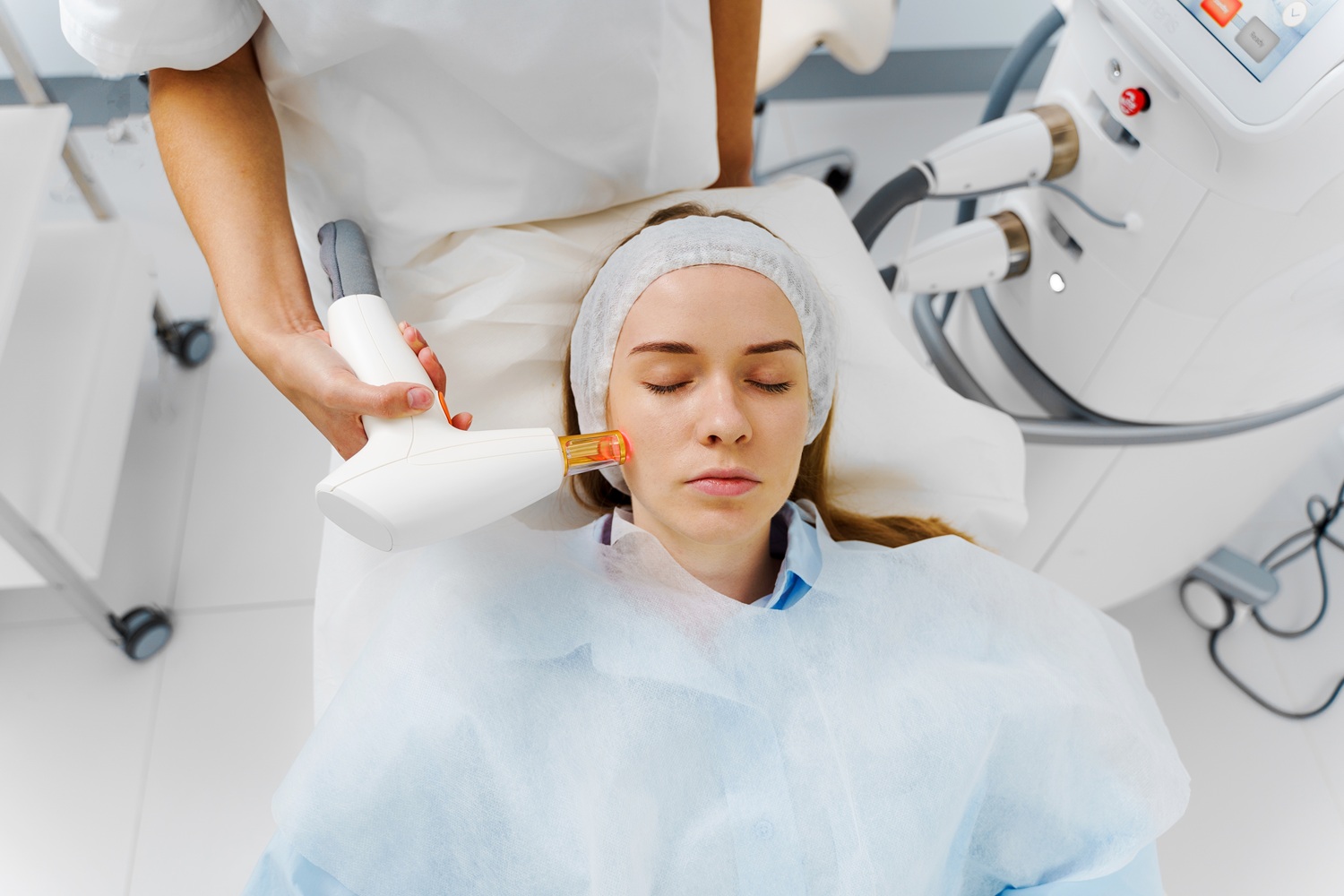
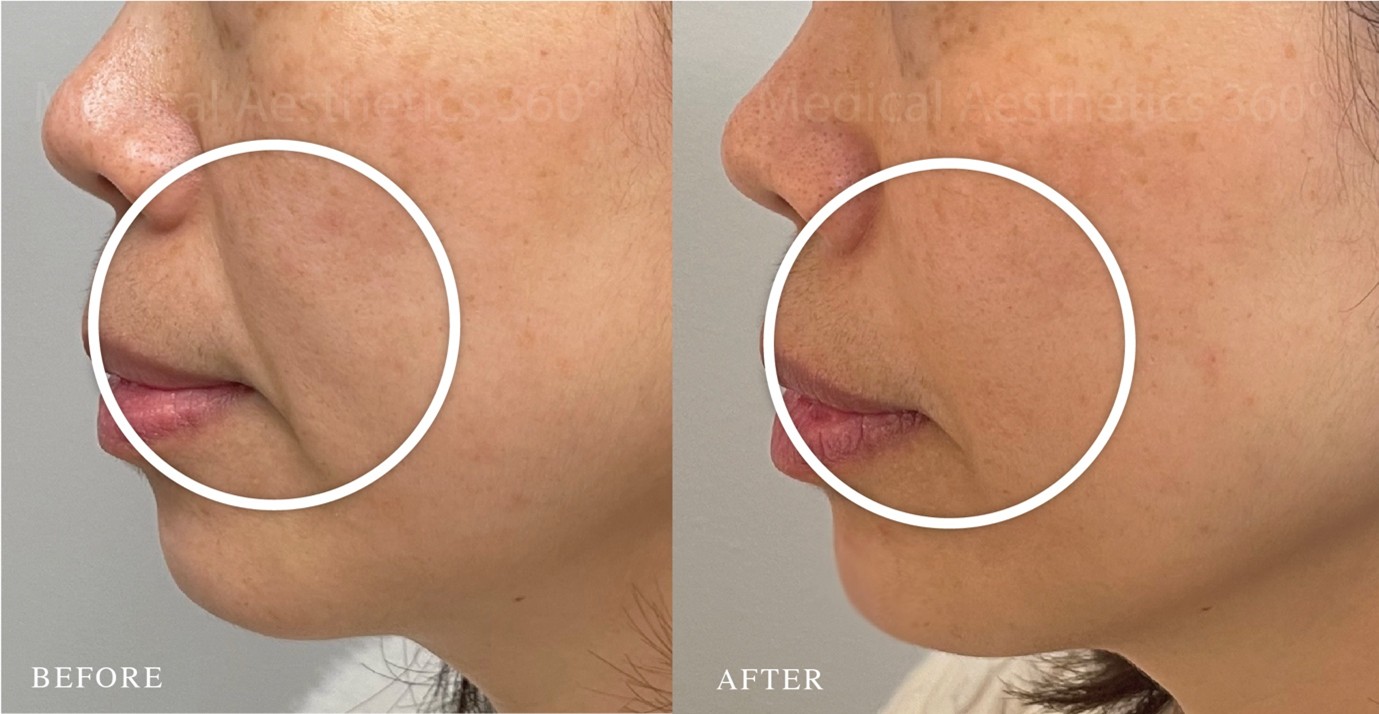
At Medical Aesthetics 360°, we use Erbium:YAG laser for selected benign moles and skin lesions. This laser is highly absorbed by water in the skin, which allows for very precise tissue ablation with minimal surrounding heat compared with more thermal lasers. That precision can be particularly helpful for patients with ethnic or darker skin types, where excess heat in the skin can increase the chance of post-inflammatory hyperpigmentation (PIH).
We may also use radiofrequency (RF) techniques for certain lesions, but in many cosmetic mole removal cases we prefer Erbium:YAG because of its fine control of depth and the way it can vaporise tissue layer by layer with a relatively narrow zone of thermal effect.
Suitability for any mole or skin tag treatment is always assessed by our doctors first. Where clinically appropriate, the laser procedure itself may be carried out by a trained therapist working under medical guidance and established clinical protocols.
Even with careful settings and suitable devices, any treatment that injures the skin – including laser and RF – carries a risk of PIH and scarring, especially in darker skin types. These risks cannot be completely eliminated.
Why Erbium:YAG for Cosmetic Mole Removal?
Erbium:YAG is an ablative laser that specifically targets water in the skin. This gives it several useful properties for carefully selected benign lesions:
• Highly precise tissue ablation – it removes very thin layers of tissue at a time, almost like controlled digital “shaving”.
• Less bulk heat in surrounding tissue compared with some other ablative lasers, which may help reduce collateral thermal damage when parameters are chosen carefully.
• Good control over depth – the treating clinician can gradually sculpt or flatten raised lesions to better match the surrounding skin surface.
Radiofrequency surgery (for example, using a fine RF loop or tip) is another option for some moles and tags, and can also remove tissue while coagulating at the same time. In our practice, however, Erbium:YAG is often our first choice for many raised benign lesions because of the way it allows clean ablation with minimal charring, which can be helpful when aiming to balance clearance, texture and healing.
Which Moles and Skin Tags Tend to Respond Best?
Cosmetic Erbium:YAG removal usually works best for benign, raised lesions that are visible from a normal conversation distance – the sort of mole or tag that you or others notice straight away in photos or in person.
• These often have good room for visible improvement, because even a modest flattening or blending can change how the area looks.
• Very tiny lesions can be treated as well, but if they are so small that close family and friends don’t usually notice them, the visual change may be more subtle.
Every lesion is different. Some may respond well to a single session; others may need staged treatment, or may not be suitable for laser at all. Your doctor will discuss realistic expectations for your specific mole, including the possibility of residual colour, textural change, or minor scarring, even when everything heals normally.
Diagnosis Comes First: When a Mole Should Not Be Lasered
Before any cosmetic laser or RF removal, the most important step is correct diagnosis.
For moles, this means they should:
• Look benign on clinical examination and dermoscopy, and
• Have no suspicious features such as:
– Asymmetry – one half doesn’t match the other
– Border irregularity – jagged, notched or poorly defined edges
– Colour variation – multiple colours or very uneven colour pattern
– Increasing diameter – especially if getting larger over time
– Evolution – any recent change in size, shape, colour or behaviour
• No concerning surface or skin reactions such as:
– New bleeding, crusting or ulceration
– Persistent irritation, itching, pain or inflammation
– Bluish, very dark or unusual discolouration compared with your other moles
– Rapid growth, new elevation, firm nodule development, or the “ugly duckling” mole that looks different to all the rest
Your history also needs to be consistent with a benign lesion, for example:
• No recent rapid change in size, shape or colour
• No recent unexplained bleeding or ulceration
• No history of a similar lesion being previously removed as a skin cancer
• No strong personal or family history of melanoma in association with a worrying-looking mole
If there is any doubt about a mole’s behaviour or appearance, you should be assessed and cleared by a skin cancer clinic or dermatologist first. Suspicious lesions may require biopsy or excision for histology, rather than cosmetic laser ablation. Cosmetic removal should only be considered after a lesion has been confidently assessed as benign.
What About Scarring and Pigment Changes?
Any time we intentionally injure the skin to remove a lesion – whether using Erbium:YAG, RF, a curette, or other methods – there is a possibility of:
• Post-inflammatory hyperpigmentation (PIH) – temporary or sometimes persistent darkening of the treated area, more common in darker or ethnic skin types and after higher-energy or deeper procedures.
• Hypopigmentation – lighter patches where pigment cells have been reduced.
• Textural change or scarring – from subtle flattening or slight indentation to more obvious scars in a minority of cases.
Using Erbium:YAG with conservative, tailored settings, good wound care, and appropriate sun protection can help reduce (but never eliminate) these risks. Your doctor will go through potential outcomes and aftercare in detail before you decide whether to proceed.
Call to Action – Is Cosmetic Mole Removal Right for You?
If you have benign-appearing moles or skin tags that:
• You notice every time you look in the mirror, or
• Are prominent enough to be visible from a normal conversation distance
and you are wondering if a precise Erbium:YAG approach could help, a face-to-face assessment is the safest place to start.
At Medical Aesthetics 360° (Chatswood & Hurstville):
• Suitability and diagnosis are always assessed by our doctors first.
• Where clinically appropriate, Erbium:YAG treatments are carried out by trained therapists following medical orders, treatment plans and protocols.
• You will be advised if laser, radiofrequency, surgical removal or no treatment is the safest choice for your lesion.
• If there is any concern about cancer risk, you will be referred for skin cancer assessment before any cosmetic procedure is considered.
To find out whether your mole or skin tag is suitable for cosmetic Erbium:YAG laser removal, book a consultation with our team in Chatswood or Hurstville. No cosmetic procedure is performed without proper medical assessment and clear explanation of risks, benefits and alternatives.
Your Treating Doctor
Dr Chun-Yen Huang
• AHPRA registration number: MED0001187421
• Registration type: General and Specialist Registration – General Practice
• Role: Cosmetic doctor providing non-surgical facial rejuvenation and skin-focused care, surgical blepharoplasty
Doctor details are provided to help you verify registration and scope of practice on the public AHPRA register.
Important Medical & Advertising Disclaimer
This article is intended as general information only and does not replace a consultation with a qualified health practitioner. Cosmetic mole removal using Erbium:YAG or radiofrequency is not suitable for all lesions or all patients, and is not a skin cancer treatment. Any mole or pigmented lesion with suspicious features, or with a history that raises concern, should be assessed by a doctor experienced in skin cancer diagnosis (for example, a GP with skin cancer training, a skin cancer clinic or dermatologist).
All procedures that injure the skin carry risks, including but not limited to post-inflammatory hyperpigmentation, scarring, infection, incomplete removal and recurrence. Outcomes vary from person to person and no specific result can be guaranteed.
In line with AHPRA and TGA requirements, this information does not promote or name any Schedule 4 medicines, and does not constitute an offer of treatment. Any decision to proceed with a procedure will only be made after a personal consultation, full assessment of your medical history, and discussion of potential risks and alternatives.