Introduction
Keloid scars can be persistent, raised and progressive — often developing long after the original wound has healed.
At Medical Aesthetics 360 (MA360) in Sydney, we frequently assess patients concerned about thickened scars following acne, piercings or minor procedures. Understanding why keloids form — and where they are most likely to occur — is essential for safe and effective management.
What Is a Keloid Scar?
A keloid scar is a raised, firm overgrowth of scar tissue that extends beyond the original wound boundary.
Unlike normal scars, keloids continue producing excess collagen during healing, leading to thickened tissue that may enlarge over time.
Common characteristics include:
- Thick, elevated tissue
- Smooth or shiny surface
- Red, pink or darker pigmentation
- Itching or tenderness
- Progressive enlargement over time
Why Do Keloids Form?
Keloids develop due to an overactive wound healing response.
During normal healing, collagen production stops once the wound closes. In keloid-prone individuals, fibroblasts remain overactive, resulting in excessive collagen deposition.
Key Risk Factors
- Family history of keloids
- Younger age (commonly 10–30 years)
- Darker skin phototypes
- Wounds in high-tension areas
- Delayed healing or infection
- Acne-related inflammation
High-Risk (Tension) Areas
- Chest (especially central chest)
- Upper back
- Shoulders
- Upper arms
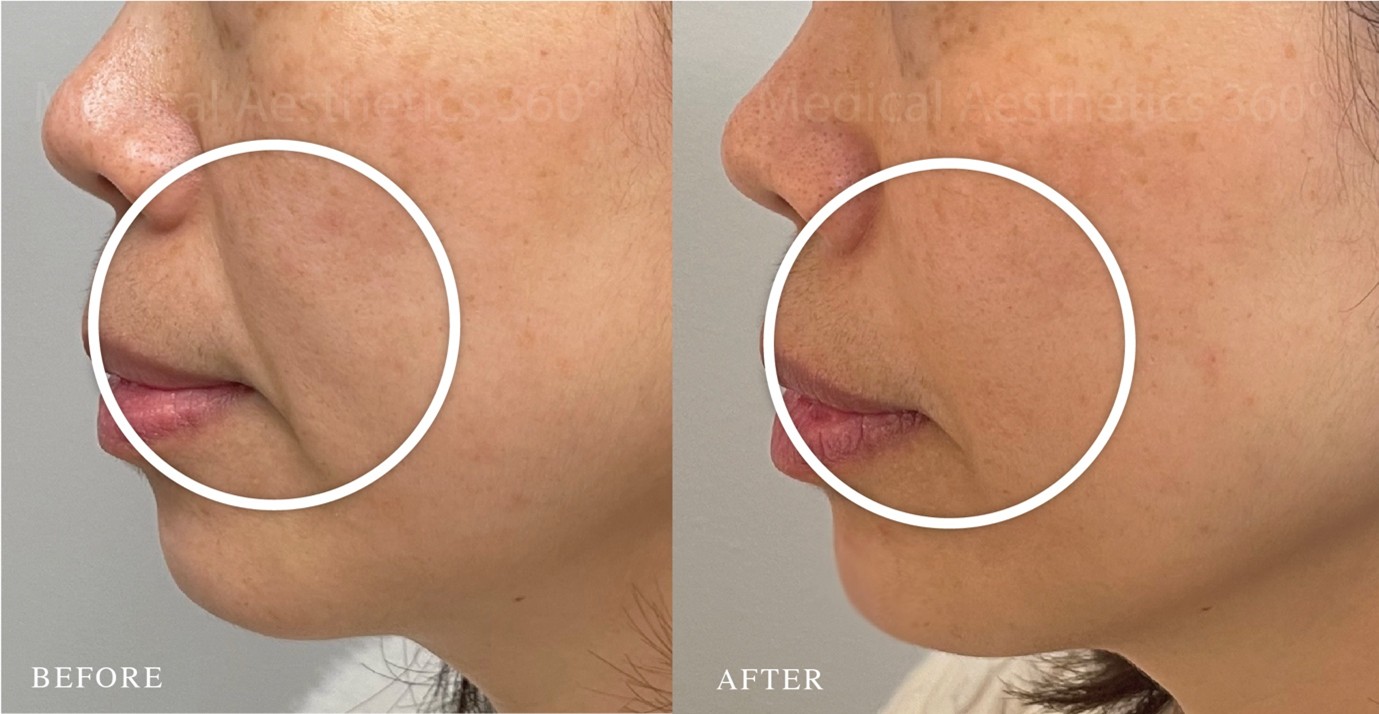
- Jawline (particularly acne-related scarring)
- Earlobes after piercing
These areas experience repeated mechanical stress, which can stimulate ongoing collagen production.
Ear piercing is one of the most common causes of earlobe keloids.
Acne along the jawline, chest and back can trigger inflammatory scars that later evolve into keloids.
Surgical scars across the chest may widen or thicken due to tension forces.
Lower-Risk Areas
- Upper eyelids
- Palms
- Soles
- Certain lower leg areas
These regions have different structural tension dynamics and reduced fibroblast overactivity.
Modern Keloid Management at Medical Aesthetics 360
At MA360, keloid treatment is approached in a staged, structured manner. Monotherapy is rarely sufficient, especially for high-risk tension areas.
1. Intralesional Corticosteroid Injections
Steroid injections help to:
- Suppress excess collagen production
- Flatten raised scar tissue
- Reduce inflammation
- Improve itching and tenderness
Multiple sessions are usually required, spaced several weeks apart.
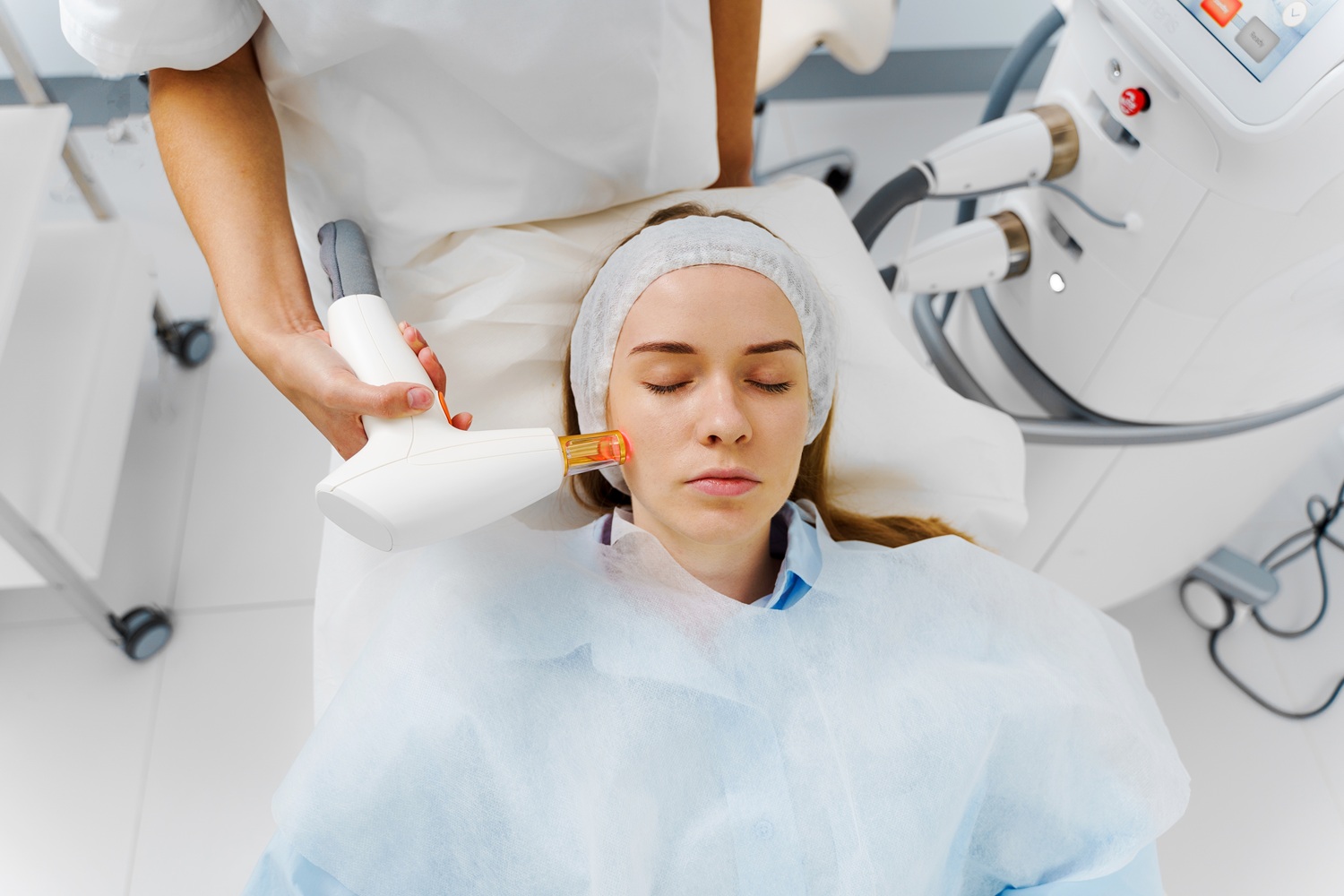
2. Nd:YAG Laser (1064nm)
- Reduce redness and vascular supply
- Improve firmness
- Support remodelling when combined with injections
- Be suitable across various skin types
3. BBL (BroadBand Light)
- Redness reduction
- Post-inflammatory pigmentation improvement
- Improving cosmetic appearance of acne-related scars
4. Surgical Excision (When Appropriate)
Surgical removal may be considered when scars are large, functionally restrictive, or unresponsive to conservative therapy. However, surgery alone carries high recurrence risk, particularly in high-tension areas.
Structured recurrence prevention may include:
- Early post-operative steroid therapy
- Laser modulation
- Silicone therapy
- Tension-minimising closure techniques
Why Early Assessment Matters
- Prevent further thickening
- Reduce long-term recurrence risk
- Improve cosmetic outcomes
- Decrease discomfort
Individualised Scar Management in Sydney
At Medical Aesthetics 360 (Chatswood and Hurstville), scar assessment includes scar age, growth behaviour, anatomical tension forces, previous treatments, skin type and recurrence risk profile.
Keloid Treatment in Sydney – Book a Consultation
If you are concerned about raised scars on the chest, jawline, upper arms, back or earlobes, a personalised consultation can determine the most appropriate management pathway.
All procedures involve risks. Individual results vary. A consultation is required to determine suitability.