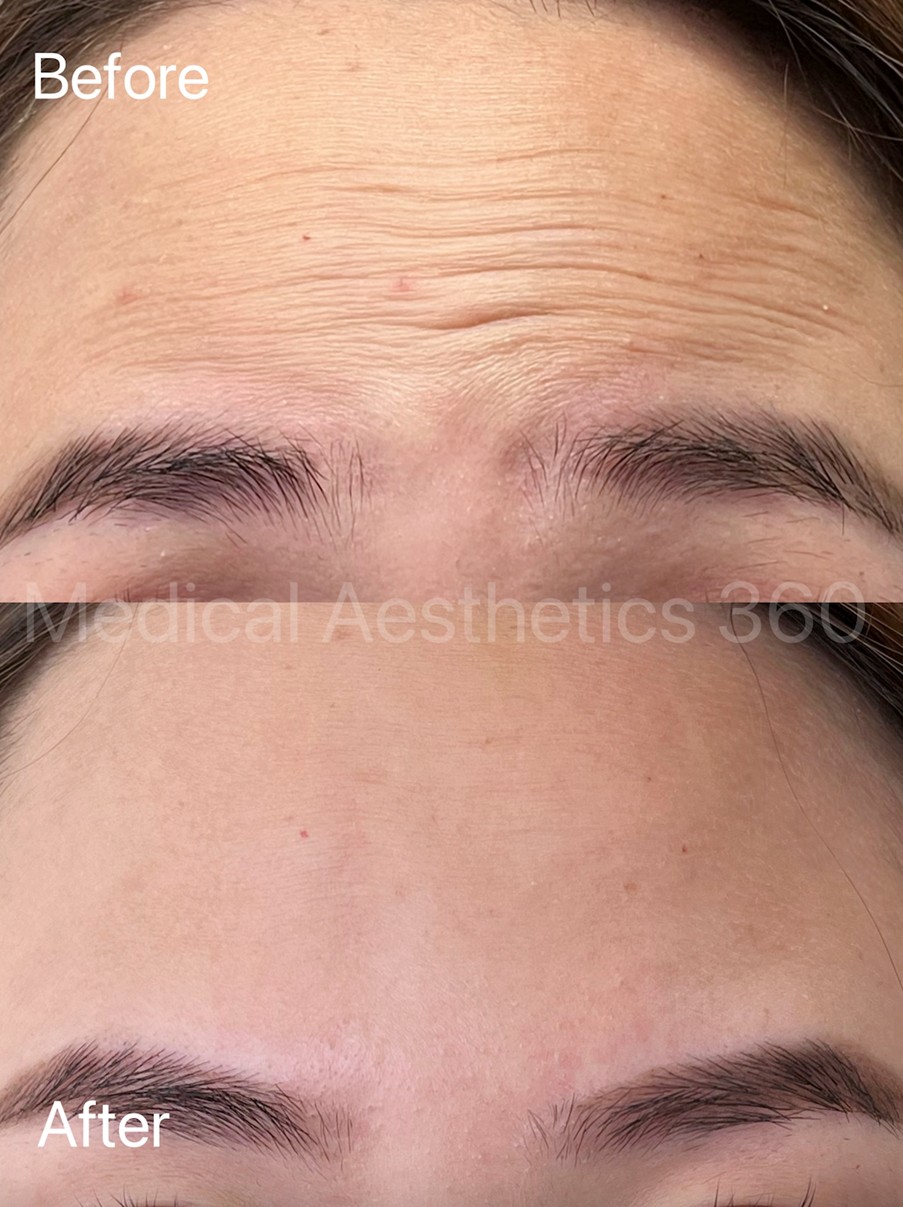
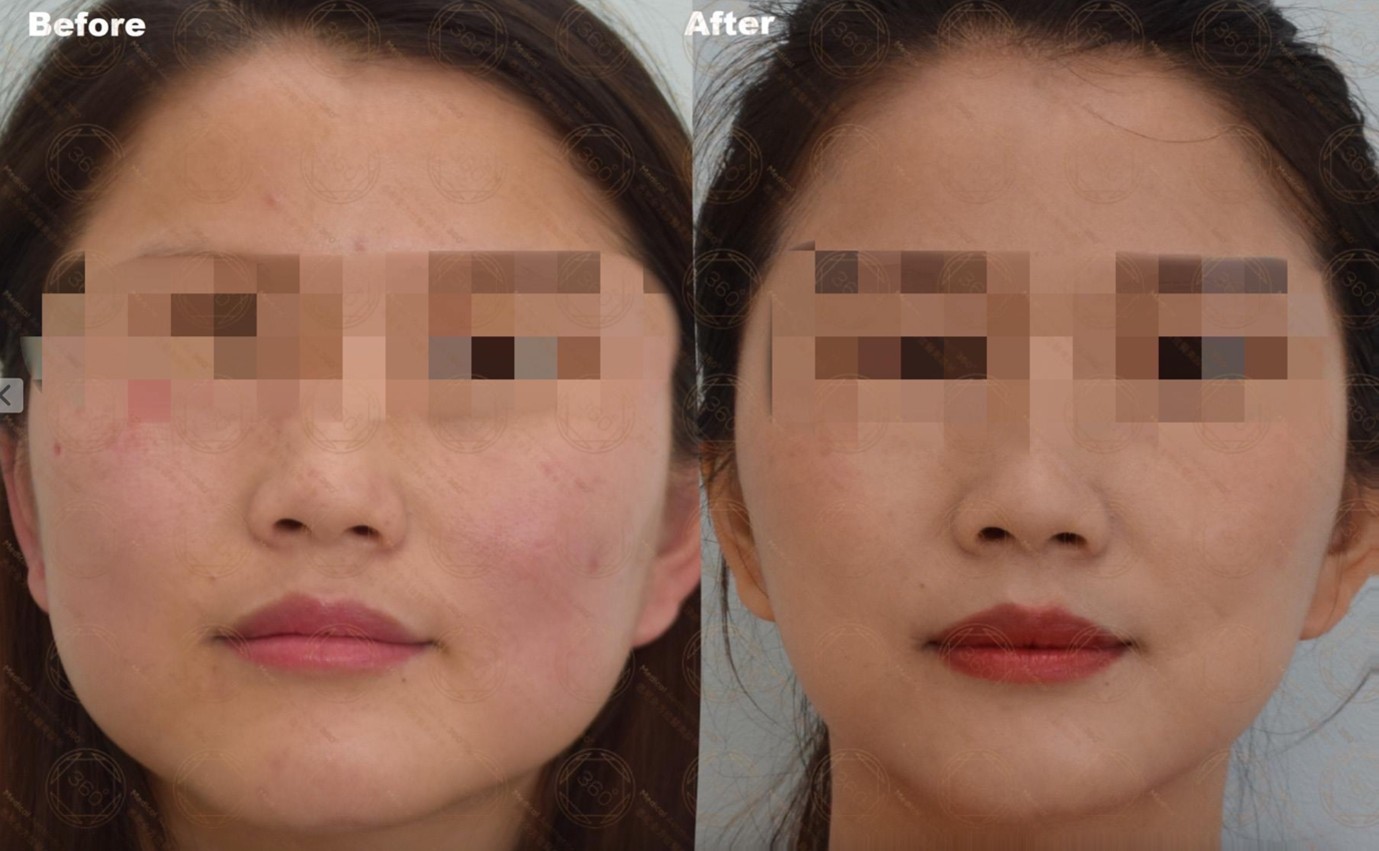
Dark under-eye circles and under-eye lines are common concerns that can make eyes look tired. Importantly, “dark circles” are not one diagnosis, and the best approach depends on the underlying cause in your individual anatomy and skin type.
A consultation typically reviews colour (blue/purple vs brown), skin thickness and texture, and whether shadowing from tear trough anatomy, midface changes or eyelid hooding is contributing. Because factors often overlap, treatment is commonly staged and combined for a natural-looking result.
Why do dark circles happen?
Common contributors include:
- Vascular visibility: prominent small vessels under thin skin can create a bluish or purplish tone.
- Pigmentation: excess melanin may appear brown, especially in certain skin types or with rubbing/allergy.
- Thin or ageing skin: collagen loss reduces dermal support and increases translucency, making underlying structures more visible.
- Fine lines and crepey texture: dehydration and dermal thinning can accentuate lines.
- Volume change and shadowing: tear trough anatomy and midface changes can create a hollow or shadow.
- Skin laxity and eyelid hooding: lax tissue can worsen shadowing and heaviness around the eyes.
Laser options for the under-eye area
Laser treatments may be considered when vascular visibility, pigmentation, or texture contributes to dark under-eye circles.
Vascular laser mechanism: selected wavelengths aim to target haemoglobin within superficial vessels (selective photothermolysis), which may reduce vessel-related blue/purple discolouration in suitable patients.
Pigment-focused laser mechanism: pigment-targeting wavelengths aim to target melanin, which may improve uneven brown tone when pigmentation is a contributor.
Fractional laser mechanism: fractional technologies stimulate collagen remodelling, which may improve crepey texture and soften fine under-eye lines over a series of treatments.
Advantages: lasers can address colour and texture and support gradual, natural-looking change when planned conservatively.
Skin boosters for under-eye lines and thin skin
Skin boosters focus on skin quality rather than structural volume. They may be considered for thin, dehydrated under-eye skin, crepiness and fine lines.
Mechanism: by improving dermal hydration and supporting collagen pathways, skin boosters may enhance smoothness, elasticity and light reflection, which can make the under-eye area appear brighter. Your practitioner may adjust product selection and technique to prioritise subtlety in this delicate region.
Advantages: typically subtle, supportive of fragile skin, and can pair well with laser when appropriately timed.
Biostimulators and Rejuran: deeper skin regeneration
Biostimulators are collagen-stimulating treatments designed to encourage the body’s own collagen production over time.
Mechanism: controlled stimulation of fibroblasts can lead to gradual increases in dermal density and firmness, potentially improving translucency and texture in appropriately selected patients.
Rejuran (polynucleotide-based) supports skin repair processes.
Mechanism: polynucleotides may support tissue repair signalling and fibroblast activity, which may help improve elasticity, resilience and under-eye lines.
Advantages: both approaches focus on skin quality and are often chosen for patients seeking subtle, progressive change.
Under-eye threads (selected cases)
Under-eye threads may be considered in selected cases of mild laxity.
Mechanism: absorbable threads can provide subtle mechanical support and stimulate collagen formation during the healing response.
Advantages: may assist mild laxity and skin quality when appropriately selected, and may be combined with other treatments where clinically suitable.
Supportive measures
Supportive measures may also be discussed, such as gentle skincare, managing allergy-related rubbing, and daily sun protection to help reduce pigment worsening.
Disclaimer: This information is general in nature and does not constitute medical advice. Suitability, risks, side effects and expected outcomes must be discussed during consultation with a qualified medical practitioner. Results vary between individuals, and all procedures carry potential risks.