1. Why Aftercare Matters After Mole, Wart and Skin Tag Removal
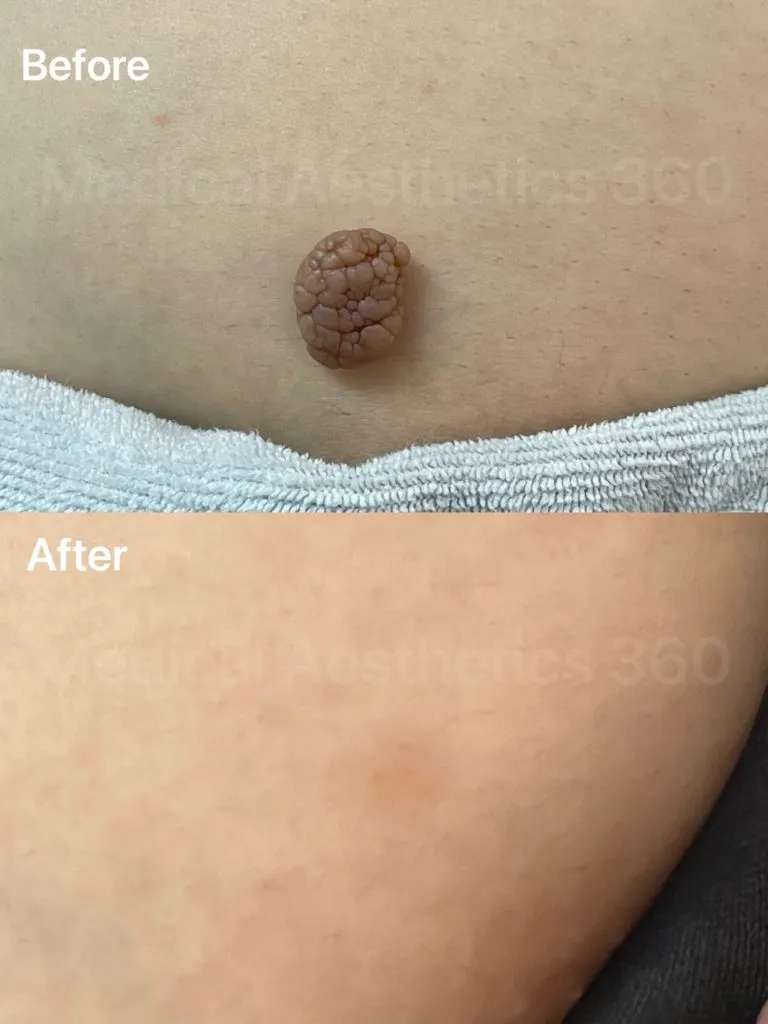
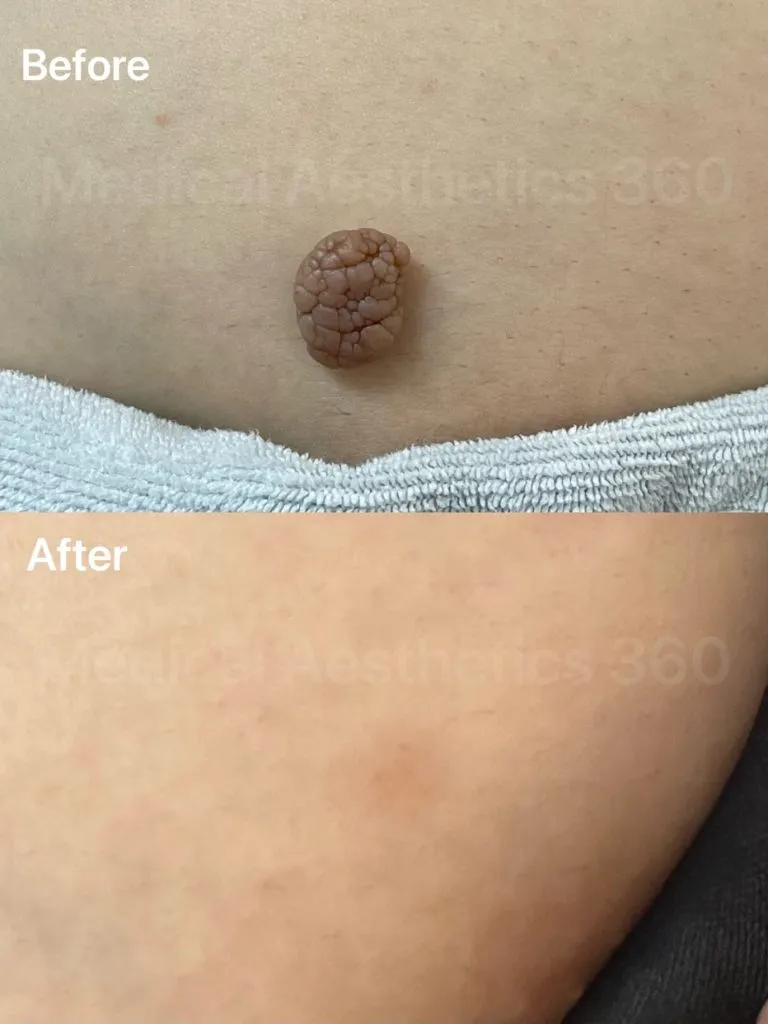
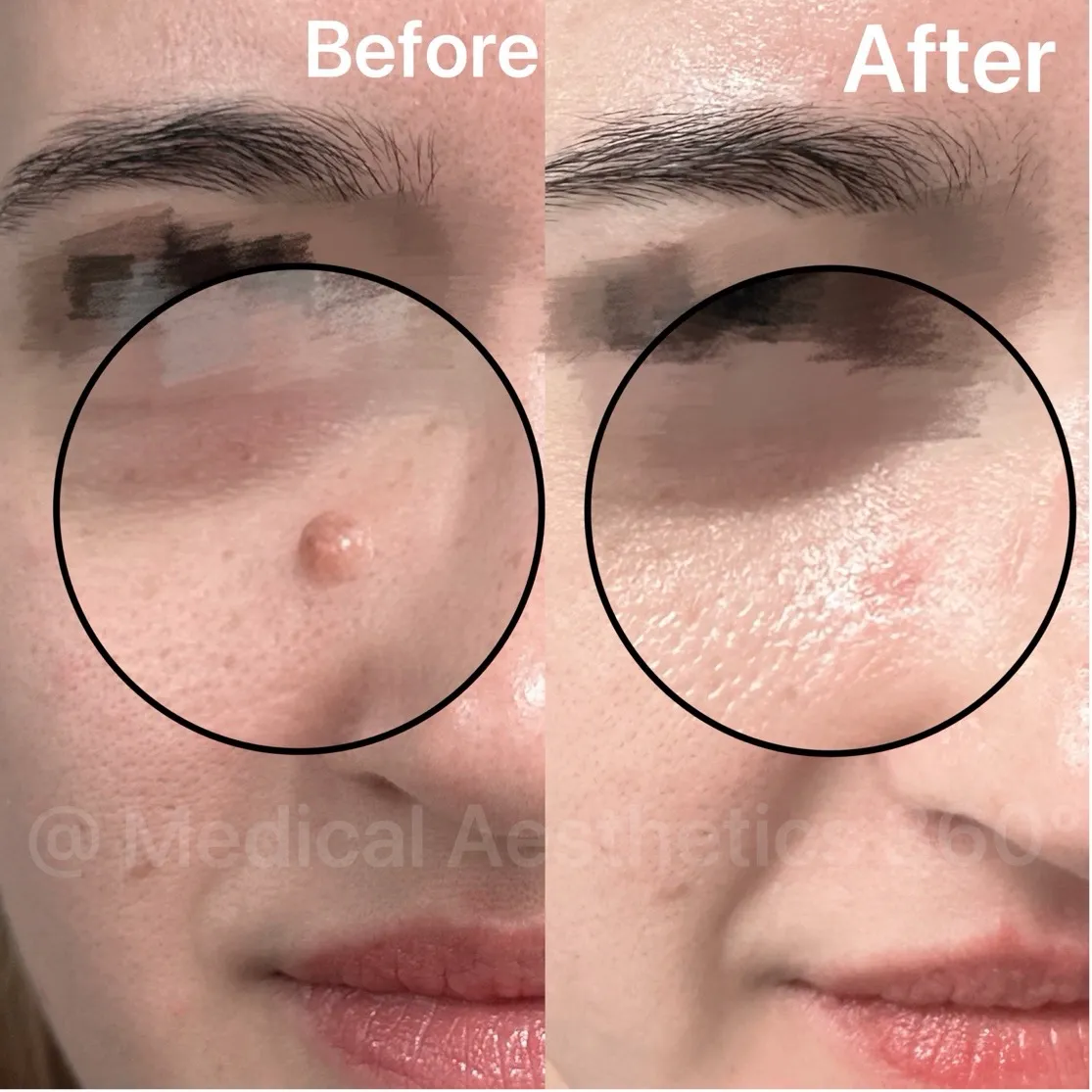
After mole removal, wart removal, skin tag removal or ablative laser treatment, good aftercare helps support smoother healing.
• The main goals are to protect the treated area, reduce irritation, support healthy recovery and lower the chance of unnecessary pigment change.
• Healing continues after the procedure itself, so the way the area is cared for can influence comfort and how the skin settles over time.
• At Medical Aesthetics 360, patients attending our Chatswood, Hurstville and Sydney clinics are reminded that simple aftercare steps can make a meaningful difference.
2. Why Different Areas of the Body Heal Differently
• Healing speed can vary depending on where the treatment was performed.
• The face often heals fastest due to stronger blood supply, while the neck may remain pink or red for longer.
• Arms often heal at a moderate pace, while legs commonly heal more slowly and may stay red or darker for longer.
• High-friction areas such as the underarms, waistline or bra line may take longer to settle because repeated rubbing can prolong irritation.
3. What to Expect During the Healing Process
• In the first few days, mild redness, tenderness and slight swelling can be a normal part of recovery.
• Over the next 1 to 2 weeks, new surface skin gradually forms across the treated area.
• In the weeks to months that follow, the deeper skin continues to remodel and strengthen.
• Because this remodelling phase takes time, the final appearance usually improves gradually rather than all at once.
4. Practical Aftercare Tips for Smoother Recovery
• Keep the area clean and follow your clinician’s instructions for cleansing and dressing changes.
• Keep the treated area protected and comfortably moist if advised, as this can support a calmer healing environment.
• Avoid picking, scratching, rubbing or checking the area too often.
• Pause exfoliants, acids, retinoids and other strong active skincare near the area until healing is complete.
• Use careful sun protection, as early UV exposure can increase the risk of post-treatment pigmentation.
5. Redness, Pigment Changes and When to Seek Review
• Some pinkness or redness after treatment is common, especially in the early healing stage.
• Temporary post-inflammatory hyperpigmentation may appear as brown or grey-brown darkening while the skin heals.
• In most cases scar risk is low when aftercare is followed well, but no skin procedure is completely free of risk.
• Arrange prompt clinical review if you notice increasing pain, spreading redness, heat, pus, fever or worsening swelling.
• Individual healing varies, so personalised advice from your treating clinician at Medical Aesthetics 360 remains important throughout recovery.
Disclaimer – Medical
This article is intended for general educational purposes only and does not replace an in-person consultation. All medical and cosmetic procedures carry risks, and treatment suitability varies from person to person.