


Rejuran Classic
Often discussed for broader facial skin quality, including fine texture, dehydration and an overall loss of resilience.
Broader facial skin planningSometimes the face does not need more volume or a stronger lift. The concern is the skin itself: fine crepiness, rough texture, dehydration, a tired eye area or skin that no longer seems to bounce back as it once did.
Rejuran is an injectable polynucleotide treatment considered for gradual improvement in skin quality. At Medical Aesthetics 360, the starting point is not simply choosing a product. It is working out whether the change you notice comes from the skin surface, scarring, pigmentation, laxity or deeper volume loss, because each needs a different plan.
Arrange a Rejuran Consultation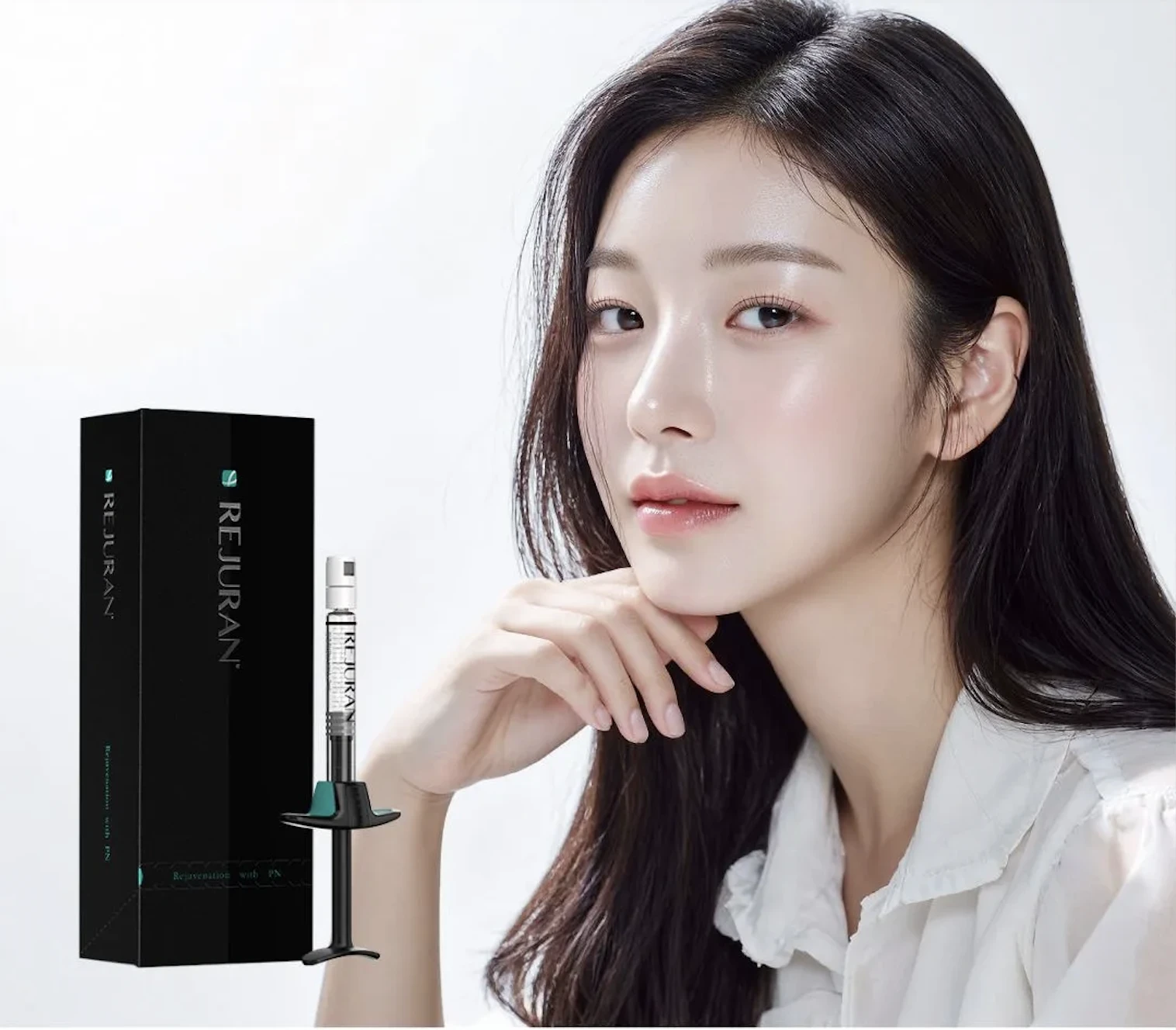
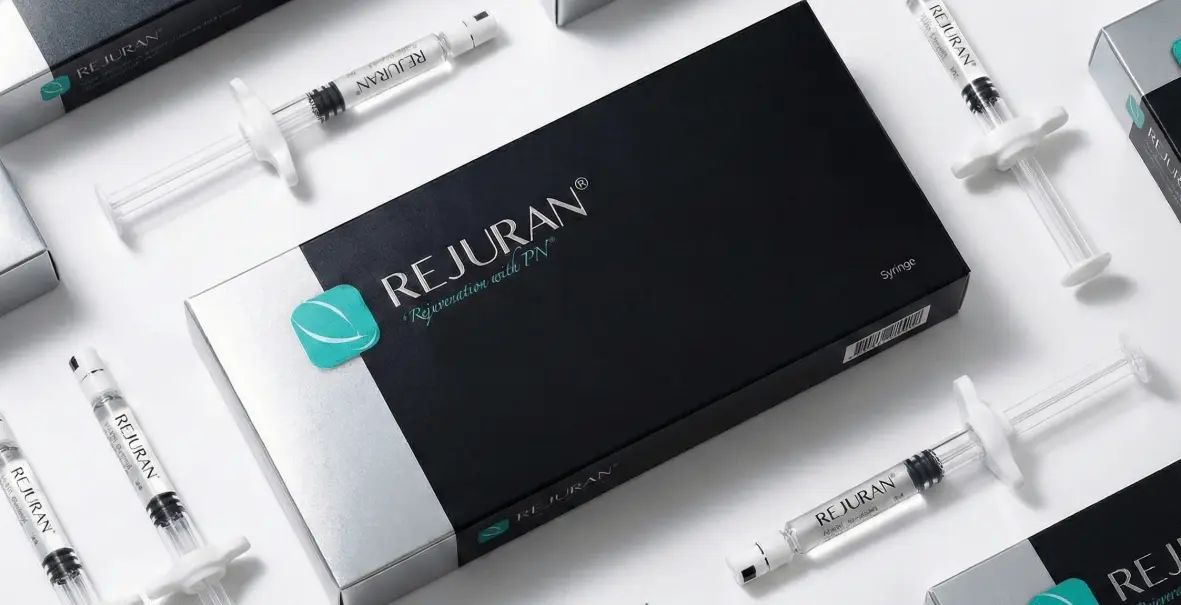
Rejuran belongs to a group of treatments made with polynucleotides. It is generally chosen to support the appearance and behaviour of the skin over time, rather than to replace lost facial volume or reshape a feature.
Researchers propose that polynucleotides may influence repair signalling and the environment around skin cells. That biological explanation is useful, but it is not the same as a guaranteed clinical result. Human studies remain relatively small, which is why realistic assessment matters.
Polynucleotides are long chains of nucleotides, the small building blocks found in DNA. In aesthetic medicine they are placed into selected areas of skin with the aim of supporting gradual improvement in qualities such as texture, elasticity and hydration.
This is different from using a treatment mainly to occupy space beneath the skin. Rejuran may be more relevant when the concern is fine surface change, while hollowness, deeper folds or significant laxity may require another approach.
The distinction is important around the eyes. Fine, crepey skin and true under-eye hollowing can exist together, but they are not the same problem and do not automatically need the same treatment.
The names are less important than the job each option is being asked to do. Selection depends on the treatment area, skin thickness and the nature of the concern.
Often discussed for broader facial skin quality, including fine texture, dehydration and an overall loss of resilience.
Broader facial skin planningDesigned for delicate periocular skin, where fine crepiness or texture is more important than deeper under-eye hollowing.
Fine eye-area skin concernsMay be considered for focal roughness and selected scar-related concerns after the scar type and depth have been assessed.
Targeted texture and scar planningA good consultation sometimes leads to Rejuran, sometimes to a combined plan, and sometimes to a different treatment entirely.
Rejuran may be relevant when the concern is subtle surface quality and the preference is gradual change rather than facial reshaping.
Fine skin may suit a skin-quality approach. Pronounced hollowness, eye bags or pigmentation need separate assessment because they arise from different structures.
Scar depth and shape matter. Rejuran s may form one part of a plan, while tethered, boxcar or ice-pick scars may need release, resurfacing or device-based treatment.
Rejuran does not replace treatment designed for significant looseness, deeper folds or loss of structural support. Those concerns call for a different conversation.
Rejuran is placed through multiple small injections. Small raised bumps, redness and tenderness are therefore expected immediately afterwards and usually settle. Bruising and swelling can also occur, particularly around the eyes, where even modest swelling is more noticeable.
Recovery is individual. It is sensible to avoid scheduling treatment immediately before an important event and to follow the aftercare instructions given for your treatment area.
As with any injectable procedure, less common complications can include infection, prolonged inflammation, nodules, allergic reaction or vascular injury. Your medical history, skin condition, previous procedures and current medications should be reviewed before treatment.
There is no universal schedule that suits every face, product and concern. The number and spacing of sessions should be explained as part of your individual plan.
Your clinician examines skin quality, eye-area anatomy, scar pattern and treatment history to decide whether the issue is truly skin-led.
If Rejuran is suitable, the product type, treatment area, session plan, costs, alternatives and expected downtime are discussed before consent.
Results are judged after early swelling has settled and the skin has had time to respond. Further treatment should depend on progress, not a fixed promise.
A 2025 systematic review identified nine clinical studies involving 219 patients. Several reported improvements in wrinkles, texture and elasticity, with side effects generally described as mild and temporary. That is encouraging, but the studies used different products, injection methods, areas and outcome measures.
The reviewers rated the available studies as low to moderate quality and concluded that better, larger trials are still needed. In practical terms, polynucleotides are promising, but claims should remain measured and no individual result can be predicted from the research alone.
There is a plausible biological rationale and a growing body of positive clinical evidence, but no settled consensus on the ideal product, schedule or technique. Read the systematic review of polynucleotides in aesthetic medicine on PubMed.
Practical answers for patients considering Rejuran in Chatswood or Hurstville.
Rejuran is generally selected for skin quality rather than facial projection or contour. If the main issue is deeper volume loss, another treatment assessment may be more appropriate.
Classic is commonly considered for broader facial skin quality, Rejuran i for delicate periocular skin, and Rejuran s for targeted texture or selected scar concerns. Final selection depends on examination and product suitability.
It is aimed at fine eye-area skin rather than replacing deeper volume. Crepiness, hollowness, pigmentation and eye bags can overlap, so the dominant cause needs to be identified first.
Rejuran s may be considered for selected texture concerns, but acne scars are not one uniform problem. Deeper or tethered scars often need a procedure chosen for their shape and depth, sometimes in a staged plan.
There is no single schedule supported across every polynucleotide product and treatment area. Your plan should reflect the concern, skin response, downtime and review findings.
Rejuran is usually approached as a gradual treatment. Early swelling is not the final result, and meaningful review takes place after the skin has settled and had time to respond.
Visible injection bumps often settle over the following days, but timing varies by area, technique and individual response. Eye-area swelling may be more noticeable even when mild.
Sometimes, but combination treatment should have a clear reason and sensible timing. Texture, scarring, pigmentation and laxity respond to different tools, and doing more at once is not automatically better.
Compare options according to the concern you are trying to solve, then find the Medical Aesthetics 360 location most convenient for you.
Suitability, alternatives, expected recovery and risks are confirmed during an individual consultation. Results and recovery vary between patients.