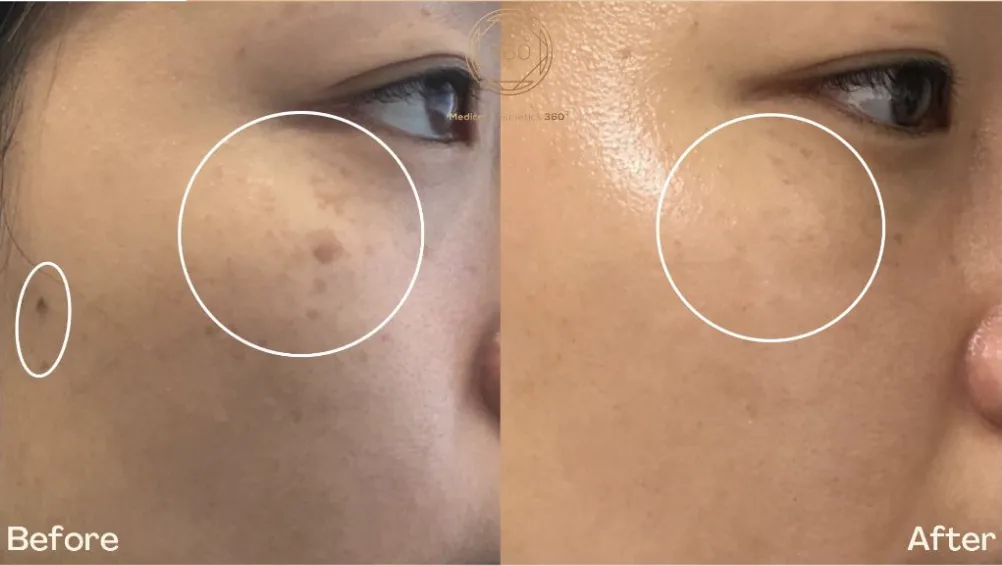
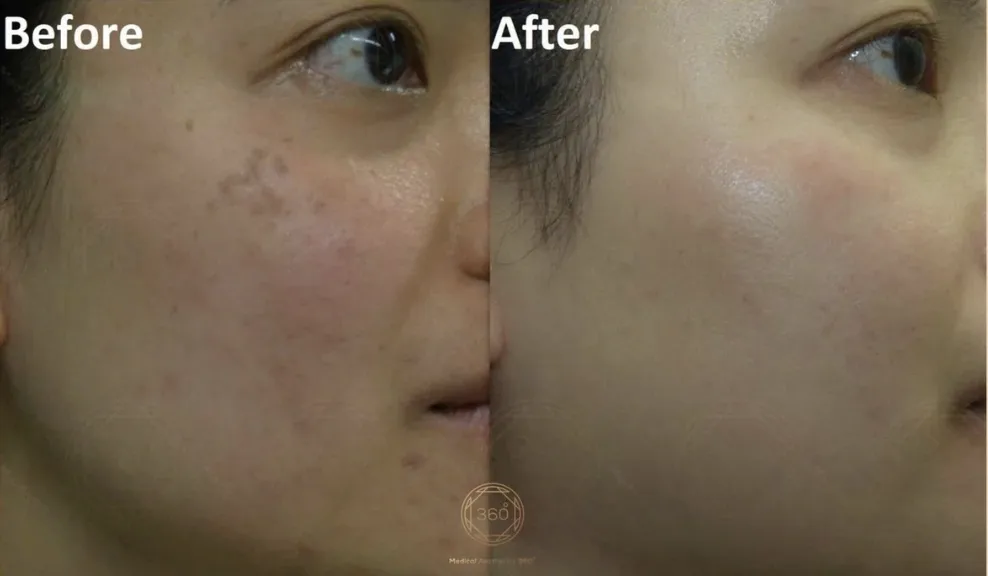
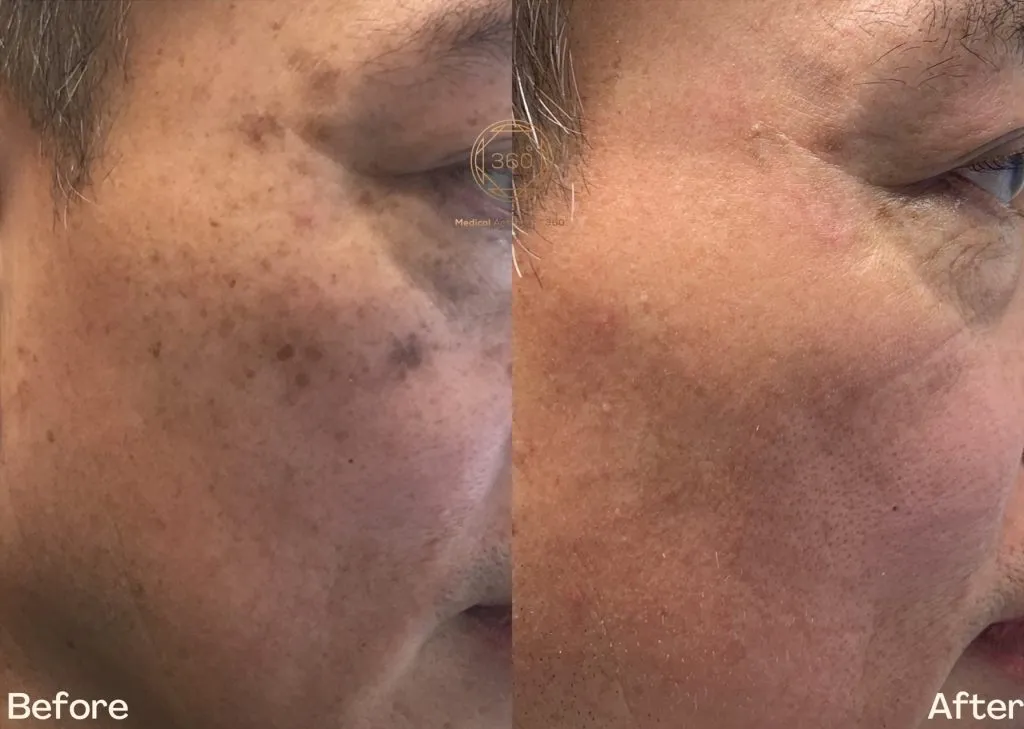
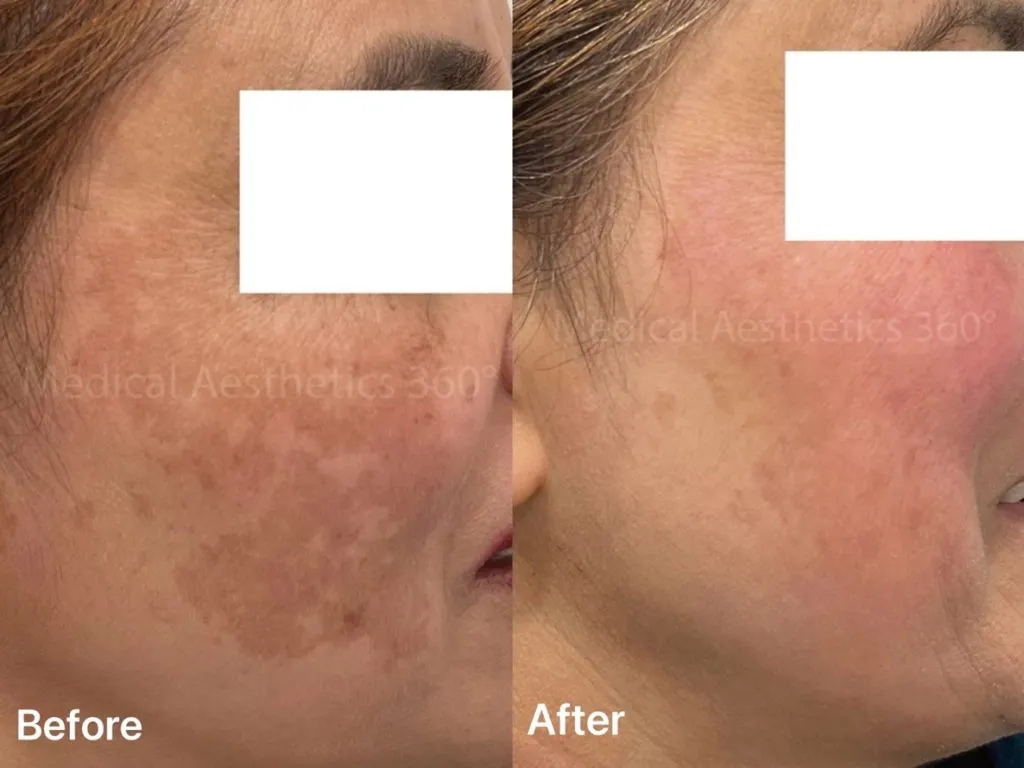
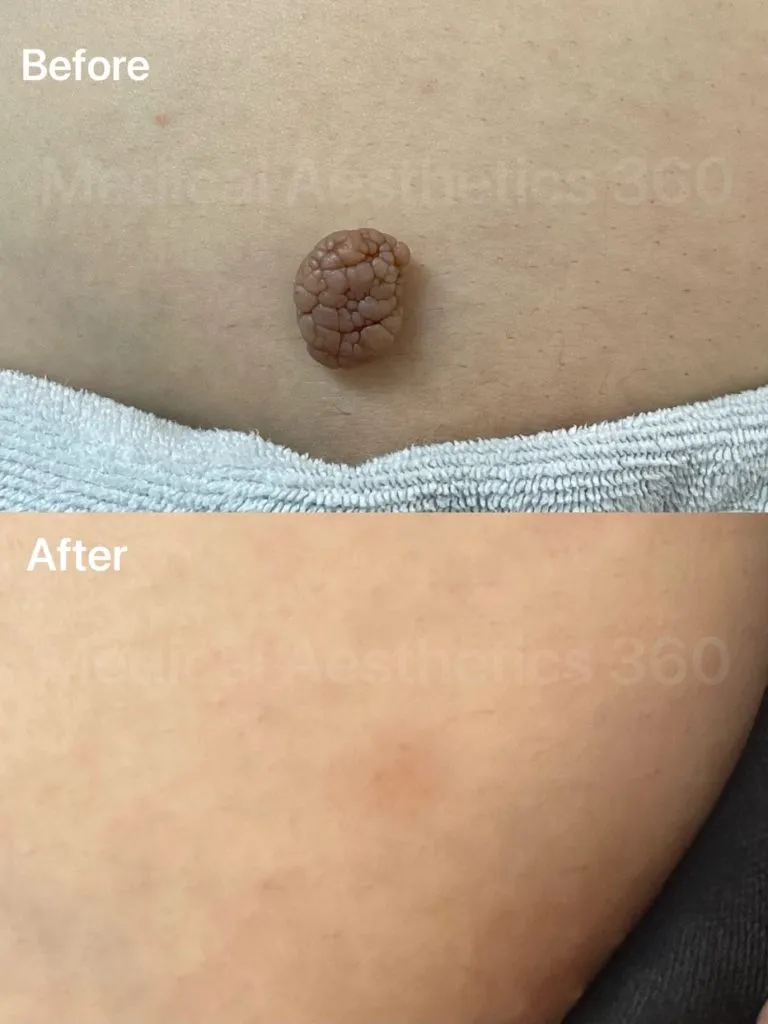
PicoSure uses picosecond laser pulses to target pigment particles. Sciton BBL uses BroadBand Light and is often considered for sun damage, redness or mixed brown and red changes. The table compares these options alongside LaseMD, Fotona 4D, AGNES RF and eCO2, with suitability and recovery discussed at consultation.
Six technologies by concern and recovery
| Option |
Comparison |
| PicoSure |
Concerns: Pigment particles, selected sun spots and uneven tone.
Approach: Picosecond laser pulses target pigment particles.
Recovery: Redness, warmth or temporary pigment darkening; response varies with settings.
|
| Sciton BBL |
Concerns: Sun damage, brown and red colour changes, and redness.
Approach: BroadBand Light across selected wavelengths.
Recovery: Temporary redness, warmth or pigment darkening; settings and skin response matter.
|
| LaseMD |
Concerns: Dullness, mild pigmentation, uneven texture and pores.
Approach: Non-ablative fractional laser.
Recovery: Warmth, dryness or a rough texture for several days.
|
| Fotona 4D |
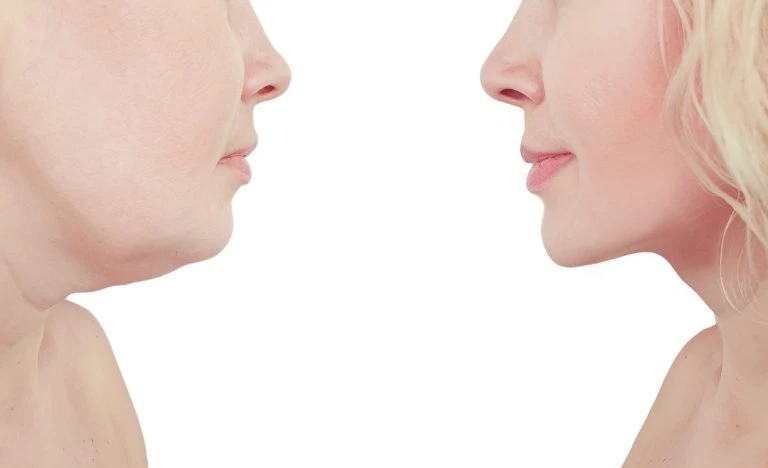
Concerns: Skin firmness, lower-face support and overall skin quality.
Approach: Different laser modes, including modes inside the mouth and externally on the skin.
Recovery: Depends on the selected modes and treatment intensity.
|
| AGNES RF |
Concerns: Selected acne-related and sebaceous-gland concerns.
Approach: Targeted radiofrequency delivered through fine insulated needles.
Recovery: Swelling, redness, tenderness, needle marks or bruising may occur.
|
| eCO2 |
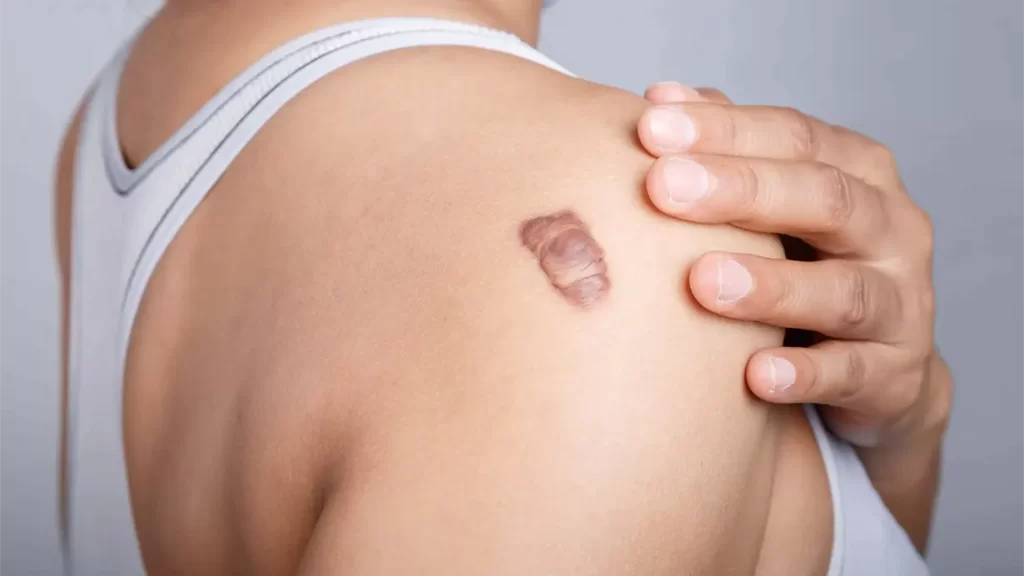
Concerns: Acne scars, deeper texture changes and resurfacing.
Approach: Fractional ablative CO2 laser.
Recovery: Visible redness, swelling, crusting or peeling; requires recovery planning.
|
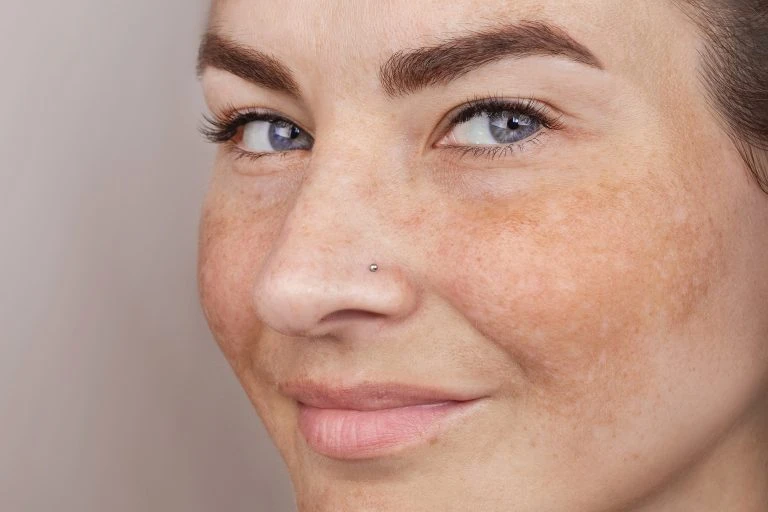
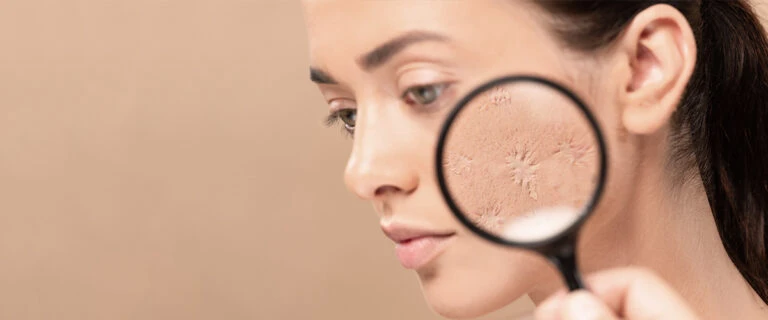
Skin concerns can look similar on the surface, but they may come from very different causes. Brown marks may be sun damage, melasma, freckles, post-inflammatory pigmentation or age-related pigmentation. Redness may be related to visible vessels, rosacea-prone skin, inflammation or acne marks. Uneven texture may come from enlarged pores, acne scarring, collagen loss or surface damage.
This is why a consultation is important before choosing a treatment. A pigmentation laser may not be the right first choice for redness, and a resurfacing laser may not be suitable for unstable melasma. The best result comes from matching the technology to the correct diagnosis, rather than choosing a device based only on its name.
PicoSure, Sciton BBL, LaseMD, Agnes RF, eCO2 and Fotona 4D all work differently. Some target pigment, some target redness, some improve texture, and others support collagen stimulation or resurfacing. The right option depends on skin type, skin concern, downtime tolerance and long-term goals.