


1. What Under-Eye Hollowing Looks Like
Understanding the contour changes that create a tired-looking under-eye
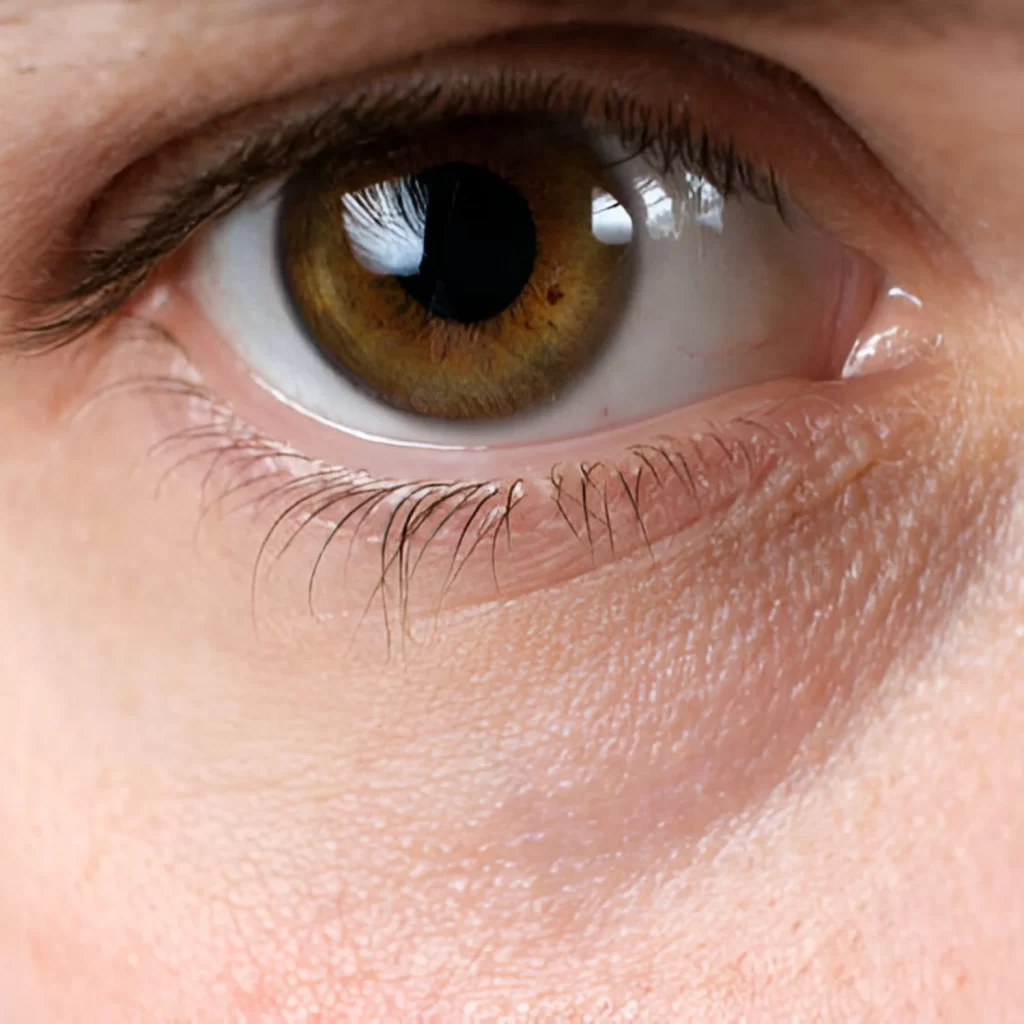
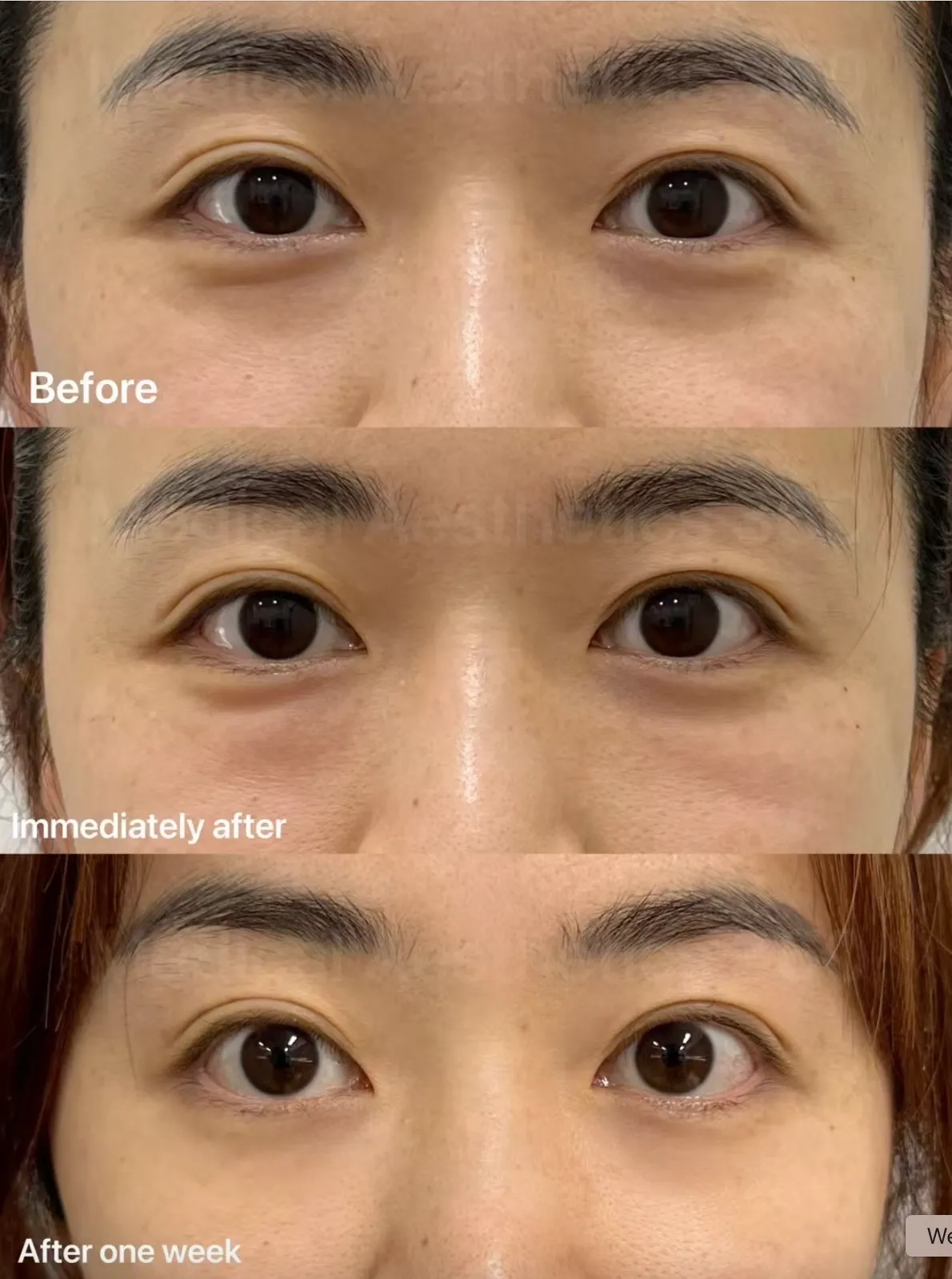
• Under-eye hollowing, often called a tear trough, is a visible dip or groove under the lower eyelid that can create shadowing.
• Many patients feel it makes them look tired, drawn or older than they feel, especially in certain lighting or photographs.
• Some people also notice concealer settling more easily into the area, making the under-eye look less smooth.
• At Medical Aesthetics 360, assessment begins with understanding whether the main issue is contour, skin quality, laxity, tone or a combination of factors.
2. Why Under-Eye Hollowing Happens
Volume loss, skin thinning and tone changes can all contribute
• Under-eye hollowing is rarely caused by one factor alone.
• Common contributors include volume change in the under-eye and upper cheek, thinning skin, reduced collagen, skin laxity and shadowing from contour change.
• Dark circles may also be influenced by pigment, vascular tone or lifestyle factors such as allergies, dehydration, sleep quality and rubbing.
• Because several features may overlap, a natural-looking plan usually starts with identifying what is driving the tired appearance most strongly.
3. The Medical Aesthetics 360 Layered Treatment Approach
Combining complementary treatments often creates the most natural plan
• At Medical Aesthetics 360, under-eye treatment is planned in a layered way rather than relying on a single option for every patient.
• A tailored strategy may include under-skin boosters for hydration, biostimulator approaches for collagen support, Thermage for tightening, Rejuran for regenerative support and laser toning when tone is also part of the concern.
• This multi-modal approach helps keep results balanced, especially when hollowing is linked to both contour change and reduced skin quality.
• The goal is a refreshed look that stays natural and proportionate to the rest of the face.
4. How Different Options Support Different Concerns
Different modalities support hydration, collagen, tightening and tone
• Hydrating and skin-supportive treatments may help when the area looks crepey, thin or makeup settles poorly.
• Biostimulator strategies may be considered when the under-eye tissue has become thinner and would benefit from gradual collagen support.
• Thermage may be helpful when laxity softens the lid-to-cheek transition and contributes to shadowing.
• When dark circles relate to uneven tone as well as contour, laser toning may be included as part of a broader staged plan.
5. What to Expect From an Under-Eye Assessment in Chatswood or Hurstville
A personalised review helps match the plan to your anatomy
• Most patients benefit from a personalised consultation that clarifies whether the main issue is hollowing, pigmentation, laxity or a combination of factors.
• Improvement often happens in stages, with early gains in hydration and texture followed by longer-term support for skin quality and contour.
• Maintenance needs can vary depending on anatomy, skin behaviour and the treatment pathway selected.
• At Medical Aesthetics 360 Sydney, the focus is on natural, balanced treatment planning rather than over-correction.
Disclaimer – Medical
This article is intended for general educational purposes only and does not replace an in-person consultation. All medical and cosmetic procedures carry risks, and treatment suitability varies from person to person.