1. Understanding Pigmentation and Why Accurate Diagnosis Matters
Pigmentation concerns can look similar on the surface, but melasma, age spots, freckles and general hyperpigmentation behave quite differently.
Pigmentation concerns are among the most common reasons patients seek cosmetic consultation. Conditions such as melasma, age spots, freckles and general hyperpigmentation can affect skin tone, confidence and overall appearance. While these forms of pigmentation may look similar, they behave very differently — and understanding those differences is essential for effective treatment and long-term management.
Melasma is a chronic pigment disorder characterised by symmetrical brown or grey-brown patches, most commonly appearing on the cheeks, forehead, upper lip and jawline. Unlike simple freckles or sun spots, melasma is driven by internal biological triggers as well as external factors such as ultraviolet exposure.
2. The Four Types of Melasma
Recognising whether pigment is more superficial, deeper, mixed or influenced by vascular change can help guide expectations and management planning.
- Epidermal Melasma – Pigment is located in the superficial layer of the skin. It often appears more defined and may respond more readily to treatment.
- Dermal Melasma – Pigment sits deeper within the dermis and tends to have a softer, greyish tone. This type can be more resistant to treatment.
- Mixed Melasma – The most common presentation, involving both epidermal and dermal pigment. Management requires a structured and consistent plan.
- Vascular Melasma – In some patients, increased blood vessels and inflammation contribute to pigmentation, highlighting that melasma is not purely a surface pigment issue.
3. Why Melasma Is Not a Stable Form of Pigmentation
Unlike freckles or age spots, melasma is fluctuant and easily re-triggered, so control usually depends on ongoing management rather than a one-off treatment.
Unlike freckles or age spots, which are often relatively stable once formed, melasma fluctuates. Pigment-producing cells in melasma-prone skin are hyper-responsive, meaning the depth of pigmentation can darken or lighten depending on triggers.
- Sun exposure, even brief incidental exposure
- Hormonal fluctuations (pregnancy, oral contraceptives, perimenopause)
- Heat exposure
- Skin inflammation or irritation
- Stress and systemic influences
Because of this instability, melasma requires ongoing management rather than a one-time treatment.
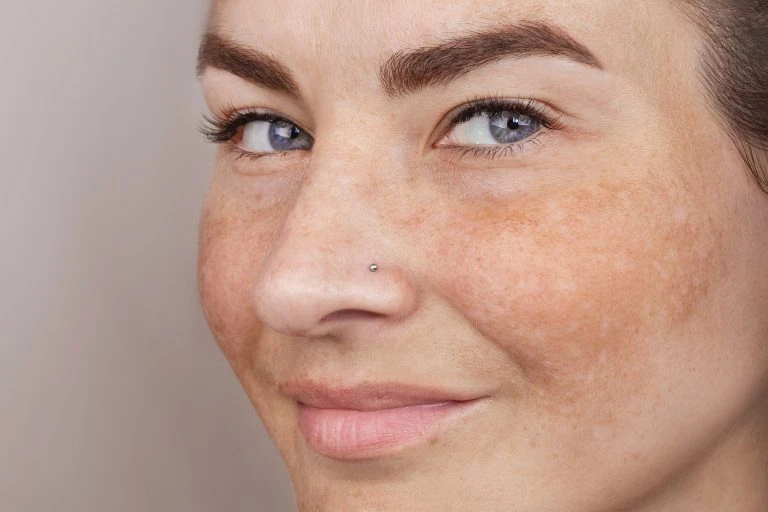
Freckles (ephelides) are small, light brown spots that typically darken with sun exposure and lighten in winter. Age spots, also known as solar lentigines, are sun-induced pigment lesions that tend to remain stable over time. Melasma, however, is hormonally and biologically driven, often symmetrical, and prone to recurrence. This distinction is critical when designing a treatment plan for pigmentation.
4. Realistic Goals and the Importance of Medical Therapy
For melasma, the aim is usually control and lightening to a more manageable level, supported by medical therapy, photoprotection and appropriate skincare.
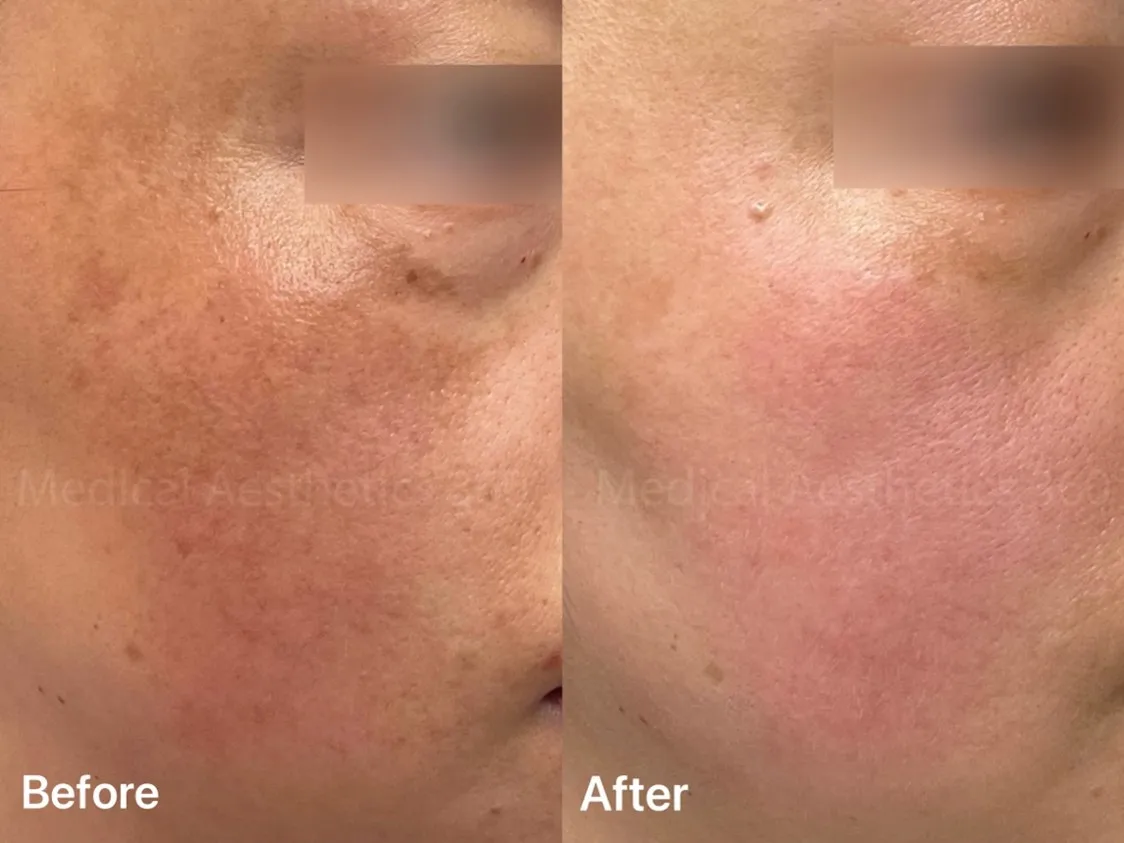
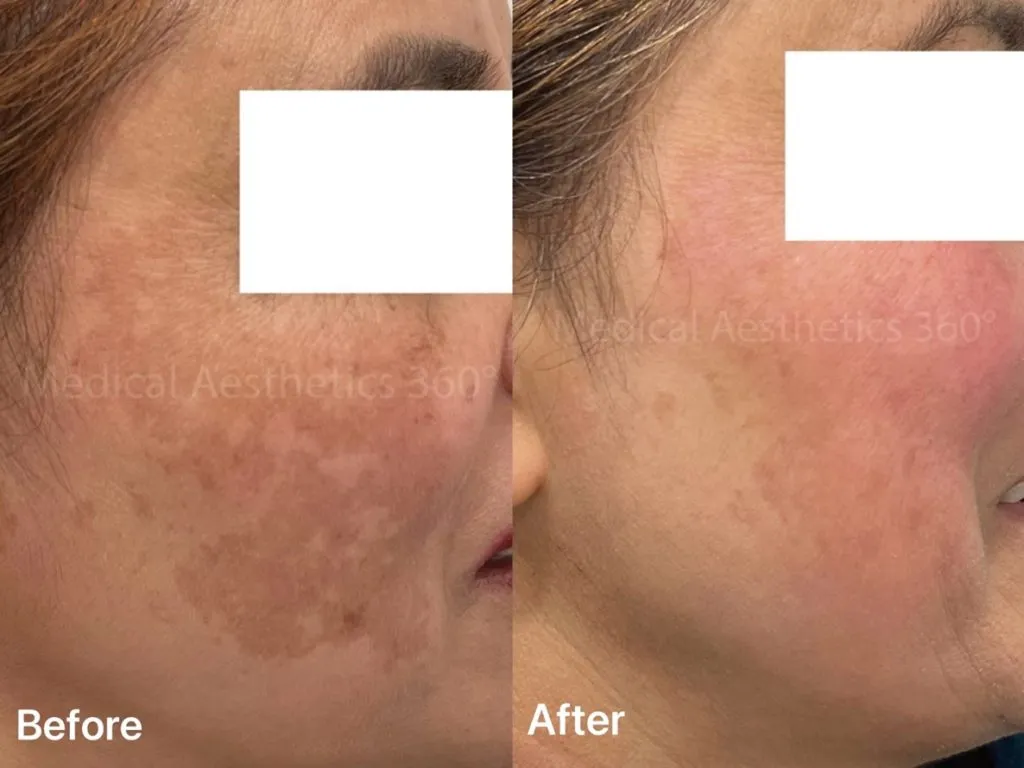
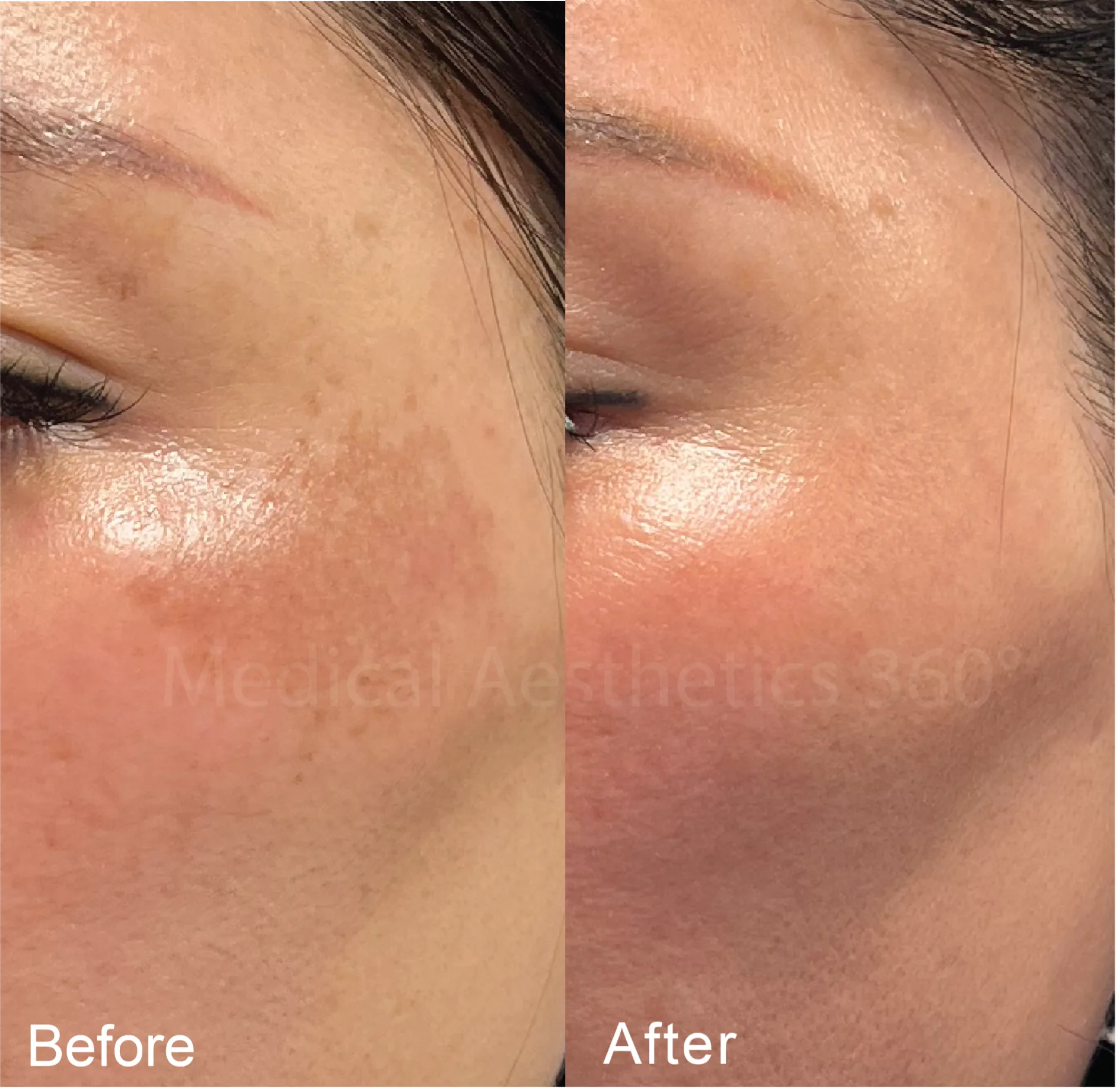
Melasma cannot be completely removed. The goal of treatment is control and lightening — reducing the intensity of pigmentation to a level where it blends naturally with surrounding skin. When melasma is stabilised at a lighter level, the degree of darkness fluctuates within a controlled range rather than returning to its original depth.
For most patients, achieving pigmentation that can be easily covered with light makeup — or appears subtle in everyday lighting — is a very satisfactory and confidence-restoring outcome.
Because melasma involves internal pigment pathways, medical therapy plays an important role in control. Prescription medication may be used to regulate melanin production. In selected cases, medication can be administered under medical supervision, including injectable options where appropriate. These therapies aim to stabilise pigment activity and reduce ongoing stimulation of melanocytes.
Long-term control requires a structured plan combining medical treatment, strict photoprotection and appropriate skincare.
5. Why Experience Matters at MA360
The focus is long-term stabilisation and honest guidance rather than promising complete removal of a condition that is known to recur.
Dr Chun-Yen Huang has been treating melasma, pigmentation, age spots and freckles for more than 10 years. His approach focuses on accurate diagnosis of pigment type, realistic goal setting and long-term stabilisation rather than aggressive short-term correction.
Our aim is not to promise complete removal of melasma, as this is not possible. Instead, we focus on lightening and maintaining pigmentation at a manageable level. With consistent care and appropriate medical guidance, most patients achieve a significant improvement and are very satisfied with the outcome.
Disclaimer – Medical
This article is intended for general educational purposes only and does not replace an in-person consultation. All medical and cosmetic procedures carry risks, and treatment suitability varies from person to person.