1. Understanding Acne Scarring and Why It Happens
A customised plan starts with identifying the scar type, depth and skin behaviour.
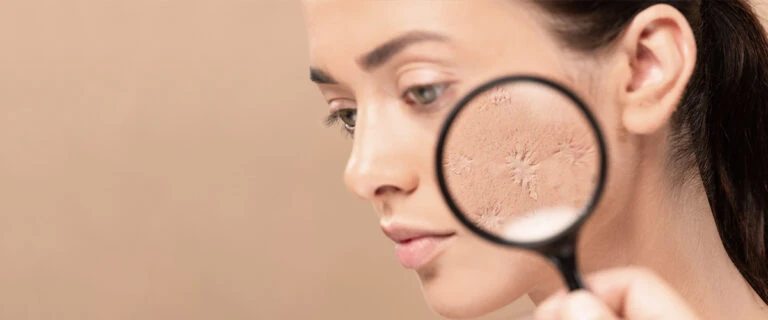
Acne scarring is common after moderate to severe breakouts, especially when inflammation reaches deeper layers of the skin and damages collagen. This can leave behind long-term textural change, unevenness and post-inflammatory marks. At Medical Aesthetics 360 in Sydney, patients from Chatswood, Hurstville and surrounding suburbs are assessed carefully because different acne scars respond to different treatments.
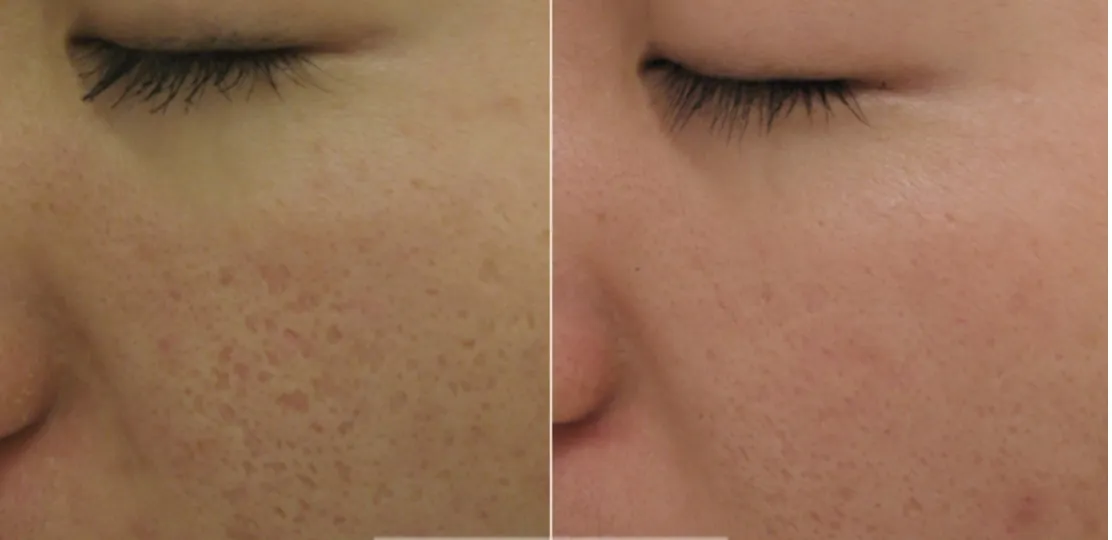
Common scar types seen at MA360 include ice-pick scars, box-car scars, rolling scars, hypertrophic scars and residual red, brown or dark post-inflammatory marks. Because each type forms differently, effective acne scar treatment should never rely on a one-size-fits-all approach.
- Ice-pick scars: narrow, deep, V-shaped scars that resemble small holes.
- Box-car scars: wider pits with sharper edges.
- Rolling scars: broader depressions with gentle slopes and an undulating surface.
- Hypertrophic scars: raised, thicker scar tissue above the surrounding skin.
- Post-inflammatory colour change: red, brown or dark marks left after acne.
2. Doctor-Led Assessment at Medical Aesthetics 360
Doctor planning, tailored parameters and team-based delivery help create a structured treatment pathway.
All acne scar treatments at Medical Aesthetics 360 begin with a full doctor consultation. During this assessment, the doctor examines scar type, scar depth, skin thickness, skin sensitivity and the overall condition of the skin before selecting the right mix of technologies, treatment intensity and intervals.
At MA360, dermal therapists perform treatment strictly according to doctor-set parameters. This doctor-led model supports consistency, safety and a more refined treatment pathway for patients seeking acne scar treatment in Chatswood, Hurstville and across Sydney.
3. Advanced Treatment Options for Different Acne Scar Types
Multi-layer treatment is often the most effective way to improve texture, depressions and scar visibility.
Medical Aesthetics 360 uses multiple evidence-based technologies to target acne scarring at different depths of the skin. Combination treatment is often the most effective approach because rolling scars, box-car scars, ice-pick scars and raised scars usually require different strategies.
- Fractional Erbium YAG laser (approx. 60 minutes): helpful for rolling scars, box-car scars and shallower ice-pick scars by resurfacing the skin and stimulating collagen.
- Morpheus8 radiofrequency microneedling (approx. 40 minutes): useful for rolling scars, larger depressions and scars made more visible by laxity by remodelling deeper tissue.
- Fractional CO₂ laser (approx. 60 minutes): suitable for more severe or long-standing acne scarring and deeper box-car scars, with longer downtime but stronger resurfacing potential.
- Professional microneedling (approx. 40 minutes): a versatile option for mild to moderate atrophic scars, rough texture and enlarged pores.
- Polynucleotide skin rejuvenation (approx. 30 minutes): supports repair, elasticity and skin quality in thin, fragile or dehydrated skin, before or after energy-based treatment.
- Volume restoration for atrophic scars (approx. 30 minutes): carefully supports deeper rolling or box-car scars from beneath to soften shadows and improve blending with surrounding skin.
- Steroid treatment for raised scars (approx. 10 minutes): helps soften excess tissue and flatten hypertrophic scars gradually.
- TCA CROSS for deep ice-pick scars (approx. 20 minutes): places high-strength TCA precisely into deep narrow scars to stimulate local collagen production.
4. Results, Recovery and Aftercare
Most improvement is progressive, with texture refinement building over weeks to months.
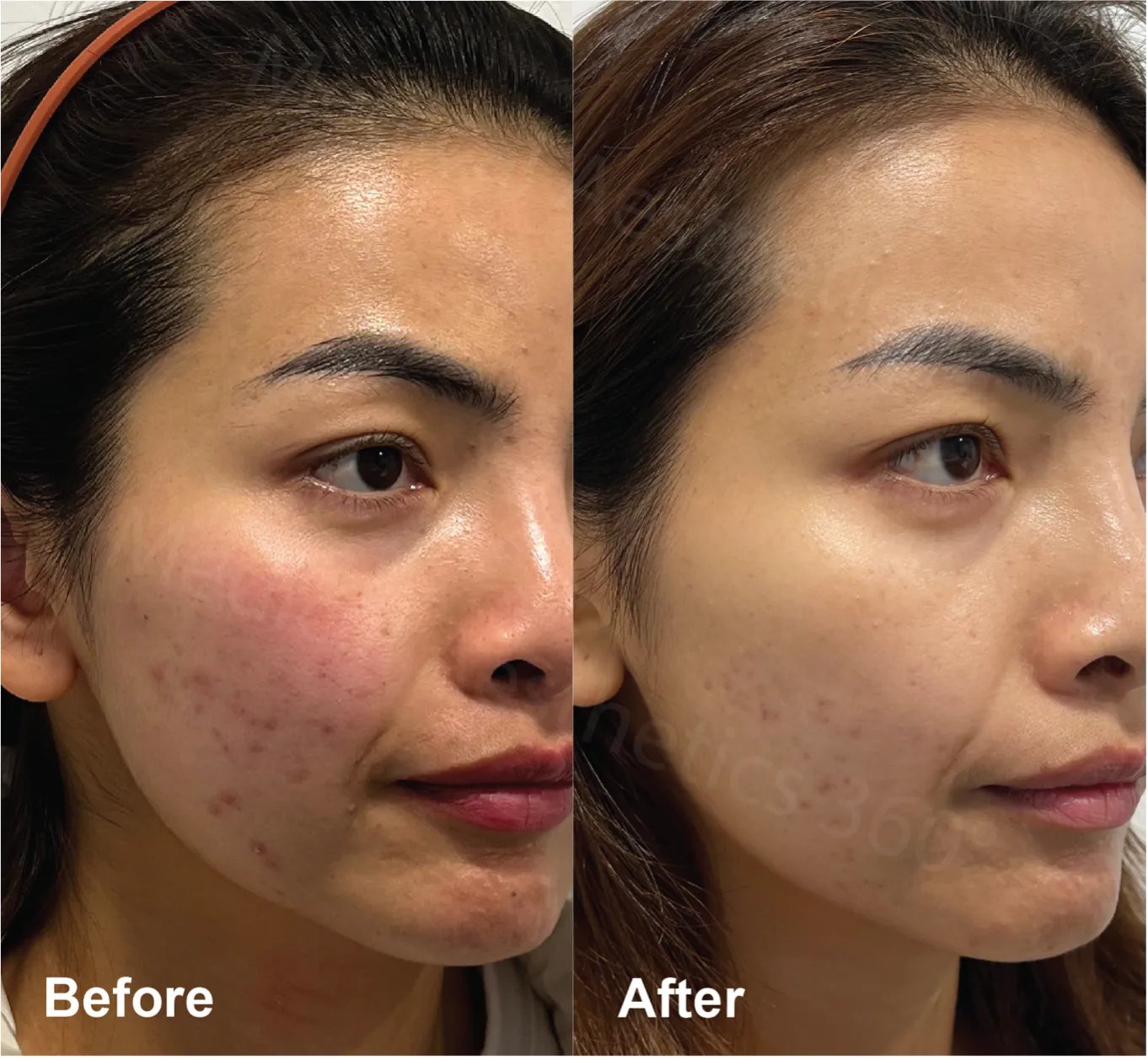
Many patients begin to notice smoother texture and brighter skin within the first few weeks, while collagen remodelling continues over the following months. Depending on scar severity and skin type, a series of sessions spaced around 4–8 weeks apart is usually recommended for more meaningful improvement.
Typical recovery varies according to treatment depth. Fractional CO₂ laser may involve around 7–14 days of visible redness, dryness and flaking. Erbium YAG, Morpheus8, microneedling, polynucleotides and TCA CROSS more commonly involve around 5–7 days of mild redness, roughness or dryness.
- Keep the skin moisturised with gentle occlusive products such as silicone gel or Vaseline where advised.
- Avoid aggressive cleansing and scrubbing for the first 48 hours.
- Do not pick, peel or scratch flaking skin or crusting areas.
- Protect the skin from heat and direct sun, and use broad-spectrum sunscreen once the barrier has recovered.
5. Why Choose MA360 in Sydney for Acne Scar Treatment
Chatswood and Hurstville consultations are designed around natural, progressive and medically guided improvement.
Patients choose Medical Aesthetics 360 because the clinic combines doctor-led assessment, a full suite of acne scar technologies and a structured treatment pathway under medical direction. Available options include fractional lasers, radiofrequency microneedling, TCA CROSS, polynucleotide support and targeted treatment for both depressed and raised scars.
MA360 offers two convenient Sydney locations in Chatswood and Hurstville, with a focus on natural-looking, progressive improvement rather than over-aggressive resurfacing. If acne scarring is affecting your confidence, a consultation can help clarify suitable options, expected downtime, realistic results and the best step-by-step plan for your skin.
All acne scar treatments are medical procedures and require assessment by a qualified practitioner. Results vary and cannot be guaranteed. Potential risks include redness, swelling, bruising, pigmentation changes, infection and changes in scarring.
Disclaimer – Medical
This article is intended for general educational purposes only and does not replace an in-person consultation. All medical and cosmetic procedures carry risks, and treatment suitability varies from person to person.