


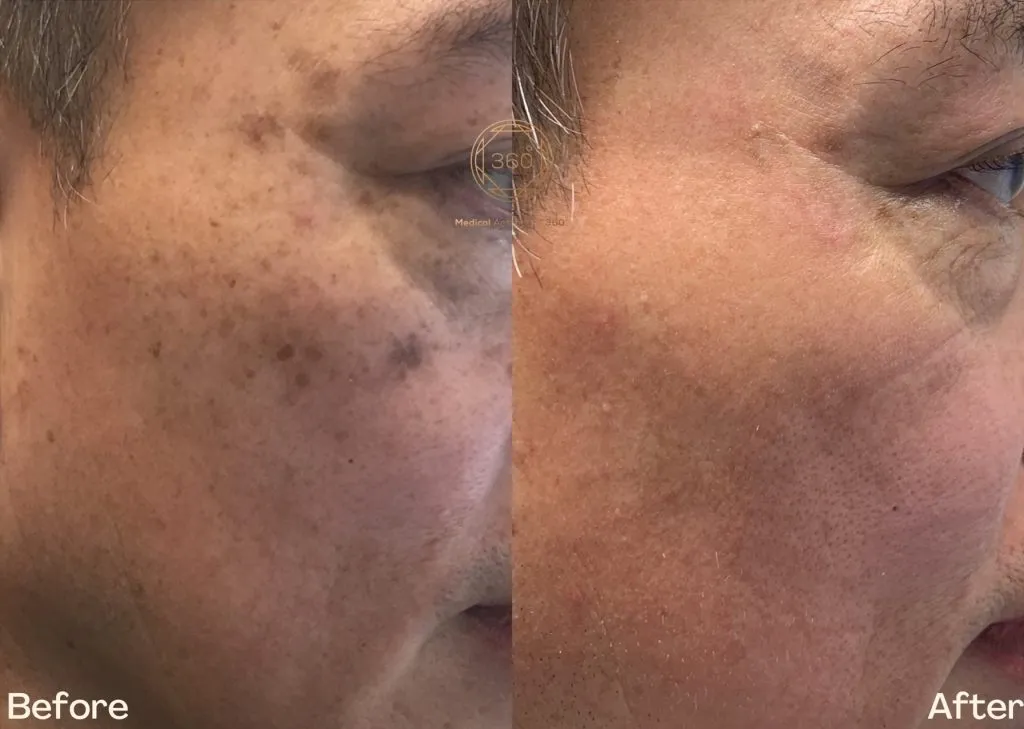
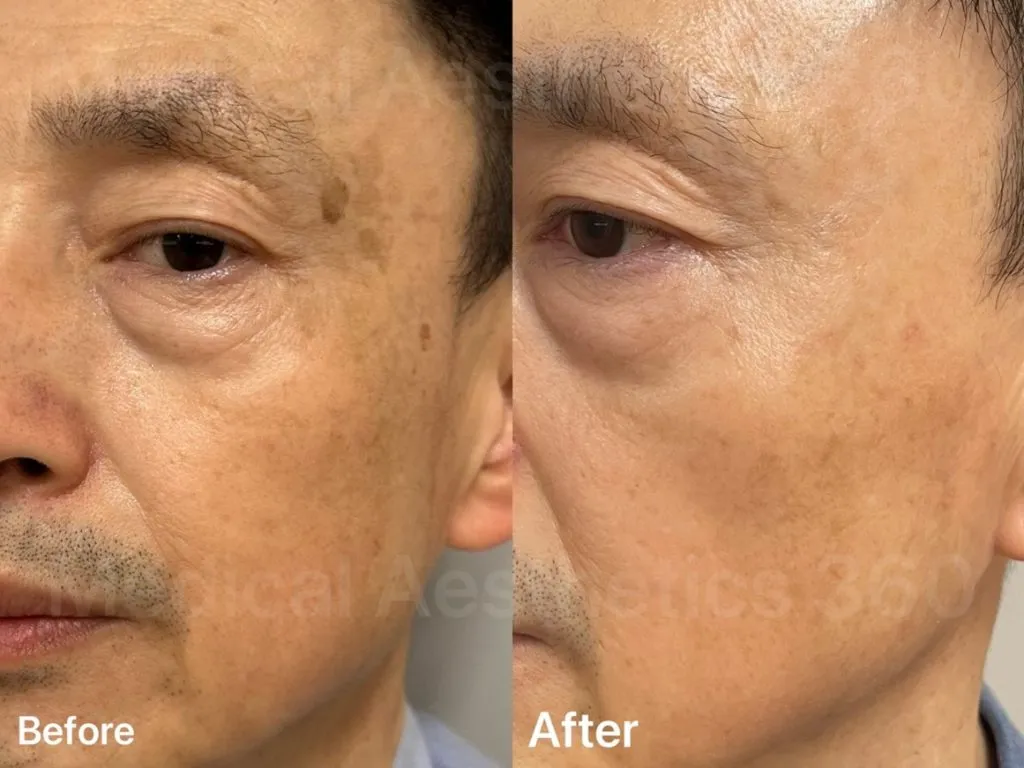
1. Why an Accurate Pigment Diagnosis Comes First
Correct diagnosis shapes the safest treatment pathway
• Pigmentation is common and often treatable, but the most important first step is identifying exactly what type of pigment is present.
• Melasma, sunspots, freckles and other pigment concerns can look similar on the surface while behaving very differently under treatment.
• At Medical Aesthetics 360, doctors in Chatswood and Hurstville are responsible for confirming the diagnosis and recommending the safest treatment pathway.
• Treating the wrong pigment type too aggressively can worsen inflammation and increase the risk of rebound pigment.
2. Understanding the Main Pigment Categories
Surface pigment, deeper pigment and melasma behave differently
• Epidermal pigmentation sits closer to the skin surface and often responds more quickly in suitable cases.
• Dermal pigmentation sits deeper in the skin and usually improves more gradually over time.
• Melasma is a special category because it is often chronic, trigger-driven and more likely to flare with heat, UV exposure, hormones or irritation.
• This is why the same device or treatment schedule is not appropriate for every type of pigmentation.
3. The Three Doctor-Selected Treatment Pathways
Treatment plans vary depending on depth, stability and lesion type
• Surface-based pigment plans are often used for concerns such as freckles or selected sunspots when the pigment is mainly epidermal.
• Dermal pigment and melasma-safe plans usually focus on slower, lower-inflammation improvement and long-term stability.
• Lesion removal plans may be considered when the concern is a discrete spot or raised lesion rather than generalised pigmentation.
• Your doctor will decide which pathway is most appropriate based on pigment depth, stability, skin type and healing risk.
4. What to Prepare Before Your Consultation
A little preparation helps make your assessment more accurate
• Arrive with minimal makeup if possible, especially over the area of concern.
• Avoid tanning and heavy sun exposure for 2 to 4 weeks before your appointment.
• Bring a list of your current skincare, medications, supplements and any previous laser, peel or pigment treatments.
• Let the clinic know if you are pregnant, breastfeeding or planning pregnancy, as this may affect treatment planning.
5. What Patients Can Expect From a Medical Aesthetics 360 Assessment
What your doctor will assess and explain at your visit
• A consultation at Medical Aesthetics 360 focuses on confirming the diagnosis, explaining expected timelines and outlining the safest staged plan.
• Patients seen in Chatswood, Hurstville and wider Sydney are guided on pigment behaviour, treatment logic and maintenance requirements.
• For melasma-prone or PIH-prone skin, conservative planning and trigger control are often essential parts of the strategy.
• The goal is not just brighter skin, but safer, steadier and more predictable long-term pigment management.
Disclaimer – Medical
This article is intended for general educational purposes only and does not replace an in-person consultation. All medical and cosmetic procedures carry risks, and treatment suitability varies from person to person.