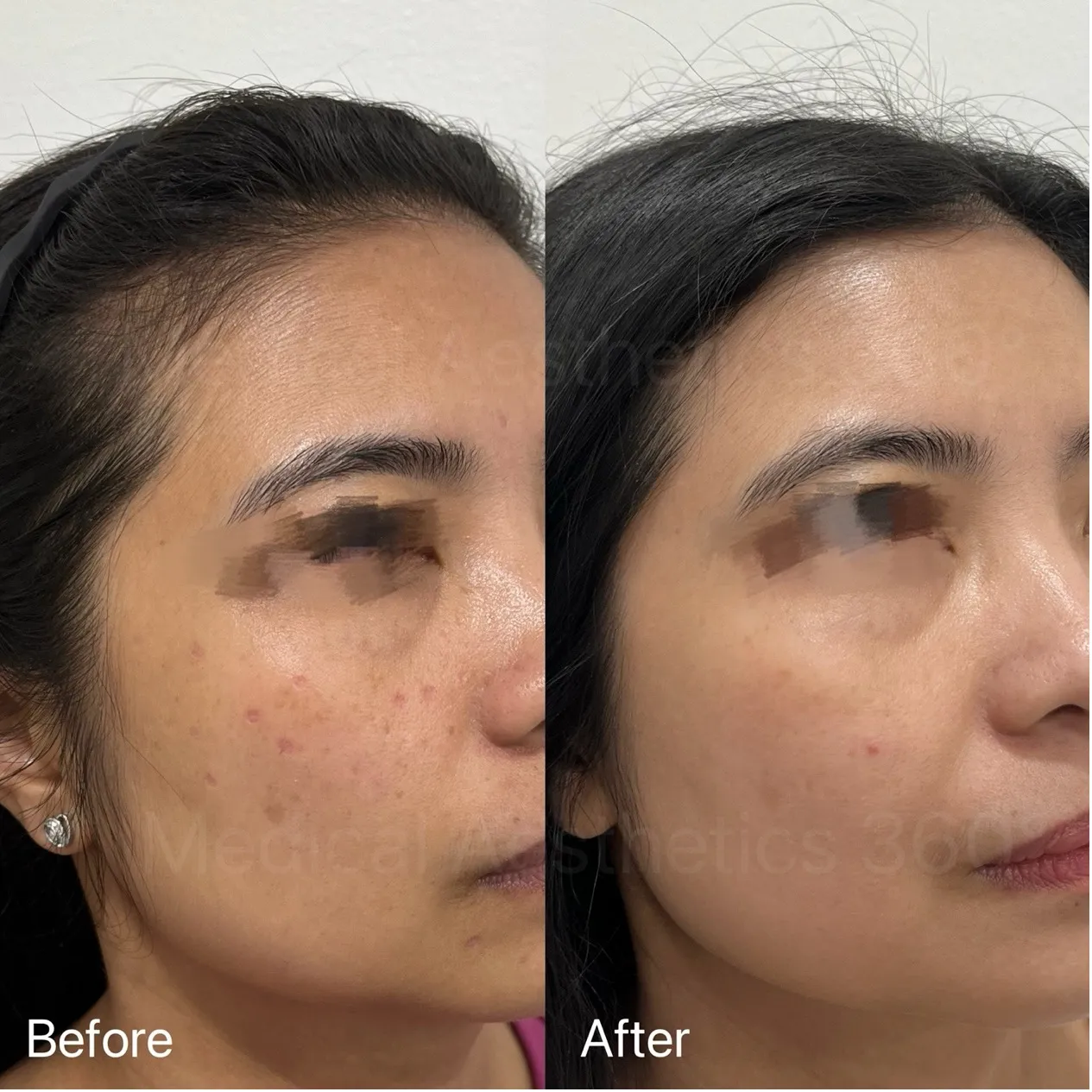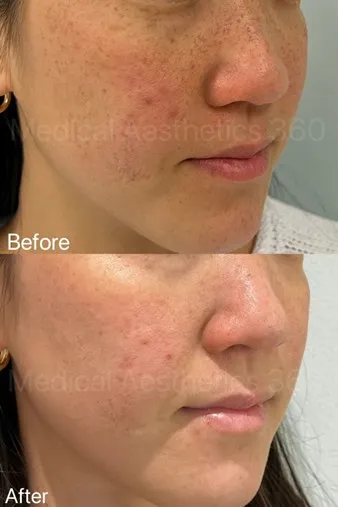
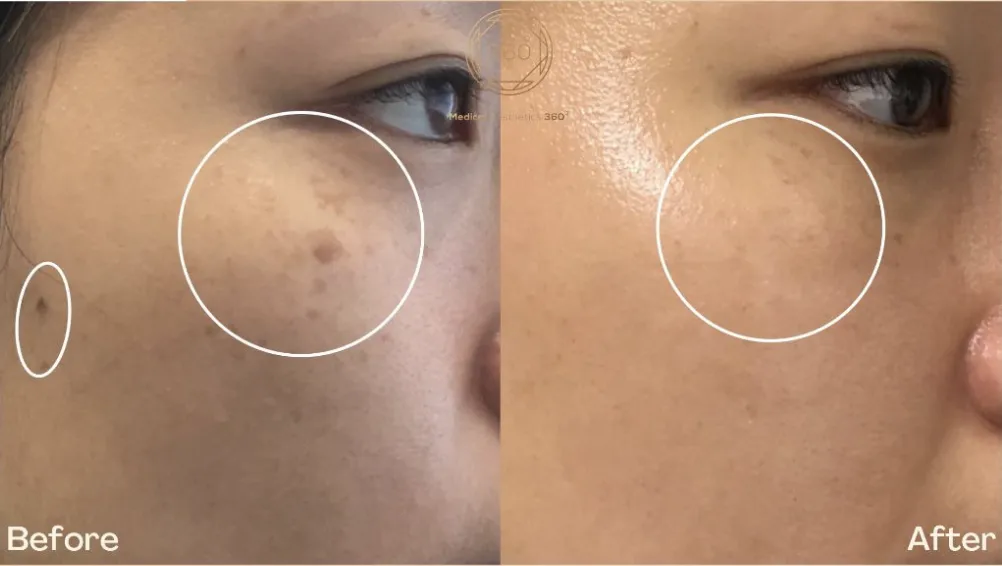
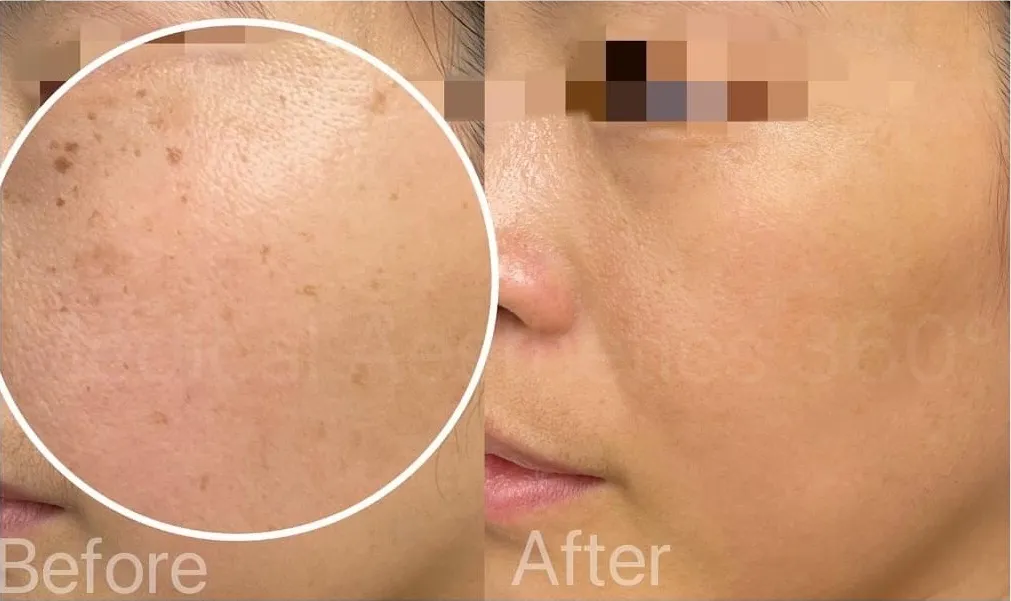
1. Why Pigmentation Treatment Requires Expertise, Not Just a Machine
The best device depends on diagnosis, not just branding
• Pigmentation is not one single condition and may include freckles, solar lentigines, melasma, post-inflammatory hyperpigmentation, Hori’s naevus, Becker’s naevus and mixed-depth pigment.
• Each of these concerns can respond differently to laser, light and heat-based treatment.
• At Medical Aesthetics 360, doctor-led planning in Chatswood and Hurstville focuses on diagnosis, wavelength selection, treatment spacing and inflammation control.
• This is why the best pigmentation laser in Sydney is not decided by machine name alone.
2. How Wavelength Selection Changes the Plan
Pigment depth and PIH risk both influence wavelength choice
• Wavelength choice is based on pigment depth, melanin absorption, skin type and the patient’s risk of post-inflammatory hyperpigmentation.
• 1064 nm is often considered for deeper or PIH-prone presentations, while 755 nm and 532 nm may be used more selectively depending on the pigment target and overall risk profile.
• Different wavelengths interact with the skin differently, which is why two patients with brown spots may still need different treatment plans.
• A more conservative wavelength choice may sometimes require more sessions, but can better support long-term stability.
3. Pico, Nano, Long Pulse and IPL: What Patients Should Really Know
Technology type matters, but treatment planning matters more
Many patients ask whether pico laser is better for pigmentation, but the answer depends on the diagnosis and how the technology is used.
• Pico, nano, long pulse laser and IPL can all have a role in selected pigmentation concerns when matched appropriately to the target.
• The real difference comes from correct diagnosis, careful parameter selection, aftercare and operator experience.
• At Medical Aesthetics 360 Sydney, the treatment pathway is based on skin behaviour and pigment type rather than trend-driven marketing.
4. Why Skin Type and PIH Risk Matter So Much
Skin of colour and melasma-prone skin need conservative strategies
• Patients with East Asian, South Asian, African and PIH-prone skin often require more conservative planning because inflammation itself can drive pigment rebound.
• Melasma-prone skin also needs a lower-inflammation approach, even when the visible pigment appears similar to other conditions.
• This is why heat exposure, active acne, aggressive treatment and poor aftercare can all affect the final result.
• Safer pigment management often means balancing efficacy with stability rather than pushing for overly aggressive clearance.
5. What a Doctor-Led Pigmentation Consultation at MA360 Covers
A personalised consultation helps map the right laser pathway
• A consultation at Medical Aesthetics 360 in Chatswood or Hurstville looks at diagnosis, depth, skin type, PIH risk, realistic timelines and long-term maintenance.
• Patients are guided on whether their concern is more likely to suit pico laser, Q-switched nano laser, long pulse laser, IPL or a staged combination plan.
• Aftercare and trigger control are also essential because laser is only one part of successful pigment management.
• The aim is a personalised Sydney pigmentation treatment plan designed around safety, clarity and long-term stability.
Disclaimer – Medical
This article is intended for general educational purposes only and does not replace an in-person consultation. All medical and cosmetic procedures carry risks, and treatment suitability varies from person to person.