Mole Removal Sydney
Professional assessment, suitable treatment planning, healing considerations and real visible results for mole removal in Sydney, including Chatswood and Hurstville.
Whether the concern is a raised mole, facial mole, lip-area lesion, hairline lesion or another benign-looking bump, the first step is a doctor-led consultation to assess the area properly and plan the most suitable next step. Patients seeking mole removal in Chatswood, mole removal in Hurstville or mole removal in Sydney often start with assessment first.
Why patients book
- Doctor-led assessment before treatment planning
- Suitable pathway based on lesion type and location
- Precision-focused treatment planning
- Cosmetic-minded healing considerations
- Face, neck, lip border, hairline and body areas assessed
- Chatswood and Hurstville clinic locations
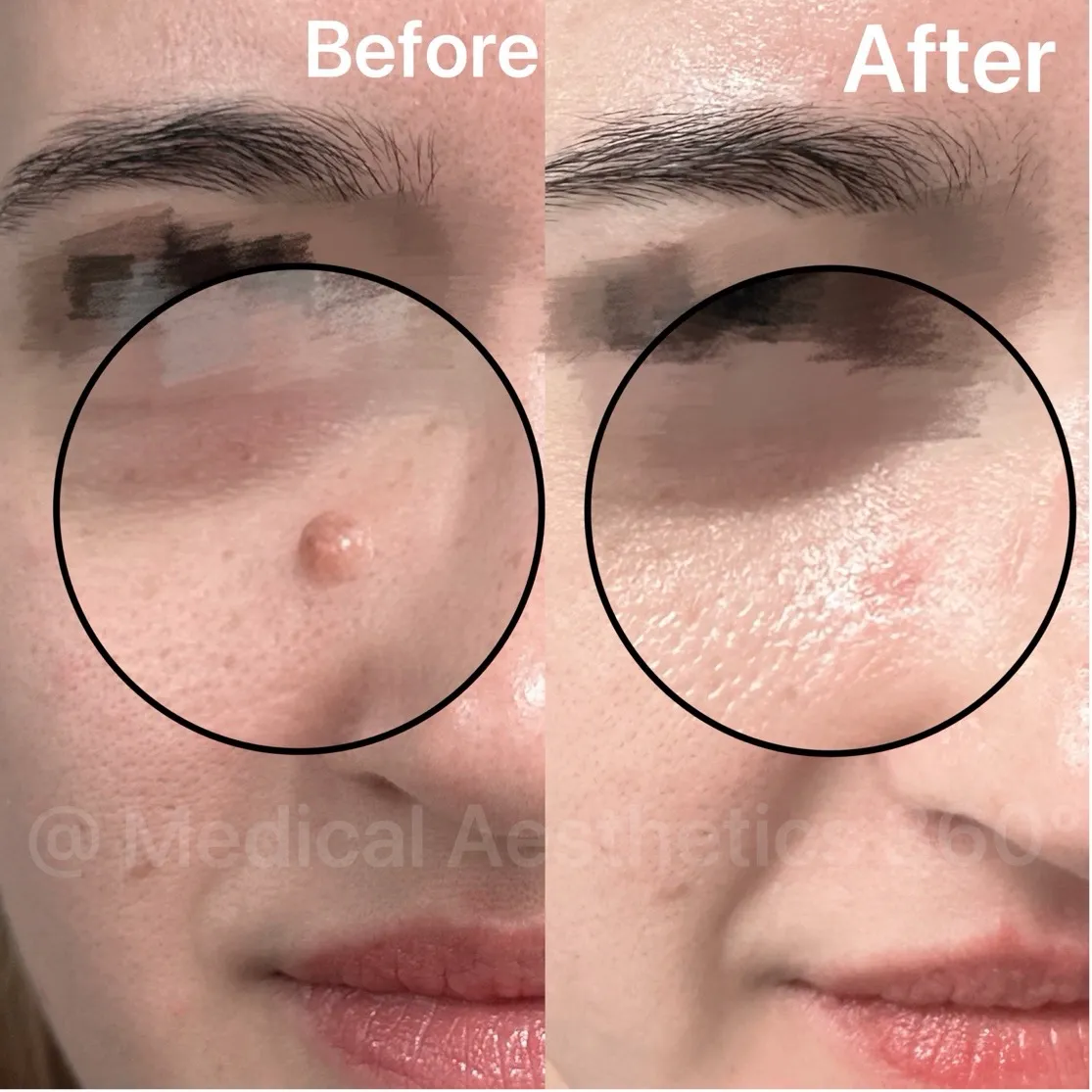
Before & After Showcase
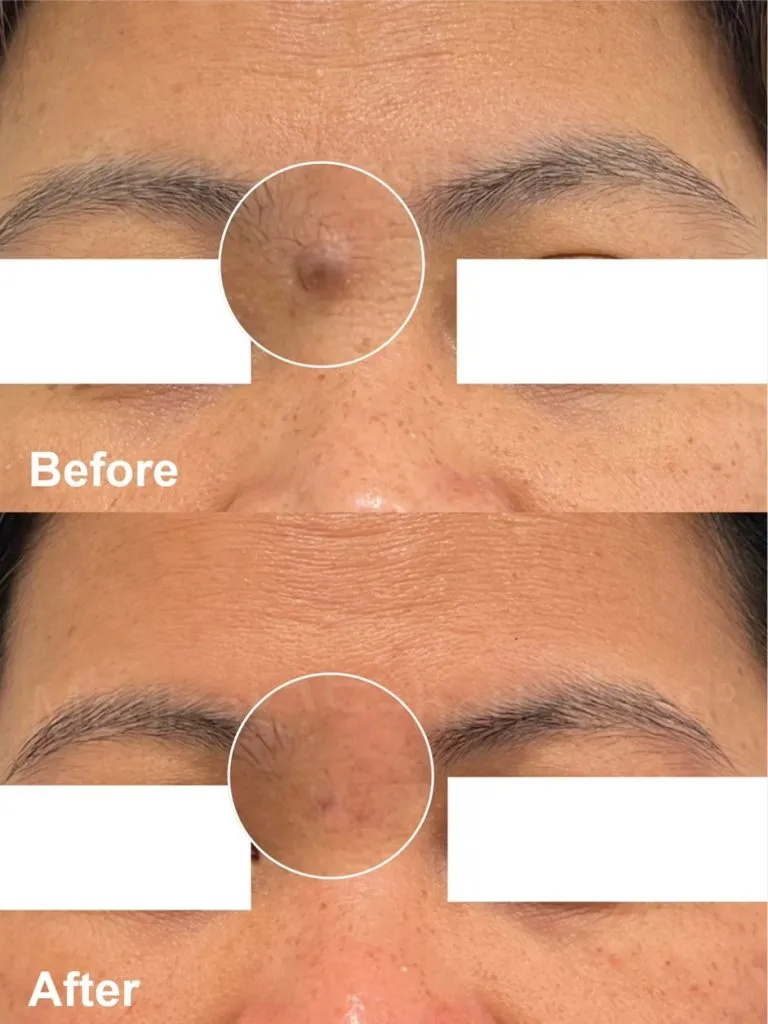
Forehead / brow area result example.
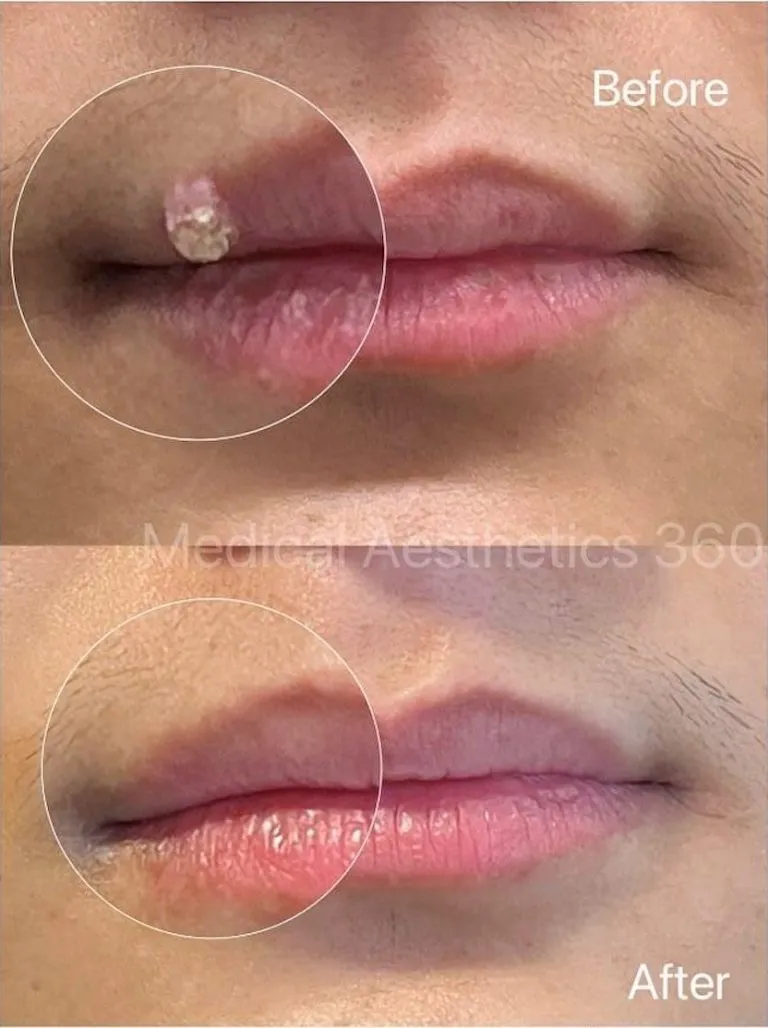
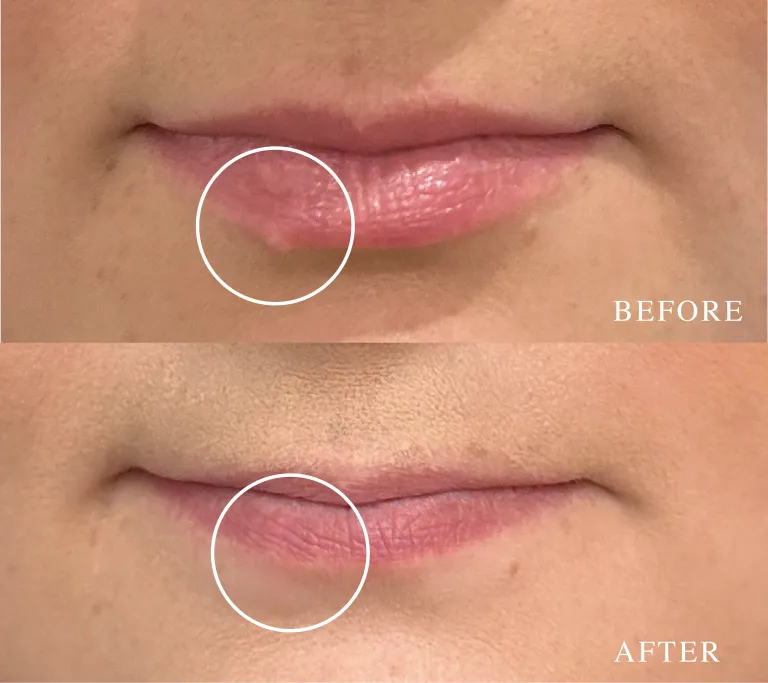
Lip border example with a neat healed result.
Case Studies Skin Laser
Browse more skin laser case studies across mole removal, skin tag removal, pigmentation and other doctor-led skin concerns in Chatswood, Hurstville and Sydney.
View case studies
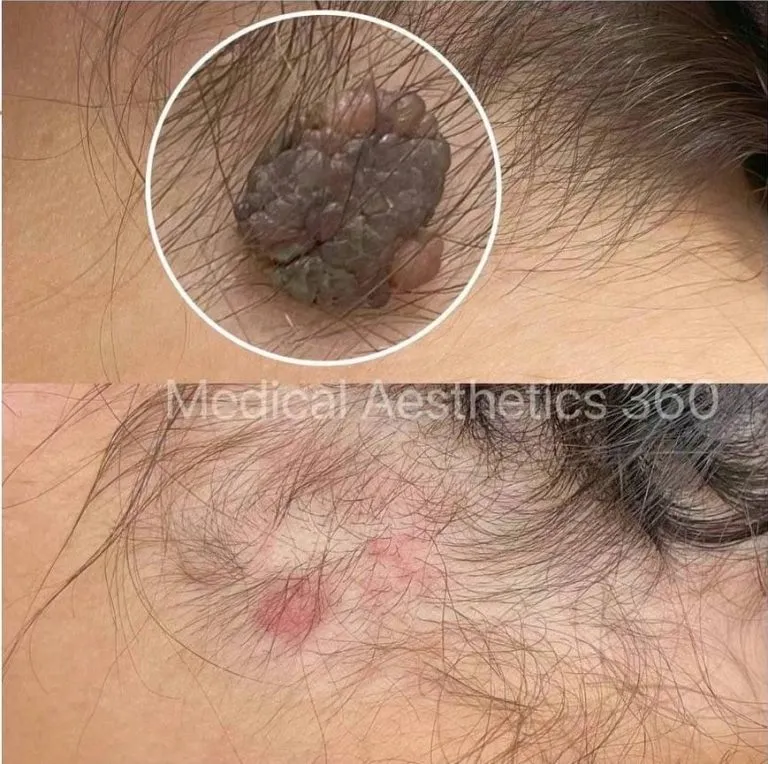
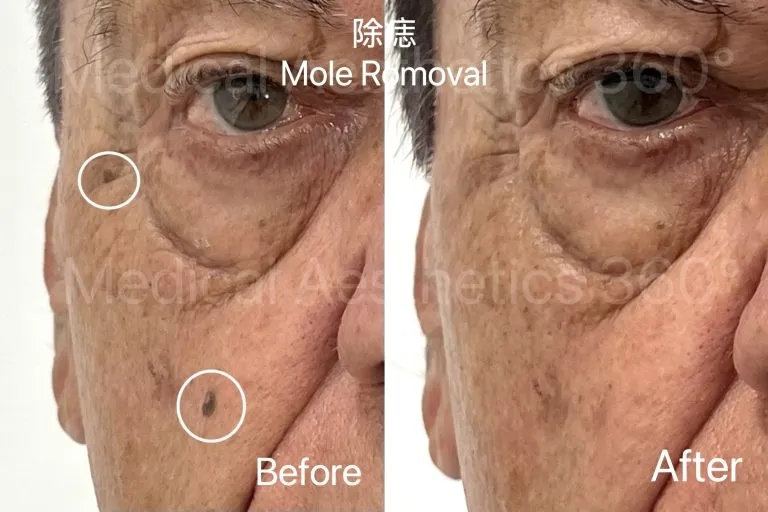
Raised lesion removal example near the scalp margin.
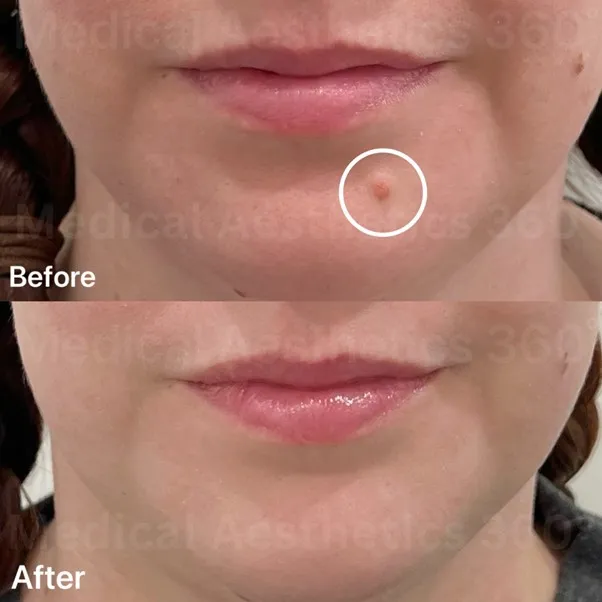
Small visible lower-face lesion removal example.
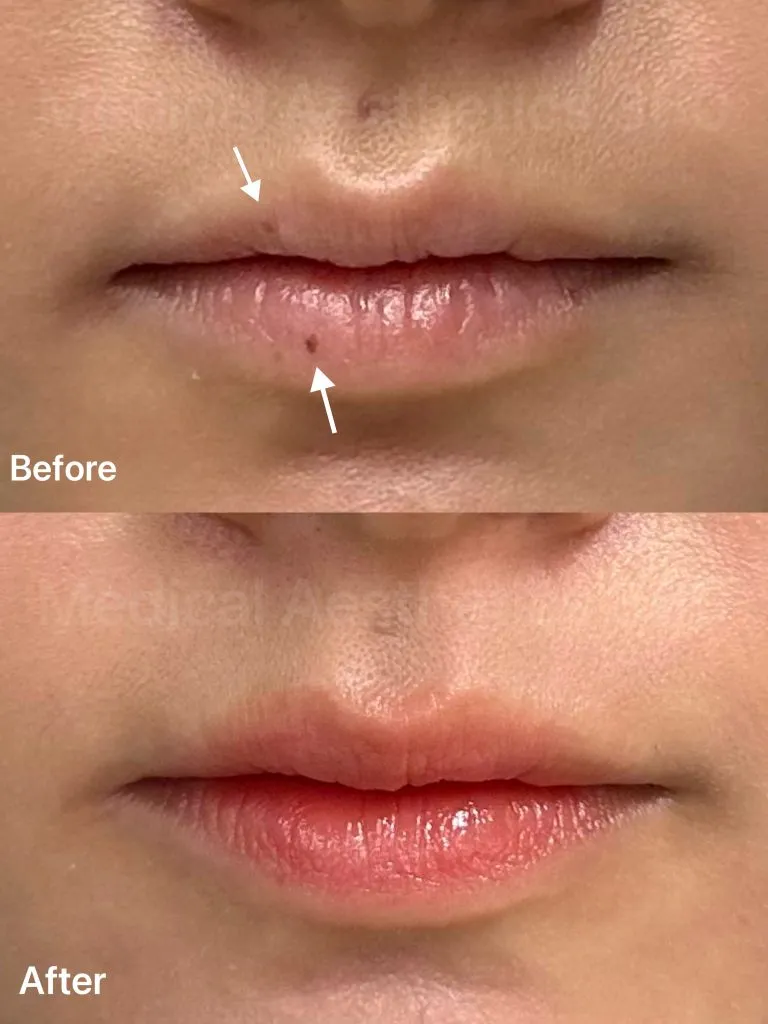
A visible lip-area before and after example.
Multiple facial lesion result example.
Another lip-area result with full image kept visible.
A clear assessment-first approach
Not every lesion is suited to immediate cosmetic removal. The first step is proper assessment so the area can be reviewed for suitability, the right pathway can be chosen, and healing quality can be prioritised. This is especially important for patients considering facial mole removal, raised mole removal or benign-looking skin lesion removal in Chatswood, Hurstville or Sydney.
- Raised, flat, pigmented or irritated lesions may need different considerations
- Face, neck, lip border, hairline and body areas can heal differently
- Treatment method depends on lesion type, depth and location
- The goal is a careful pathway that supports neat healing over time
Common reasons people seek removal
Patients often book for cosmetic reasons, comfort, or both. Suitability still depends on professional assessment.
- Raised or protruding moles that stand out visually
- Lesions rubbing on clothing, jewellery or during shaving
- Facial moles affecting confidence in photos or daily life
- Benign-looking lesions that catch, snag or feel bothersome
- Visible lesions in delicate areas such as the lip or brow
A more structured treatment pathway
Mole removal is not one-size-fits-all. Planning should match the lesion, the body area, and the way the skin is expected to heal.
Comprehensive assessment
Each lesion is reviewed for appearance, suitability for removal, and whether a cosmetic or medical pathway is more appropriate.
Personalised planning
The treatment plan is tailored around lesion type, depth, location, skin type, healing response, scar risk and cosmetic priorities.
Precision-focused treatment
Where appropriate, advanced treatment options may be considered to support a controlled approach and refined healing.
What may be considered
The recommended option depends on the lesion itself, the body area involved, and how the skin tends to heal.
- Whether the lesion appears benign-looking and suitable for cosmetic treatment
- Whether it is raised or flat
- Depth and colour characteristics
- Location, including face, neck, lip, hairline and body
- Scar risk and healing tendency
- Whether a different medical pathway is more appropriate
Healing after treatment
Healing is usually straightforward, but there is still a short recovery period and aftercare matters.
- Immediately after: the area may look pink, lightly abraded or slightly tender
- Days 1–7: mild dryness or scabbing can occur during early healing
- Early new skin: fresh skin can look pink temporarily as healing continues
- Following weeks: the treated area usually continues to blend over time
- Sun protection and aftercare are important during recovery
Individual healing varies, and no skin treatment can guarantee a completely scar-free outcome.
Frequently asked questions
Can all moles be removed cosmetically?
No. Some lesions may need medical assessment first, especially if they are changing, irregular or otherwise suspicious.
How do I know which option is right for me?
The best option depends on the lesion, where it is located, how your skin heals and whether cosmetic removal is appropriate. A consultation is the best place to start.
Will mole removal leave a scar?
Any skin procedure can leave a mark while healing. The aim is to choose the most suitable method, minimise unnecessary tissue disruption and support the neatest healing outcome possible.
How does pricing work?
Pricing depends on lesion type, size, complexity, treatment method and number of areas involved. A personalised plan can be discussed after assessment.
Related Case Studies
Real examples of treatment outcomes.
Raised Mole Removal— Smooth, Scar-Minimised Results
This patient attended Medical Aesthetics 360° with concerns about a raised, bumpy skin tag on the body that had become increasingly uncomfortable..
From “Photo Mole” to Fresh-Faced Confidence
A 40-year-old woman with naturally clear, healthy skin has had a small facial mole since early childhood. She first noticed it around age five, and over time it became the one feature
Clear, Smooth Skin Again — Precision Mole Removal in Sydney
This patient presented to Medical Aesthetics 360° with a common concern many people can relate to a small but noticeable raised mole on the face.