


MA360 skin journal · Chatswood & Hurstville
Laser for pigmentation in Sydney.
532, 755 or 1064 nm. Understand how pigment lasers and IPL differ, why your skin type matters, and how to approach a pigmentation assessment at our Chatswood or Hurstville clinic.
An educational guide. Treatment suitability and results vary.
Which laser is best for pigmentation?
There is no single best laser for every dark spot. The choice depends on the diagnosis, pigment depth, skin tone, recent tanning and previous reactions. Wavelength matters, but so do pulse duration, energy, cooling and the clinician’s assessment.
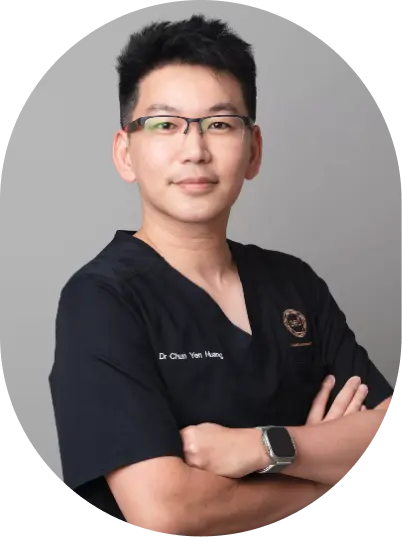
General Practitioner · MBBS, BSc(Med) UNSW, FRACGP · AHPRA MED0001187421
Clinical interests in pigmentation and laser medicine. View qualifications and professional experience
Similar colour. Different conditions.
Freckles, sun spots, melasma and post-inflammatory hyperpigmentation can all look brown. They do not necessarily respond to the same treatment. A doctor assesses the pattern, history and likely cause before deciding whether laser or light treatment is appropriate.
Freckles & sun spots
Selected superficial pigment may respond to pigment-targeting laser or IPL. The plan depends on the individual spot, surrounding skin and sun exposure.
Melasma
Broader patches often need ongoing management. Heat and inflammation can worsen melasma, so laser is not automatically the first step. Read our melasma treatment guide .
Post-inflammatory marks
PIH can follow acne, irritation or a procedure. Treating the underlying inflammation and allowing the skin to settle may take priority over devices.
Mixed pigmentation
Pigment may sit alongside redness or texture changes. These concerns can require different technologies or a staged plan.
Explore diagnosis and treatment pathways in our Sydney pigmentation treatment overview .
A new or changing spot needs medical assessment. A mark that changes shape or colour, bleeds, becomes irregular or does not heal should be assessed before cosmetic laser is considered.
532 vs 755 vs 1064 nm, compared with IPL.
Melanin absorbs light differently at different wavelengths. Across these commonly used pigment wavelengths, shorter wavelengths are generally absorbed more strongly by melanin, while longer wavelengths can reach relatively deeper tissue. Strong absorption may help target a spot, but can also affect melanin in the surrounding skin.
| Option | What it may suit | What needs care |
|---|---|---|
| 532 nm | Selected superficial freckles and solar lentigines; strong melanin absorption. | Surrounding epidermal melanin also absorbs energy. Skin tone, tanning and settings influence burn and PIH risk. |
| 755 nm | An alexandrite wavelength used in platforms such as PicoSure for selected pigmentation concerns. | It still interacts with epidermal melanin. Suitability cannot be decided from the wavelength or brand alone. |
| 1064 nm | A near-infrared Nd:YAG wavelength with relatively deeper reach and lower melanin absorption than 532 or 755 nm. | Lower absorption does not make it risk-free. Repeated or unsuitable treatment can cause unwanted darkening or patchy lightening. |
| IPL / BBL | Filtered, broad-spectrum light for selected sun-related pigmentation and mixed colour concerns. BBL is a form of IPL. | IPL is not a laser. Filters, pulse structure, skin tone, tanning and diagnosis determine whether it is appropriate. |
On a small screen, swipe the table sideways to read all columns.
A 515 or 560 nm IPL label usually describes a cut-off filter, rather than a single emitted wavelength. The actual light range depends on the system and filter. See our PicoSure, Fotona and BBL comparison for the differences between platforms.
What a comparative study found: In a trial of 30 Asian patients with solar lentigines on the arms, both 532 and 755 nm picosecond lasers improved lesions. With the settings studied, 755 nm achieved greater improvement at 12 weeks. This does not establish one wavelength as best for every patient or condition. Read the 2022 study .
Laser pigmentation treatment for darker or Asian skin.
Skin with more epidermal melanin may be more susceptible to pigment changes after inflammation. A wavelength that helps one person’s sun spots can irritate another person’s skin. Ethnicity alone cannot determine suitable settings or predict an individual response.
Fitzpatrick skin types describe the tendency to burn and tan. They are one part of assessment, alongside current tanning, pigment diagnosis, previous PIH, sensitivity and treatment history. A 1064 nm laser’s lower melanin absorption can be useful in selected cases, but does not guarantee safety.
Tell your clinician about recent tanning and previous pigment reactions. A plan may need to be delayed, adjusted or changed to a non-device approach. Conservative settings or a test area may be considered; neither removes all risk.
Laser and IPL can cause burns, prolonged redness, post-inflammatory darkening, loss of pigment and scarring. Melasma and PIH may worsen after treatment. Our pigmentation assessment guide explains why diagnosis, skin preparation and maintenance matter. Read the review of pigment treatment in Asian skin .
Pico laser, nanosecond laser and IPL: what changes?
Wavelength influences how light travels through skin and what absorbs it. Pulse duration is how long each burst of energy lasts. Together with energy, spot size and cooling, it affects the treatment response.
- Picosecond
- Very short pulses, measured in trillionths of a second, can favour a photoacoustic effect on pigment. “Pico” describes pulse duration, not one wavelength.
- Nanosecond
- Pulses measured in billionths of a second also target pigment through photomechanical and thermal effects. Suitability depends on the platform and settings.
- IPL
- Filtered broad-spectrum light commonly delivered in millisecond pulses or pulse sequences. It works differently from a single-wavelength pigment laser.
There is no universal “best” pulse duration. The target’s size and thermal relaxation time—the time it takes to lose a substantial part of its heat—help explain why parameters matter. For a deeper explanation, read laser wavelength versus pulse width for pigmentation .
Explore MA360’s pigmentation technologies.
Different devices offer different wavelengths, pulse formats and delivery options. The clinician selects an appropriate pathway after assessment. Confirm the planned device and appointment location with the clinic.
PicoSure
A picosecond platform associated with a 755 nm alexandrite wavelength. Explore how it may be considered for selected pigment concerns.
Fotona
Fotona systems offer different laser technologies and modes. The relevant system, wavelength and treatment mode matter more than the brand name alone.
Sciton BBL
Broadband light may be considered for selected sun-related pigment and redness. It uses filtered light rather than a single laser wavelength.
Comparing machines? Read the PicoSure vs Fotona vs BBL guide . For the broader clinical pathway, return to pigmentation treatment in Sydney .
Recovery, aftercare and realistic expectations.
Recovery varies with the diagnosis, device, settings and treatment area. Some pigment treatments cause temporary darkening, redness, swelling, dryness or flaking. Your clinician should explain the likely course for the treatment actually proposed.
- Before treatment Discuss recent sun exposure, medicines, active skincare, previous reactions and how much recovery time you can accommodate. Some patients need preparation or a delay.
- During recovery Follow the clinic’s instructions on gentle skincare, sun protection and when to restart active products. Avoid picking or scrubbing treated areas.
- At review Assess response and side effects before deciding on further treatment. Freckles and sun-related spots can recur; melasma often needs continued management.
Read our PicoSure, Fotona and BBL aftercare guide for treatment-specific instructions and when to contact the clinic.
Before you choose a pigmentation treatment.
What is the best laser for pigmentation in Sydney?
There is no single best option for every patient. An assessment identifies the pigment type, skin tone, previous reactions and suitable treatment choices. Compare the wavelengths above, then explore our pigmentation treatment overview or arrange a consultation.
Is PicoSure better than IPL or BBL?
They work differently and may suit different concerns. PicoSure delivers picosecond laser pulses; BBL uses filtered broad-spectrum light. Diagnosis, skin tone, tanning and settings influence the choice. Our PicoSure, Fotona and BBL comparison explains the practical differences.
Can laser make melasma or pigmentation worse?
Yes. Excess inflammation, an unsuitable device or settings, and recent tanning can contribute to PIH, a melasma flare or patchy lightening. Some people are better suited to skincare, trigger management or a staged non-laser plan.
Is 1064 nm automatically safe for darker skin?
No. It is absorbed less strongly by melanin than 532 or 755 nm, but can still cause burns and pigment changes. Your skin history, diagnosis, treatment parameters and response need individual assessment.
How many sessions will I need, and is removal permanent?
There is no reliable session count without assessment. Discrete sun spots, diffuse pigment and melasma may need different plans. Response varies and pigment can recur, particularly with sun exposure or ongoing triggers. Complete or permanent clearance cannot be promised.
How much does pigmentation treatment cost?
Fees depend on the treatment area, diagnosis, device and proposed course. Ask for a written quote explaining the consultation, treatment, aftercare and follow-up costs. Contact MA360 for current fees .
Can I book pigmentation assessment in Chatswood or Hurstville?
Yes. Explore pigmentation treatment in Chatswood or pigmentation treatment in Hurstville , then use the contact page to arrange an appointment. Confirm your preferred location and the planned service when booking.
Which doctor’s profile should I read?
Read Dr Chun-Yen Huang’s full profile for his qualifications, clinical interests and professional experience in pigmentation and laser medicine. Ask the clinic who will assess and treat you when booking.
Research behind the guide.
- Anderson RR, Parrish JA. Selective photothermolysis: precise microsurgery by selective absorption of pulsed radiation . Science, 1983.
- Kono T, et al. Theoretical review of the treatment of pigmented lesions in Asian skin . Laser Therapy, 2016.
- Vachiramon V, et al. Randomised comparative study of 532 and 755 nm picosecond lasers for solar lentigines in Asian patients . Journal of Cosmetic Dermatology, 2022.
- Sowash M, Alster T. Review of laser treatments for post-inflammatory hyperpigmentation in skin of colour . American Journal of Clinical Dermatology, 2023.
Studies describe particular patients, devices and parameters. They do not predict an individual result or establish one device as suitable for everyone.
08 / Find your MA360 clinic
Pigmentation assessment in Chatswood & Hurstville.
Bring your concerns, previous treatment history and questions. A doctor-led assessment can help you understand whether laser, light treatment or another approach may be suitable.
Sydney’s North Shore
Chatswood
Suite 203, Level 238B Albert Avenue
Chatswood NSW 2067
Explore local pigmentation care and plan your visit near Chatswood’s train and Metro interchange.
Sydney’s St George area
Hurstville
41–43 Dora StreetHurstville NSW 2220
Explore local pigmentation care at our Dora Street clinic. Confirm the appointment address when booking.
For appointments and current fees, contact MA360 or call 1300 338 307. Confirm the treating clinician, technology and location with the team.
Begin with your skin.
Choose the treatment together.
Discuss pigmentation, skin tone and recovery with MA360 in Chatswood or Hurstville. You do not need to choose a laser before your consultation.
General educational information only. This guide cannot diagnose a skin concern or determine treatment suitability. Laser and light procedures can cause burns, pigment changes, scarring and other complications. Your clinician will discuss relevant risks, alternatives, expected recovery and individual suitability.
Back to the top ↑