PicoSure vs Fotona vs BBL Sydney | Pigmentation Laser
Pigmentation laser comparison Sydney

PicoSure vs Fotona MaQX, QX MAX and Sciton BBL

The best technology is not simply the strongest one. Wavelength, pulse duration, pigment depth, skin tone and heat sensitivity all affect whether PicoSure, Fotona or BBL is a sensible choice.

At Medical Aesthetics 360 in Chatswood and Hurstville, treatment planning begins by identifying the pigment pattern. Freckles, solar lentigines, melasma and post-inflammatory hyperpigmentation can look similar, yet respond very differently to laser and light.

Book a pigmentation consultation
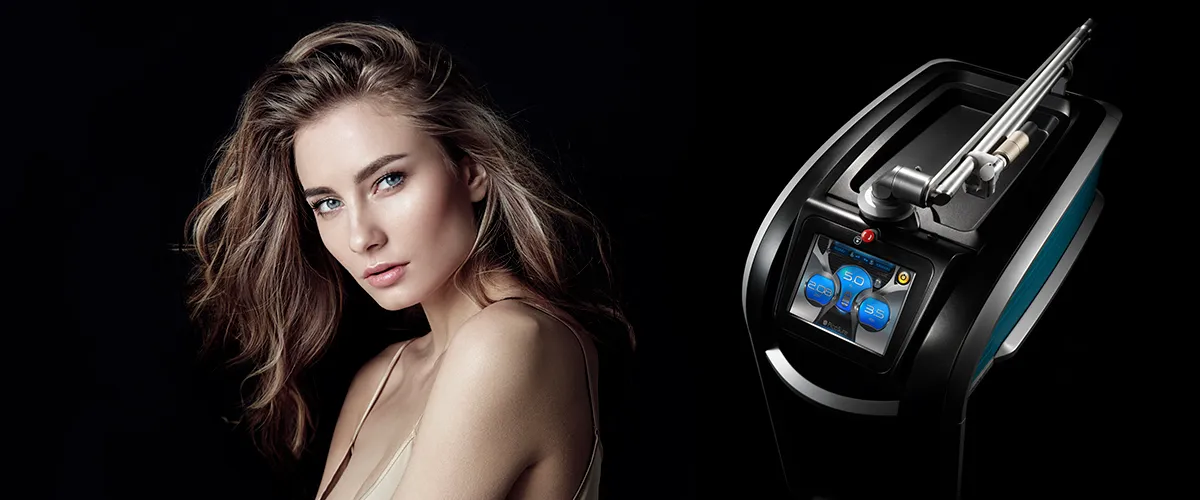
PicoSure picosecond laser technology for pigmentation treatment
PicoSure technology available at Medical Aesthetics 360 in Sydney.
PicosecondPicoSure uses ultra-short pulses with a strong photoacoustic effect.
Q-switched nanosecondMaQX and QX MAX provide wavelength-specific pigment targeting.
Filtered pulsed lightSciton BBL treats selected brown and red photoageing patterns.
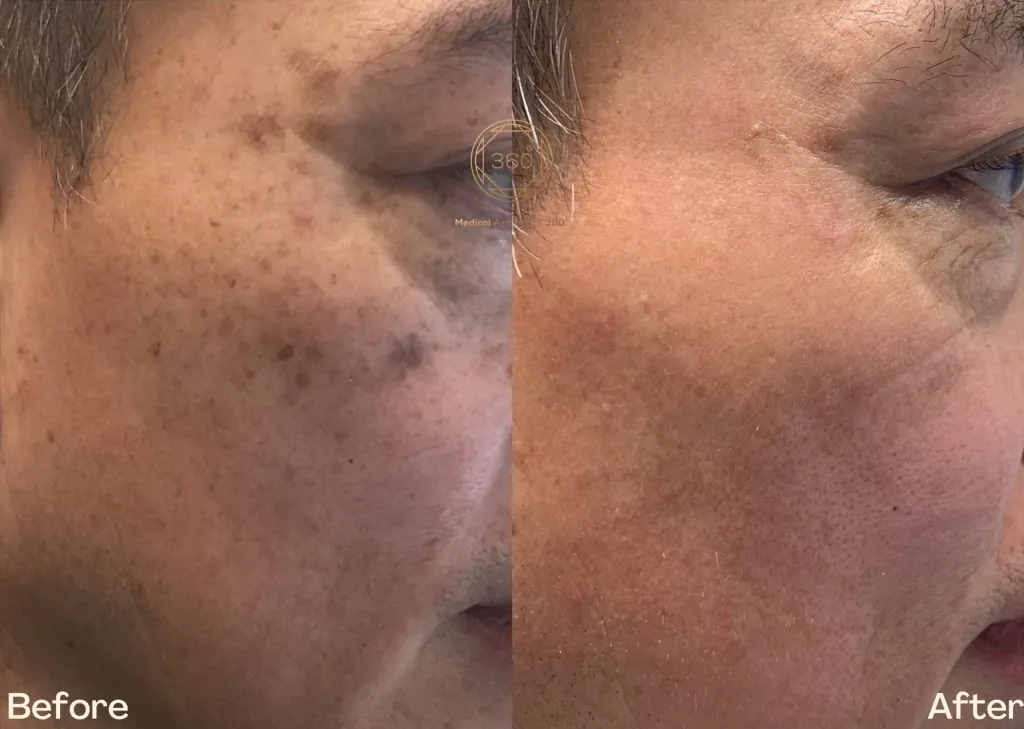
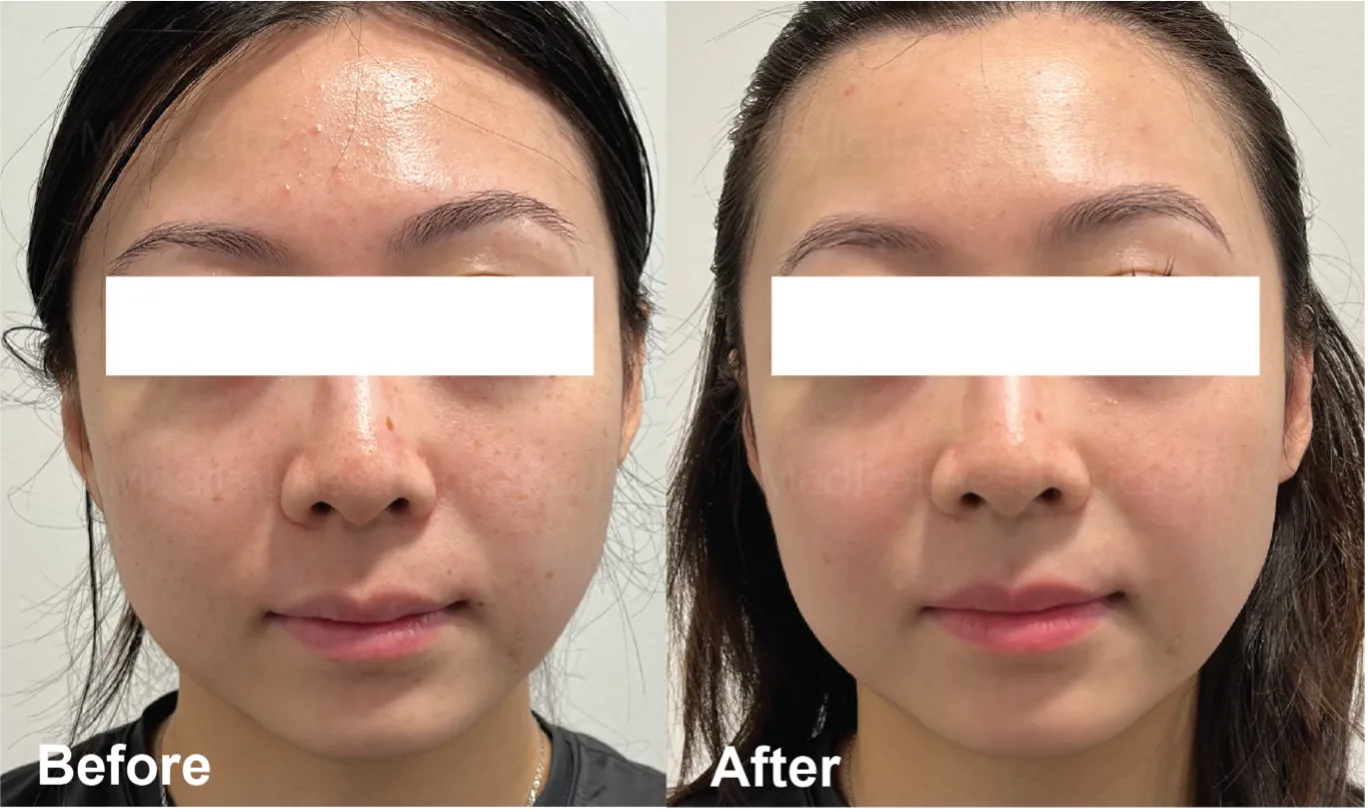
Related MA360 examples

Pigmentation changes require the right match

These clinic examples show why the visible concern and the treatment pathway should be considered together. They do not predict how another person's skin will respond.

Any new, changing, irregular or symptomatic pigmented lesion should be medically assessed before cosmetic treatment. A laser comparison cannot diagnose a skin lesion.

Quick comparison

How the four platforms differ

Brand names matter less than the energy delivered. The core distinctions are pulse category, wavelength range, target and heat profile.

Technology
Energy
Wavelengths
Pulse profile
Often considered for
PicoSure / PicoSure Pro
Lower thermal emphasis
Picosecond alexandrite laser
Core 755 nm; optional 532 nm and 1064 nm modules may be available by configuration
Approximately 500-900 ps
Selected benign pigment, freckles, sun spots, tattoos and fractional skin revitalisation
Fotona StarWalker MaQX
Structured Q-switched
Q-switched photoacoustic laser
1064 nm and 532 nm; 585 nm and 650 nm through dye handpieces
5 ns Q-switched pulses arranged in selectable MaQX structures
Epidermal or dermal pigment, selected melasma protocols, tattoos and fractional photoacoustic treatment
Fotona QX MAX
Single-pulse Q-switched
Nanosecond Q-switched laser
1064 nm, 532 nm, 585 nm and 650 nm
5 ns single-pulse delivery
Selected pigmented lesions, different tattoo colours and some FRAC3 applications
Sciton BBL
Heat-based pulsed light
Filtered BroadBand Light, not a laser
420-1400 nm platform range with selectable filters
Millisecond pulses, up to 200 ms on current HEROic specifications
Freckles, solar pigment, redness and mixed brown-red photoageing in suitable skin
Understanding the numbers

Wavelength and pulse duration

These two specifications explain much of the difference between a pico laser, a Q-switched laser and filtered pulsed light.

Wavelength influences the target

Wavelength affects how strongly energy is absorbed by melanin, haemoglobin and other chromophores, as well as how deeply light can travel. Shorter wavelengths such as 532 nm interact strongly with superficial pigment and require greater caution in melanin-rich or recently tanned skin. A 1064 nm pathway penetrates more deeply and usually has less epidermal melanin absorption, but it is not risk-free.

Pulse duration changes the energy effect

Picosecond and nanosecond systems use very short pulses to create a strong photoacoustic effect. BBL uses longer millisecond pulses and relies more on controlled photothermal heating. None is universally superior: the pulse must suit the target and the skin around it.

532 nmSuperficial pigment and selected vascular or tattoo targets; higher epidermal caution.
755 nmPicoSure's core alexandrite wavelength with strong melanin interaction.
1064 nmDeeper Nd:YAG pathway often considered when surface melanin risk is a concern.
BBL filtersFilter selection shapes broad pulsed light for pigment, redness or skin-quality goals.
Device by device

What each technology means in practice

The right question is not whether one machine is better in every situation. It is whether its wavelength and pulse pattern fit the diagnosed pigment and the skin's tendency to react.

PicoSure

Fast photoacoustic pigment targeting

PicoSure's core 755 nm energy is delivered in picoseconds. The short pulse reduces reliance on prolonged heating, which may be useful for selected benign pigmentation and fractional revitalisation. It can still cause redness, swelling, blistering or pigment change if the indication or settings are unsuitable.

Core wavelength
755 nm
Pulse category
Picosecond
Useful question
Is the target suitable for strong melanin absorption?

Explore the clinic's PicoSure treatment information.

Fotona MaQX

Structured Q-switched versatility

StarWalker MaQX combines several wavelengths and selectable pulse structures. It remains a Q-switched nanosecond platform rather than a true picosecond laser. Its 1064 nm and 532 nm pathways can be selected for different depths and colours, while fractional handpieces broaden its treatment options.

Core wavelengths
1064 nm and 532 nm
Pulse category
Structured Q-switched
Useful question
Which wavelength and pulse structure match the target?

See MA360's Fotona technology overview.

Fotona QX MAX

High-energy single-pulse Q-switching

QX MAX delivers 5 ns single pulses and supports four wavelengths. This gives it a broad role in selected pigment and multicolour tattoo work. Compared with PicoSure it is a nanosecond system; compared with BBL it is a wavelength-specific laser.

Wavelengths
1064, 532, 585 and 650 nm
Pulse category
5 ns single pulse
Useful question
Is a targeted Q-switched wavelength appropriate?

Selection still depends on spot size, fluence, skin type, pigment depth and previous reactions.

Sciton BBL

Filtered light for brown and red change

BBL is a refined pulsed-light platform, not a laser. Filters select portions of its broad spectrum for freckles, superficial sun damage, redness and overall photoageing. Because treatment is heat-based, melasma-prone, recently tanned and PIH-prone skin requires careful planning.

Platform range
420-1400 nm
Pulse category
Millisecond pulsed light
Useful question
Is there mixed brown and red photoageing?

Read the Sciton BBL treatment guide.

48studies, 1,356 people with skin of colour
Evidence and limitations

Pigment lasers can help, but can also provoke pigment

A 2024 systematic review of post-inflammatory hyperpigmentation in skin of colour found that laser therapy produced improvement in a proportion of participants, while some studies also reported worsening after treatment.

This is why a device name alone is not a treatment plan. Diagnosis, skin preparation, conservative parameters, sun protection and follow-up all influence whether an energy-based approach is appropriate.

PIH, burn and scar risk

Why stronger can be the wrong goal

Excessive fluence, overlapping passes, unsuitable wavelength selection, recent sun exposure or a compromised skin barrier can transfer too much energy to surrounding skin.

Post-inflammatory hyperpigmentation

PIH is darkening after inflammation or injury. It is more common and may last longer in melanin-rich and reactive skin. Laser can improve selected PIH, but can also aggravate it.

Burns and blistering

Thermal injury can occur when skin absorbs more energy than intended. Tanning, insufficient cooling, aggressive settings and pulse overlap can increase the risk.

Scarring and texture change

Scarring is uncommon but possible after a burn, infection, delayed healing or overtreatment. Texture may also change if repeated treatment is too aggressive.

Doctor-led selection

How a pigmentation pathway is chosen

The sequence begins with the concern rather than the machine. Sometimes the safer answer is preparation, observation or topical care before any device is used.

Identify the pattern

Separate freckles, solar lentigines, melasma, PIH, vascular redness, tattoo pigment and lesions requiring medical review.

Assess reactivity

Consider skin tone, ethnic background, recent tanning, melasma tendency, barrier condition and previous laser response.

Match the energy

Select wavelength, filter, pulse structure, spot size and fluence for the target rather than using one standard setting.

Protect the result

Use appropriate skincare, broad-spectrum sunscreen, trigger management and session spacing to reduce unnecessary inflammation.

Best-fit guide

Which option may suit which concern?

This is a starting framework, not a diagnosis. More than one technology may be suitable, and the plan can change after the skin's response is reviewed.

Concern
Potential options
Why
Extra caution
Freckles and sun spots
PicoSure, BBL or a selected Q-switched wavelength
These are often superficial melanin targets that may respond to photoacoustic disruption or filtered light.
Background melasma, tanning or reactive skin can alter the choice.
Brown pigment with redness
Sciton BBL or a staged light-and-laser plan
Filtered light can address selected brown and red photoageing patterns.
Heat-sensitive or darker skin needs conservative parameters.
Melasma-prone pigmentation
Skin preparation, topical care and selected low-energy laser pathways
Melasma is chronic and trigger-sensitive, so control is more realistic than permanent clearance.
Heat, inflammation, UV and aggressive treatment may cause recurrence.
Post-inflammatory pigmentation
Barrier repair first; a cautious 1064 nm or selected pico pathway may later be considered
The plan should reduce inflammation rather than add another uncontrolled injury.
Laser and BBL can worsen PIH when used too aggressively.
Tattoo colours
PicoSure, MaQX or QX MAX
Different wavelengths target different ink colours and depths.
Ink composition, density, layering and skin tone affect response.
Texture with pigment
Fractional pico, MaQX fractional modes or a separate resurfacing pathway
Collagen-focused treatment may be needed as well as pigment targeting.
Fractional treatment can add downtime and PIH risk.
Patient questions

Pigmentation laser comparison FAQs

Clear answers about PicoSure, Fotona MaQX, QX MAX and Sciton BBL in Sydney.

Is PicoSure better than BBL for pigmentation?

Not in every case. PicoSure is a wavelength-specific picosecond laser, while BBL is filtered pulsed light. PicoSure may suit selected pigment or fractional revitalisation; BBL may suit superficial sun damage combined with redness. Diagnosis and skin reactivity decide the better fit.

Is Sciton BBL actually a laser?

No. BBL is BroadBand Light, a refined IPL-style technology. It uses filters to select useful parts of a broad light spectrum rather than producing one laser wavelength.

Is Fotona MaQX the same as a picosecond laser?

No. MaQX is a Q-switched nanosecond platform with structured pulse modes. Its pulse trains can create a strong photoacoustic effect, but the system should not be described as the same category as PicoSure.

What is the difference between MaQX and QX MAX?

Both are Fotona multi-wavelength Q-switched systems. QX MAX centres on high-energy 5 ns single pulses. StarWalker MaQX adds selectable structured pulse modes and a wider set of procedural options.

Which wavelength is more conservative for PIH-prone skin?

A 1064 nm pathway often has less interaction with epidermal melanin than shorter wavelengths such as 532 nm. That can make it useful in selected darker or reactive skin, but conservative parameters and accurate diagnosis remain essential.

Can pigmentation become worse after laser?

Yes. Excess heat, inflammation, recent UV exposure, unsuitable settings or an impaired skin barrier can trigger post-inflammatory pigmentation or melasma recurrence.

Can BBL cause burns or scarring?

All light and laser treatments carry risk. BBL can cause swelling, temporary darkening, blistering, burns, pigment change and, rarely, scarring when the skin or settings are unsuitable.

Does melasma need a different approach?

Usually. Melasma is chronic and influenced by UV, visible light, heat, hormones and inflammation. Skincare and photoprotection are central, while laser or light may be used selectively rather than as a guaranteed cure.

Should skin be prepared before pigmentation treatment?

Preparation may be advised for reactive, melasma-prone or darker skin. Barrier support, pigment-control skincare and strict sun protection can reduce irritation and improve treatment stability.

Which option is used for freckles and sun spots?

PicoSure, BBL and selected 532 nm or 1064 nm Q-switched treatments may all be considered. The choice depends on depth, contrast, background skin colour, tanning and whether redness or melasma is also present.

How many sessions will I need?

There is no universal number. Pigment type, depth, device, skin response and treatment intensity all affect the course. A staged plan is often safer than promising complete clearance in one visit.

Where can I discuss pigmentation treatment in Sydney?

Medical Aesthetics 360 provides pigmentation consultations in Chatswood and Hurstville. The consultation determines whether laser, BBL, skincare, observation or medical review is the appropriate next step.