


PicoSure Laser Sydney: Pigmentation Treatment in Chatswood & Hurstville
PicoSure is a picosecond laser treatment used to help improve the appearance of pigmentation, uneven skin tone, sun spots and skin texture concerns. At Medical Aesthetics 360°, treatment starts with understanding your skin, your pigmentation pattern and what you would like to improve.
Our approach focuses on careful assessment and personalised planning for freckles, sun spots and uneven pigmentation, melasma-prone skin and skin tone concerns in Chatswood, Hurstville and greater Sydney.
PicoSure pigmentation examples
These examples show common pigmentation concerns discussed during a PicoSure consultation.
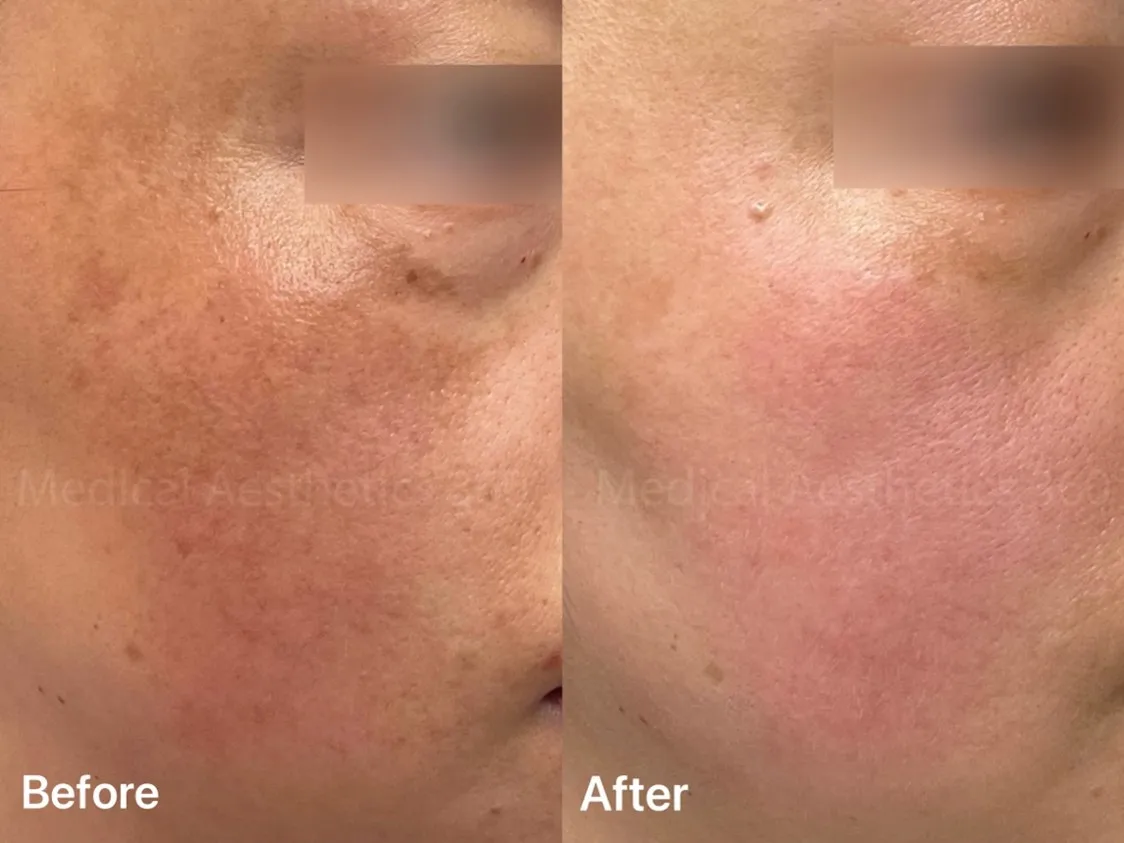
Melasma and uneven pigmentation
Melasma-prone pigmentation is usually managed with a gentle plan and consistent sun protection.
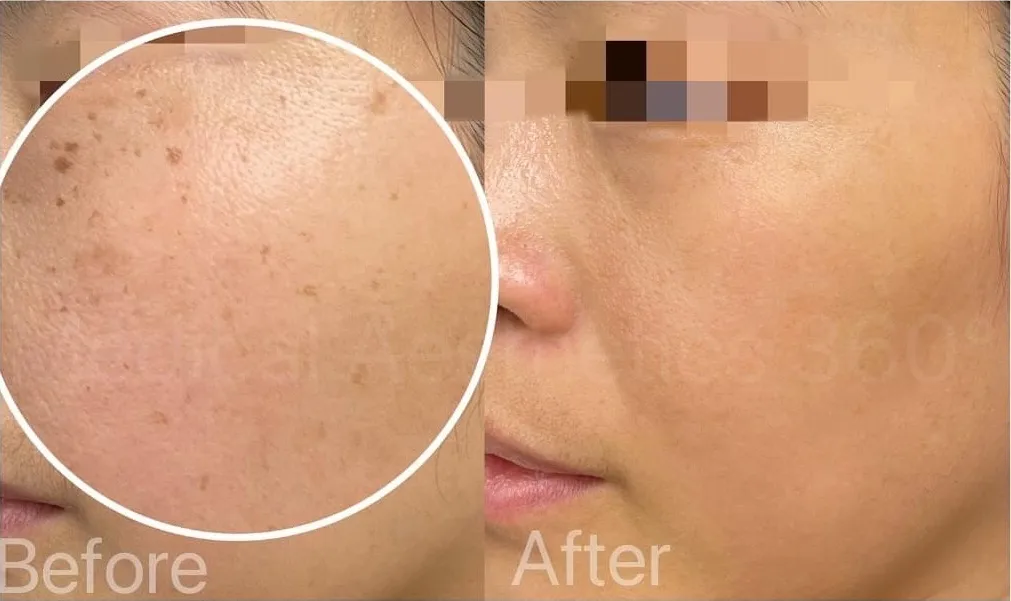
Skin tone assessment
Your plan is shaped around pigment type, skin type, sun history and how your skin usually responds.
Your treatment plan is personalised. Results and recovery vary between individuals.
Why personalised PicoSure planning matters
- Pigmentation can have different causes, even when it looks similar on the surface.
- Treatment is adjusted carefully to suit the concern and your skin profile.
- Melasma-prone or easily irritated skin may benefit from a slower, steadier approach.
- Every skin type benefits from careful planning, especially when pigmentation is prone to returning.
- Some marks should be reviewed carefully before any cosmetic laser treatment is considered.
PicoSure before and after: related pigmentation case studies
Explore individual MA360 cases involving PicoSure or related pigmentation care. These are different treatment pathways, not a single PicoSure protocol. Results vary; photographs do not predict your outcome. Read each case for the treatment used.
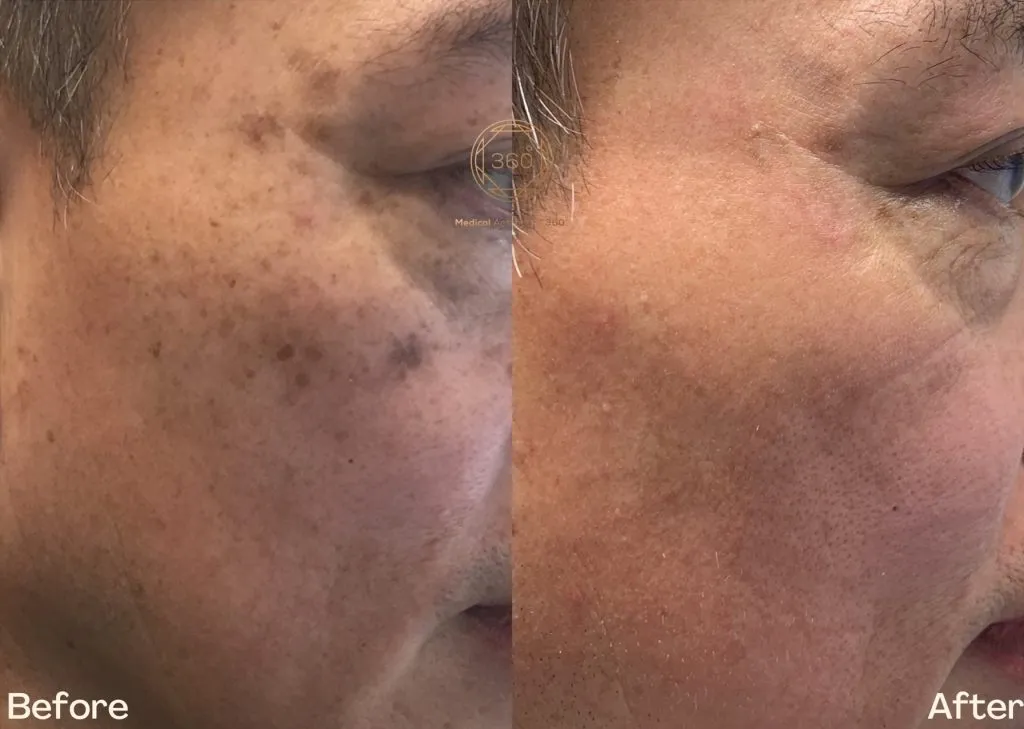
Restoring Clarity and Confidence — A Gentle Transformation with PicoSure Laser
This gentleman visited Medical Aesthetics 360° several times over the years, curious about improving his uneven skin tone and visible freckles but hesitant to begin treatment.
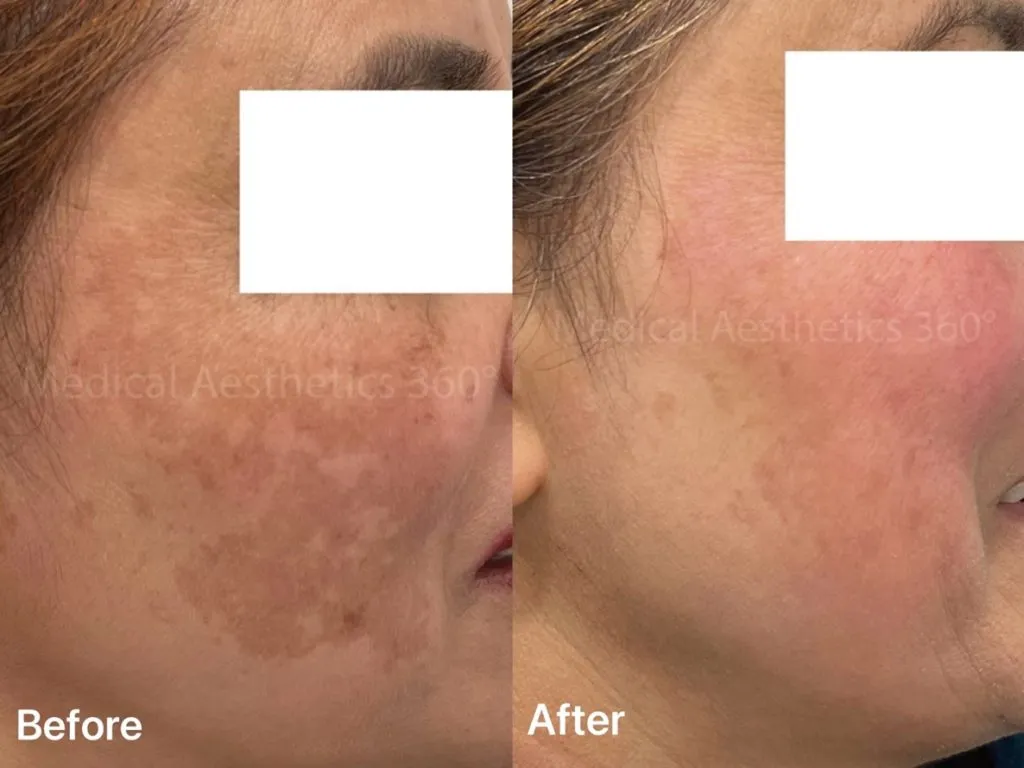
Finally Finding Clarity — Managing Stubborn Melasma
This patient had been managing uneven pigmentation for years, with dark patches across the cheeks and forehead that became difficult to disguise.
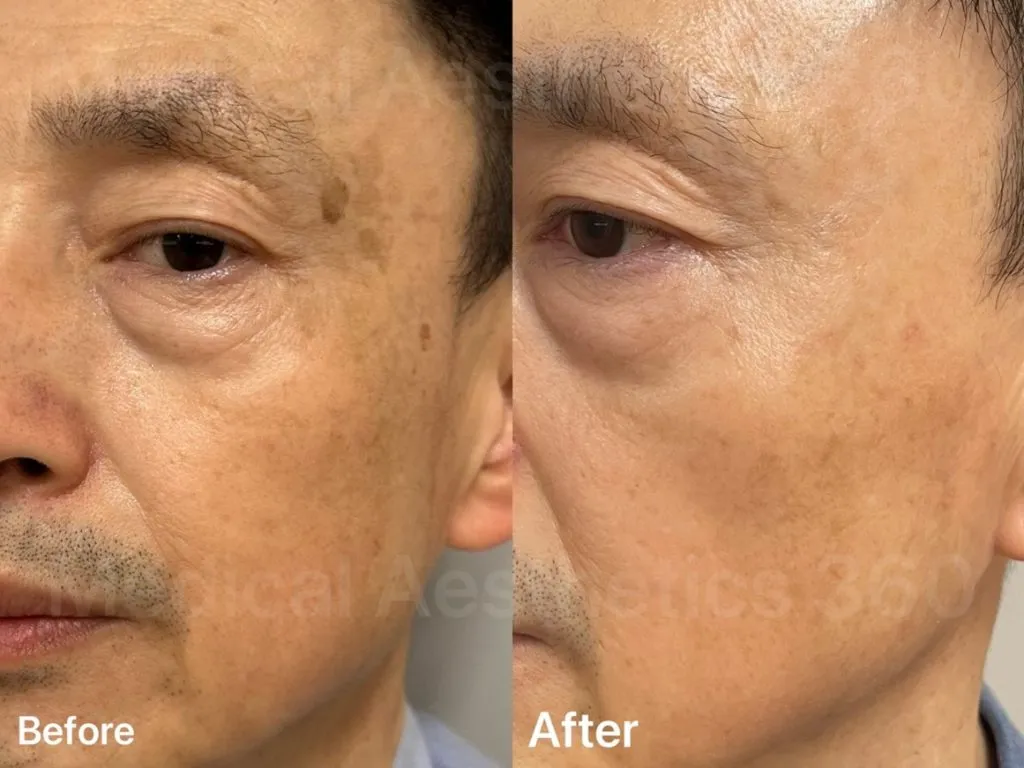
Restoring Clarity and Confidence — Managing Pigmentation for a Fresher Look
This middle-aged gentleman visited Dr Chun Yen Huang (MED0001187421) at Medical Aesthetics 360° seeking a refreshed, healthier appearance.
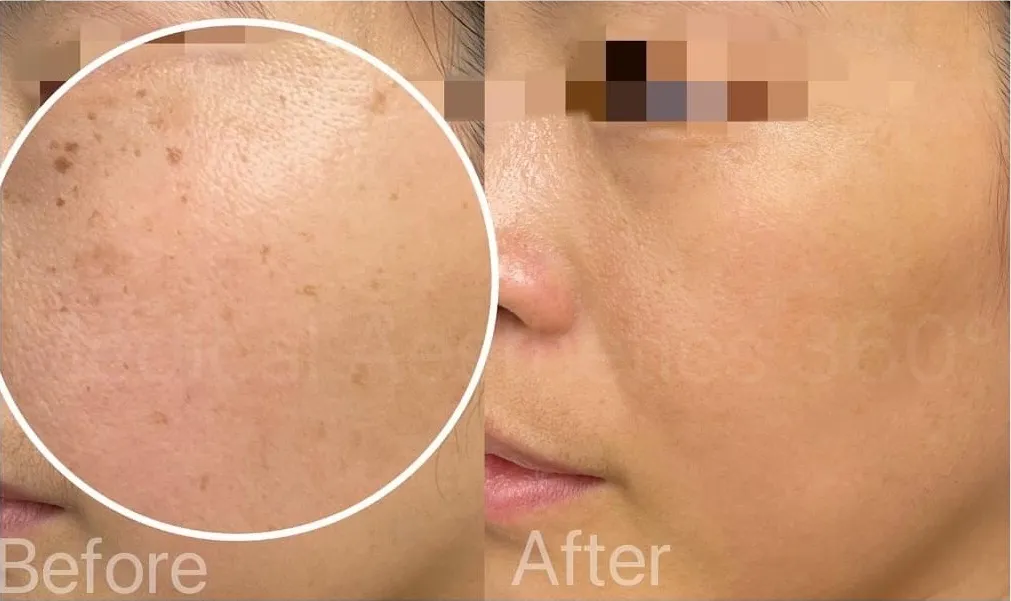
Freckle Reduction & Complexion Renewal — Clear, Luminous Skin Confidence
A young professional woman visited Medical Aesthetics 360° feeling frustrated by freckles and uneven pigmentation that had gradually become more noticeable over the years.
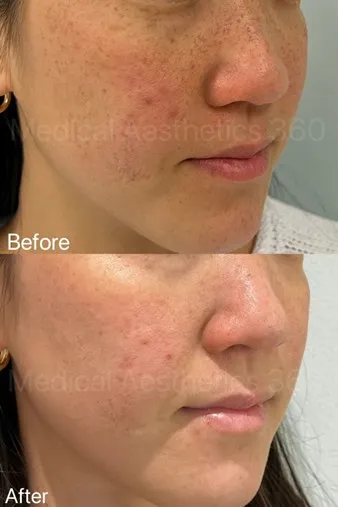
From Uneven to Radiant — Laser Treatment for Pigmentation & Skin tone
This patient attended Medical Aesthetics 360° with ongoing concerns about facial pigmentation, uneven skin tone and persistent redness linked with sun exposure over time.
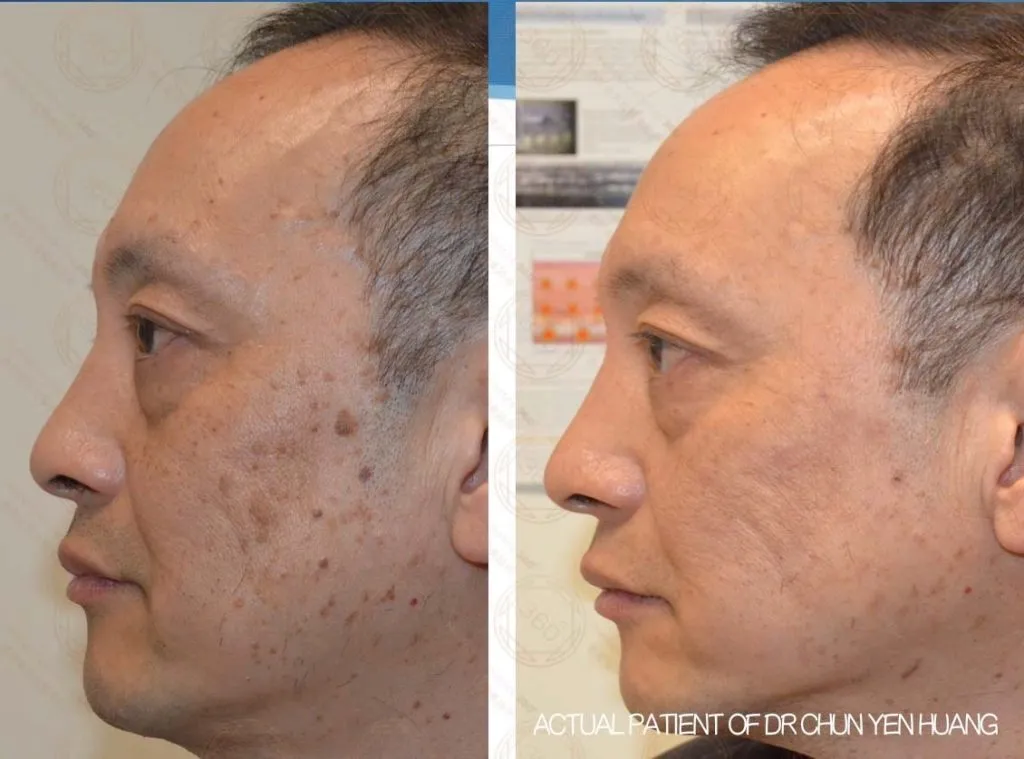
Skin Rejuvenation and Pigmentation Clarification
This gentleman began noticing a gradual increase in bumps and uneven pigmentation on the side of his face. Over time, these spots darkened and gave the skin a rough, tired appearance.
What is PicoSure picosecond laser?
PicoSure is a branded picosecond laser system, often described as a pico laser. A picosecond is one trillionth of a second. It delivers energy in ultra-short pulses to target unwanted pigment while aiming to limit excess heat in the surrounding skin. This is one reason it is often used for pigmentation and skin revitalisation plans.
For pigmentation, the best results usually come from matching the treatment to the type of pigment and the way your skin heals, rather than treating every brown mark in the same way.
What concerns can PicoSure help with?
- Freckles, sun spots and age spots (solar lentigines)
- Solar lentigines and uneven pigmentation
- Patchy or mottled skin tone
- Some benign pigment concerns after a skin check
- Overall tone and skin texture refinement for suitable skin
Not all pigmentation responds the same way. Melasma-prone pigmentation and mixed concerns often need a broader plan that includes sun protection, skincare support and gradual treatment.
Why the 755 nm wavelength and your skin type matter
PicoSure is known for its picosecond pulse delivery and 755 nm alexandrite wavelength. This allows treatment to be planned around the pigmentation concern while aiming to minimise unnecessary heat exposure.
A good plan considers:
- Your pigmentation pattern: freckles, sun spots and melasma-prone pigmentation behave differently
- Your skin type: treatment is adjusted to suit how your skin usually heals
- Your sun exposure history: UV exposure can affect both treatment timing and maintenance
- Your downtime preferences: some plans work best when they are gradual
- Your long-term maintenance: skincare and sun protection help support results
This is why assessment matters. The goal is to choose an approach that suits the pigmentation concern, your skin type and your comfort with downtime. Research has reported improvement in selected melasma patients, but it does not establish permanent clearance or suitability for every skin tone. Read the evidence and its limitations below.
PicoSure for melasma, acne marks and different skin tones
Melasma needs ongoing management
Melasma is different from an isolated sun spot. Treatment may combine sun protection, suitable skincare and selected procedures. Laser is not a guaranteed cure, and irritation can worsen pigmentation.
Our melasma treatment guide explains why diagnosis and maintenance matter before choosing a laser.
Acne marks, scars and pores
Flat brown marks after acne are different from indented acne scars. Pigment-focused treatment and scar remodelling address different concerns; one treatment may not address both.
Compare acne scar treatments and pore and skin texture options when surface texture is your main concern.
Asian skin and darker skin tones
Skin tone, recent tanning, previous pigment changes and healing history all matter. Ethnicity alone does not determine suitability. Skin that pigments easily may need a more cautious approach or another treatment.
Discuss previous laser reactions and your risk of post-inflammatory hyperpigmentation during assessment.
A new, changing, bleeding or otherwise concerning mark needs medical assessment before cosmetic laser treatment.
How PicoSure pigmentation treatment works at MA360
1. Assessment
Your skin is reviewed to help determine whether the concern is likely to be freckles, sun spots, melasma-prone pigmentation, post-acne or post-irritation pigmentation or a combination of concerns.
2. Treatment planning
A plan is tailored around your skin type, previous treatment history, downtime preferences, sun exposure habits and the pattern of pigmentation being treated.
3. Staged care
Many patients benefit from a planned course rather than a one-off session. A gradual plan can be especially helpful when pigmentation is prone to returning.
PicoSure for pigmentation: benefits and considerations
Potential benefits
- May help improve the appearance of freckles, sun spots and uneven pigmentation
- Uses very short picosecond pulses designed for pigment-focused treatment
- Can support a clearer-looking tone and brighter overall complexion in suitable patients
- Often chosen by patients seeking a refined laser option with personalised planning
- May also support broader skin revitalisation as part of a personalised plan
Important considerations
- Not every type of pigmentation is best treated with PicoSure alone
- Melasma-prone pigmentation often needs a careful, gradual approach
- Multiple sessions may be needed
- Temporary redness, sensitivity, mild swelling or darkening of pigment can occur before fading
- Pigment changes can occur; some may persist, particularly in skin prone to post-inflammatory pigmentation
- Good aftercare and sun protection are essential for smooth recovery and maintenance
PicoSure downtime, recovery and aftercare
Recovery depends on the area treated, the treatment plan and how your skin usually responds. Some patients notice only mild redness or sensitivity for a short period, while others may experience temporary darkening of pigment, mild swelling or a sandpapery feel before the skin settles.
Some pigmentation-focused sessions can involve a few days of visible recovery, especially if pigment darkens before fading. It is best to avoid unnecessary heat, excessive sun exposure, picking and friction during recovery.
Final recovery time varies by treatment plan and individual skin response. Read the PicoSure laser aftercare guide for recovery advice and when to contact the clinic.
Possible side effects and risks
- Redness and temporary swelling
- Temporary darkening before pigment sheds or fades
- Dryness, flaking or sensitivity
- Post-treatment pigmentation changes
- Uneven response or recurrence
- Less common complications include blistering, burns, infection, scarring and persistent lighter or darker patches
The most suitable plan depends on your skin type, pigmentation pattern and aftercare. This is especially important when pigmentation has been long-standing, recurrent or affected by sun exposure.
Why choose Medical Aesthetics 360° for PicoSure in Sydney?
- Doctor-led skin assessment before treatment
- Treatment selection guided by your skin and goals
- Personalised care in Chatswood and Hurstville
- Consideration of skin type, pigment type and downtime preferences
- Integrated planning for pigmentation, skin tone and broader skin quality concerns
Meet Dr Chun-Yen Huang and read about his clinical background. Our approach focuses on careful planning, realistic expectations and supporting the skin while working toward visible improvement.
Patients from Chatswood, Hurstville and across Sydney often seek a more personalised plan when pigmentation is long-standing, recurring or difficult to manage with skincare alone.
PicoSure cost in Sydney
The cost of PicoSure treatment depends on the area, the concern and the treatment course recommended after assessment. A small group of sun spots and a broader facial pigmentation plan may require different approaches.
MA360 lists a $100 cosmetic consultation fee, redeemable towards suitable treatment performed on the same day. This is the consultation fee, not the price of a PicoSure laser session.
Contact the clinic for current PicoSure pricing and ask what is included in your proposed course, follow-up and aftercare.
Sessions, results and maintenance
The number and spacing of sessions depend on your diagnosis, skin response and recovery. Your clinician can explain the proposed course and when to reassess before further treatment.
Early darkening, redness or swelling should not be mistaken for the final result. Pigmentation can recur, and new sun-related spots may develop. A maintenance plan may include sun protection, skincare and review.
Discuss upcoming events and travel before committing to dates so there is time for healing and follow-up.
PicoSure vs other pico lasers, Fotona and BBL
“Pico laser” describes a pulse-duration category; PicoSure is a specific brand. The name alone does not tell you which wavelength, handpiece or treatment settings are appropriate for your skin.
PicoSure uses picosecond pulses. Fotona Q-switched systems use nanosecond pulses, while Sciton BBL uses filtered broad-spectrum light. Their different energy delivery means they are not interchangeable treatments.
Compare PicoSure, Fotona and Sciton BBL for pigmentation to prepare questions about the concern being treated, recovery and pigment risk. There is no single best device for every patient.
What about PicoSure tattoo removal?
Tattoo removal is a separate assessment from facial pigmentation. Ink colours, skin tone and the available laser wavelengths affect the plan. Visit our laser tattoo removal page for that treatment pathway.
PicoSure consultations in Chatswood and Hurstville
Choose a Medical Aesthetics 360° clinic on Sydney’s Lower North Shore or in the St George area. When booking, mention PicoSure and your skin concern so the team can confirm the appropriate location and appointment.
MA360 Chatswood clinic
Medical Aesthetics 360°Suite 203/38B Albert Avenue
Chatswood NSW 2067
A Lower North Shore location for patients considering PicoSure in Chatswood and surrounding Sydney suburbs.
Chatswood clinic information and getting here
View Chatswood address on Google MapsMA360 Hurstville clinic
Medical Aesthetics 360°41–43 Dora Street
Hurstville NSW 2220
A southern Sydney location for patients considering PicoSure in Hurstville and the St George area.
Hurstville clinic information and getting here
View Hurstville address on Google MapsClinic enquiries: 1300 338 307. Published hours: Tuesday–Saturday, 9:00 am–5:30 pm; closed Sunday and Monday. Confirm your appointment location and current availability when booking.
PicoSure evidence and further reading
Device information explains how a laser works; clinical research helps show where it has been studied and where uncertainty remains.
- Cynosure: PicoSure technology — manufacturer information on the system and optional handpieces. Options vary by configuration; this does not establish which accessories are available at a particular clinic.
- Chen and colleagues, 2019: picosecond alexandrite laser for melasma — a small study of 20 Asian women with Fitzpatrick type IV skin reported improvement after three treatments, with assessment four weeks after the course. One participant developed temporary post-inflammatory pigmentation. These findings do not prove lasting clearance or generalise to every patient.
- American Academy of Dermatology: melasma diagnosis and treatment — explains personalised treatment and the role of ongoing sun protection.
PicoSure laser frequently asked questions
Is PicoSure good for pigmentation removal?
Why does wavelength matter in PicoSure treatment?
Is a stronger PicoSure treatment always better?
How many PicoSure sessions will I need?
What areas do you service?
Is PicoSure the same as a pico laser?
Can PicoSure remove melasma permanently?
Is PicoSure suitable for Asian or darker skin?
How much does PicoSure cost at MA360?
What should I do after PicoSure?
Can PicoSure treat acne scars as well as acne pigmentation?
Is PicoSure better than BBL or Fotona?
Explore related pigmentation and skin laser treatments
PicoSure is one option within a broader pigmentation and skin quality plan. These related Medical Aesthetics 360° pages may help you compare options for pigmentation, pores, acne scarring, laser technology and clinic locations across Sydney, Chatswood and Hurstville.
Discuss your pigmentation and PicoSure options
Book a consultation in Chatswood or Hurstville to discuss suitability, recovery and the cost of a personalised plan.
Enquire about a PicoSure consultation Call 1300 338 307This page provides general information. Treatment options and expected recovery are discussed during consultation. Outcomes vary between individuals.