LaseMD Laser Skin Rejuvenation
LaseMD is a fractional non-ablative laser treatment designed to support smoother, fresher, more refined-looking skin. By creating micro-channels in the skin, it helps stimulate collagen and elastin while allowing treatment intensity to be tailored to your skin goals, lifestyle and downtime preferences.
At a glance
A popular skin resurfacing option for pigmentation, texture, mild lines, visible sun damage and acne scarring, with treatment plans tailored after consultation.
Common goals
Improve visible pigmentation, dullness, uneven tone, texture changes, fine lines, acne scarring and sun-damaged skin with a treatment plan that fits your skin and recovery window.
Refined resurfacing with a flexible treatment approach
Collagen and elastin naturally decline with age. LaseMD is designed to support skin renewal by creating micro-channels that help stimulate these key building blocks, improving the quality of the skin over time.
The treatment is customisable, convenient and suitable for patients wanting visible skin refreshment without the longer downtime associated with more aggressive resurfacing options.
- Fractional non-ablative laser approach
- Can be adjusted for lighter refresh or stronger resurfacing goals
- Helps support smoother tone, texture and skin quality
- Designed for patients wanting efficiency and flexibility
Who it may suit
LaseMD can suit patients wanting to reduce the appearance of pigmentation, fine lines, wrinkles, uneven tone and textural changes. It is described as safe for all skin types and colours, including tanned skin, when appropriately assessed and planned.
- Visible pigmentation or mild sun damage
- Skin texture concerns or enlarged pores
- Fine lines and early skin ageing changes
- Selected acne scarring concerns
- Patients with realistic expectations and a maintenance mindset
Built for visible skin quality concerns
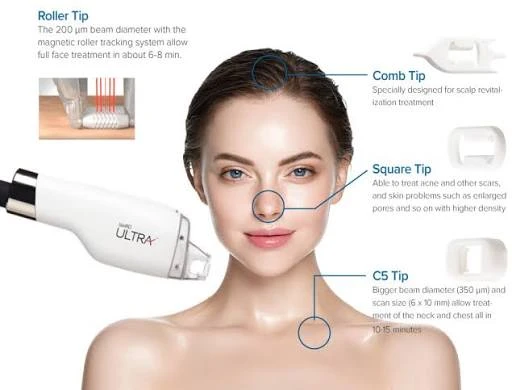
LaseMD may be used across multiple areas where lines, wrinkles and sun damage are present, including the face, neck, décolletage, arms and hands.
Pigmentation & uneven tone
Suitable for patients wanting a fresher, more even-looking complexion where visible pigmentation, sun-related changes or patchiness are concerns.
Pores & skin texture
Helps target rough texture, dullness and surface irregularity for skin that looks smoother, clearer and more refined.
Fine lines & early ageing
A customisable approach for patients seeking gradual improvement in the appearance of mild lines, creasing and early sun damage.
Acne scarring
Lower-intensity and higher-intensity settings can be chosen depending on the type and severity of the skin concern being treated.
Face, neck, chest, hands & arms
Common treatment zones include the face, neck, chest, hands and arms. Treating matched areas together can help create a more balanced overall result.
Glow with low downtime
Especially appealing for patients who are no longer seeing enough from topical skincare alone and want a clinically guided refresh.
Three levels to match your goals and downtime
LaseMD treatments can be adjusted according to the desired outcome, from a gentler glow treatment through to a stronger resurfacing session.
Gentle refresh
A lighter treatment level commonly used for pigmentation, melasma support, acne scarring and general tone and texture refinement. This level typically causes only several hours of redness and is often chosen for a natural glow.
Moderate renewal
Used for patients wanting more visible correction for mild to moderate sun damage and fine lines, while still keeping treatment practical and customisable.
Stronger resurfacing
The strongest level, selected for more significant scarring, stronger textural concerns, sagging skin changes or more severe sun damage. Flaking may last around 5–7 days.
A treatment journey that stays practical
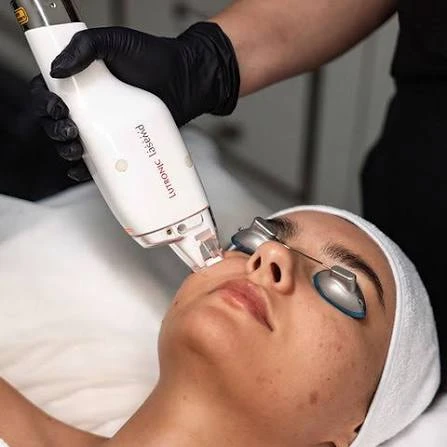
Before treatment, the skin is prepared, topical numbing may be applied, and clinical photos are taken. During treatment, patients often describe a warm, tingling sensation as the applicator passes over the skin.
Numbing is not always necessary for every level and can depend on intensity and personal preference. Combination planning may also be discussed where appropriate.
Consultation & assessment
Skin type, concerns, treatment intensity and suitable areas are reviewed before a tailored plan is recommended.
Treatment day
Sessions generally take around 20–30 minutes, making LaseMD suitable for patients wanting a convenient in-clinic treatment.
Recovery & follow-through
Redness can occur after treatment. Makeup is usually suitable again after 24 hours, while stronger settings may involve a longer visible recovery period.
Visible improvement with maintenance in mind
Many patients notice a difference in tone and texture after their first treatment. Improvements may continue across a treatment series depending on the skin concern being addressed.
- Texture, visible pigmentation and acne scarring may appear reduced
- Results are long-lasting, though not permanent
- Ageing and external factors continue to affect the skin over time
- Home skincare and sun protection remain important
How many sessions are usually needed?
Several treatments may be recommended to reach the desired outcome. Around 3 sessions is a common guide, though the number can vary based on the condition of the skin, the area treated and the treatment level selected.
- Series planning is tailored during consultation
- Annual touch-up sessions are commonly chosen after the initial plan
- Treatment can be adjusted over time depending on response and goals
Frequently asked questions
How long does a LaseMD treatment take?
Most treatments are described as taking around 20–30 minutes, making them a practical option for many patients.
What skin concerns can LaseMD help address?
Common concerns include pigmentation, fine lines, wrinkles, tone and texture changes, acne scarring and visible sun damage.
Is there downtime?
Redness can occur after treatment. Makeup is generally suitable again after 24 hours, while stronger Level III treatments can involve flaking for around 5–7 days.
Which areas can be treated?
The face, neck, chest, arms and hands are common areas. Treating adjoining areas together may create a more balanced overall appearance.
How many sessions might I need?
Around 3 sessions is a common guide, although the exact number depends on your skin goals, treatment level and the condition being treated.
Are results permanent?
Results are long-lasting but not permanent. Ageing and environmental factors continue over time, so maintenance and skincare are important.