


Exosome Treatment Sydney: an evidence‑led guide for skin and hair
Exosomes are one of the most talked-about ideas in regenerative aesthetics. The useful question is not whether the word sounds advanced—it is whether the exact product, delivery method and evidence make sense for your skin or hair.
At MA360, we may consider a carefully selected exosome or extracellular-vesicle preparation as an optional addition to the main procedure—not as a miracle treatment. This guide explains where it may complement Morpheus8, LaseMD, medical microneedling, a skin-quality plan or hair-loss care, and where the evidence is still developing.
What are exosomes—and what does the label really tell you?
Exosomes are tiny membrane-bound particles involved in cell communication. They may carry proteins, lipids and nucleic acids, but two products carrying the same marketing name can be biologically very different.
Where did it come from?
Research has examined extracellular vesicles from adipose-derived cells, platelets, plants and other sources. Findings from one source cannot automatically validate another.
Is it truly characterised?
The scientific term “exosome” should ideally reflect how particles formed and were characterised. Many commercial preparations are more accurately described as extracellular-vesicle-containing products.
What else is in it?
A preparation may contain peptides, proteins, conditioned-media components or skincare ingredients. Any visible effect may belong to the complete formula, not one fashionable word.
How is it being used?
Evidence for topical application after a controlled procedure cannot be transferred automatically to intact-skin skincare or injection of a different formulation.
The international MISEV2023 consensus recommends using the broader term “extracellular vesicle” unless exosome biogenesis has been demonstrated. This improves transparency and makes research easier to compare. Read the MISEV2023 guidance on PubMed.
What are exosome treatments used for?
Online searches often group every use together. In practice, skin rejuvenation, acne-scar support, post-procedure recovery and hair loss are separate questions with different evidence and treatment pathways.
Texture, hydration and fine surface change
Small human studies have reported short-term changes in hydration, elasticity, wrinkles, pigmentation or overall appearance. These are skin-quality goals—not proof of surgical lifting or permanent anti-ageing.
Explore skin hydration and glowA supportive step after controlled treatment
Most encouraging aesthetic evidence involves an extracellular-vesicle preparation used with microneedling, RF microneedling or fractional laser rather than a serum placed on intact skin.
Read the resurfacing aftercare guidePart of a broader correction plan
Research has explored acne scars and pigmentation, but exosomes do not release tethered scars, erase deep defects or diagnose brown marks. The base treatment must still match the concern.
Explore acne-scar treatment planningEmerging support for pattern hair loss
Early studies suggest possible benefit for androgenetic alopecia, but the evidence is less mature and less standardised than for established hair-loss pathways or PRP.
Explore MA360 hair-loss treatmentHow exosomes may complement microneedling, Morpheus8, LaseMD and skin boosters
The base procedure usually does the structural work. A topical adjunct is considered only after the device, depth, energy, skin barrier and recovery plan have been chosen.
Medical microneedling with topical exosomes
Microneedling creates controlled microchannels. A 28-person randomised split-face study found greater short-term improvement when a specific adipose-derived exosome-containing solution was paired with microneedling than when saline was used on the comparison side.
That result is encouraging, but it does not prove that every “exosome facial” uses an equivalent product or protocol.
Read the randomised studyRF microneedling with a separate topical adjunct
Morpheus8 combines microneedles with radiofrequency energy to target texture, selected scars and mild laxity. A 2025 split-face study used three RF microneedling sessions, then compared topical exosomes on one side with PRP on the other. Both sides improved, with no significant difference between them.
The useful lesson is choice—not superiority. Product quality, treatment settings and suitability still matter.
Explore Morpheus8 at MA360Fractional laser first, adjunct second
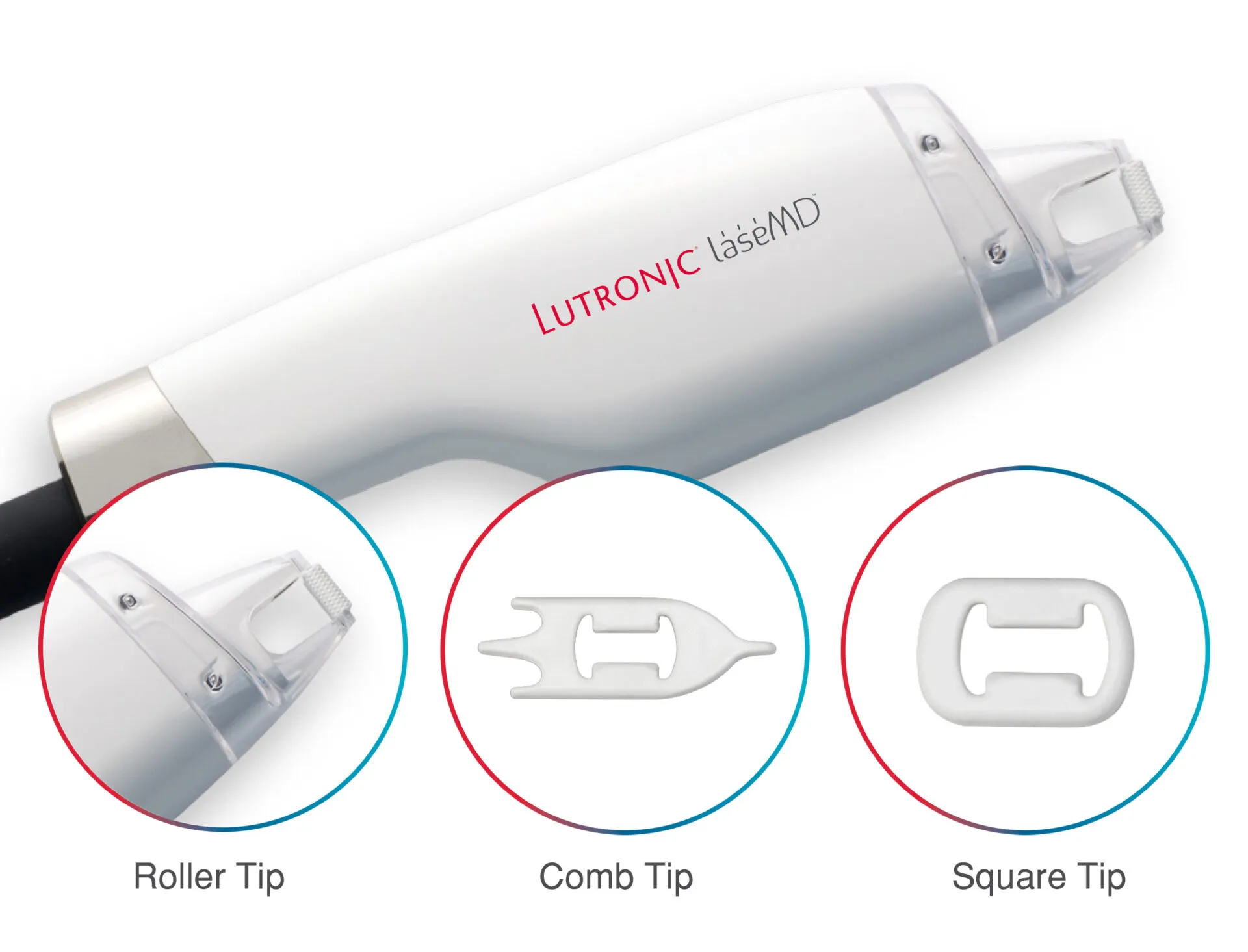
LaseMD uses a 1927 nm thulium wavelength to create microscopic non-ablative treatment zones for selected pigment and surface-quality concerns. Published exosome research includes fractional laser-assisted topical delivery, but not every study used LaseMD and not every formulation is interchangeable.
The laser setting and pigment-risk plan must be chosen for your skin before an adjunct is considered.
Explore LaseMD at MA360Related search terms, different treatments
A skin booster usually refers to an intradermal skin-quality treatment. Exosome-containing preparations are often studied topically after another procedure. They may sit within one staged skin plan, but they are not automatically mixed, injected or substituted for one another.
Good planning separates hydration, pigment, texture, scarring and laxity rather than asking one treatment to do everything.
Compare skin booster treatment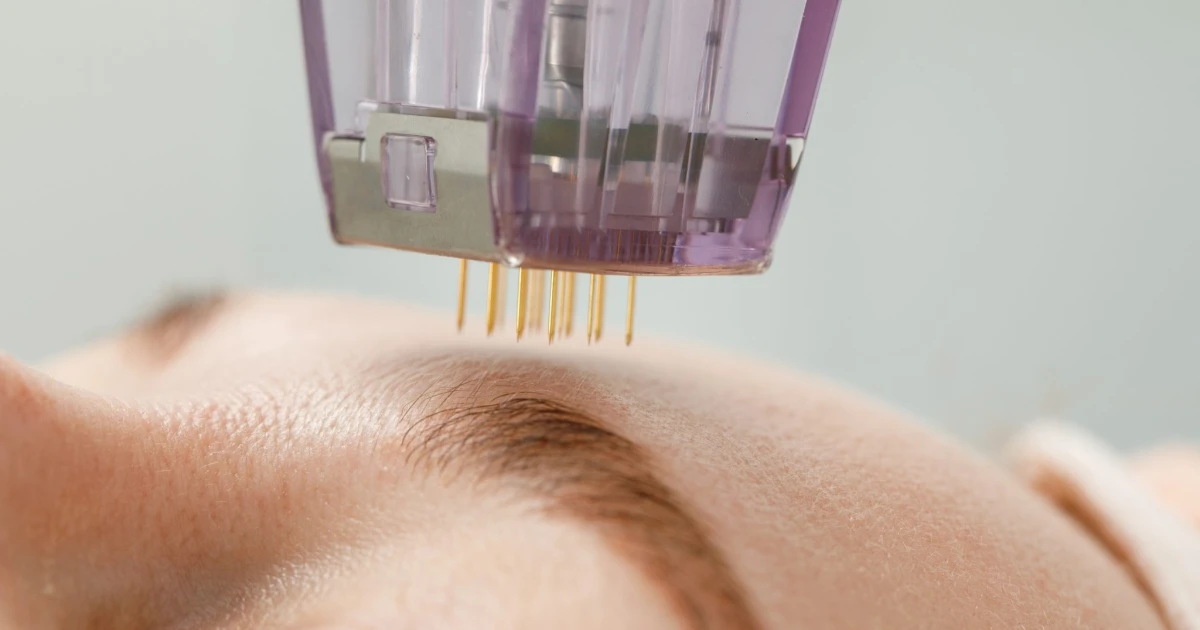
What does the research on exosome skin rejuvenation actually show?
Recent reviews report promising signals for wrinkles, pigmentation, hydration, elasticity and overall skin appearance. The most rigorous 2026 review identified 16 studies involving 503 participants, but judged the certainty of evidence low or very low because products, delivery methods, outcome measures and follow-up varied.
A positive short-term study does not establish long-term safety, an ideal dose or a universal treatment course. It also cannot tell us that a product with a different source or manufacturing process will behave the same way.
Exosome-based and extracellular-vesicle treatments are promising adjuncts in aesthetic medicine. They are not yet standardised enough to support blanket claims such as “repairs every skin cell,” “reverses ageing” or “guarantees faster healing.”
Read the 2026 systematic review · Read the exosome-versus-PRP trial
Exosomes for hair loss: promising, but diagnosis still comes first
“Hair loss” is not one condition. Pattern hair loss, sudden shedding, patchy alopecia, inflammation, iron deficiency, thyroid disease, medication effects and scarring disorders do not share one treatment.
Where current interest is focused
Most clinical interest concerns androgenetic alopecia—male or female pattern hair loss—where follicles gradually miniaturise. Proposed exosome effects involve signalling pathways related to follicle cycling, inflammation and dermal papilla cells.
A 2025 systematic review found 11 clinical studies, including two randomised trials. Every included study reported improvement in at least one hair measure, but study sizes were small and exosome sources, delivery methods, follow-up and outcome measures varied substantially.
That makes exosomes an emerging discussion, not a proven replacement for established medical care, PRP or hair transplantation when those options are more appropriate.
May justify a hair and scalp assessment while follicles are still present and the diagnosis can be clarified.
Needs medical assessment rather than an automatic cosmetic treatment package.
Regenerative adjuncts cannot create unlimited new follicles; transplant assessment may be more realistic.
PRP, Fotona HairRestart, LaseMD, medical options or specialist referral may be considered according to the cause.
Safety questions worth asking before exosome treatment
“Cell-free” does not mean risk-free. The combined treatment includes the risks of the base procedure, the product and the way it is applied.
Ask what is actually being used
Request the product name, biological source, manufacturer, storage method, sterility information, ingredients and intended route. A particle count alone does not prove purity or clinical benefit.
Separate topical use from injection
Evidence for topical use after microneedling or laser does not establish the safety of injecting a product. Route changes exposure, risk and regulatory considerations.
Check skin, scalp and health first
Active infection, inflamed skin, suspicious lesions, impaired healing, pregnancy, immune conditions, allergies and relevant medicines may change or postpone the plan.
In Australia, whether a product is a cosmetic or therapeutic good depends on its claims, composition and use. Therapeutic goods generally require ARTG inclusion unless an exemption, approval or authority applies. Read the TGA guidance.
The US FDA states that it has not approved any exosome products and has reported serious adverse events involving unapproved products. That US warning does not mean every topical cosmetic preparation is identical; it demonstrates why the exact product and route matter. Read the FDA safety alert.
Exosomes vs PRP vs skin boosters
These treatments are frequently searched together, but they come from different sources and solve different planning problems.
| Treatment | What it is | Where it may fit | Important limitation |
|---|---|---|---|
| Exosome / EV adjunct | A product containing or marketed around extracellular vesicles from a specified source. | Often studied topically after microneedling, RF microneedling or fractional laser; emerging hair research. | Products and characterisation vary; long-term and formulation-specific evidence remains limited. |
| PRP | Platelet-rich plasma prepared from your own blood. | Has a broader clinical evidence base for androgenetic hair loss; also studied for skin texture and with microneedling or laser. | Requires blood collection and preparation; protocols vary and results are not guaranteed. |
| Skin booster | An umbrella term for small intradermal skin-quality injections using a named formulation. | Usually chosen for hydration, crepey texture and fine dehydration-related lines. | Does not replace resurfacing, scar correction or meaningful lifting. |
Explore MA360's skin booster guide, Morpheus8 page, LaseMD page and PRP skin and hair guide.
From interest to an individual skin or hair plan
Define the real concern
We assess whether the priority is pigment, texture, scarring, laxity, hydration, recovery support or a diagnosed pattern of hair loss.
Choose the base treatment
Morpheus8, LaseMD, microneedling, a skin booster or a hair pathway is chosen because it fits the concern—not because an adjunct is available.
Review the adjunct
The exact exosome or extracellular-vesicle product, source, route and evidence are considered before it enters the plan.
Heal, review and refine
Aftercare follows the base procedure. Further treatment is based on recovery and response—not an automatic sales package.
Continue your research with MA360
Choose the right base treatment
Morpheus8 RF microneedling →LaseMD fractional laser →Acne-scar treatment planning →Separate hydration from resurfacing
Skin hydration and boosters →Pores and skin texture →Browse skin concerns →Build a diagnosis-led plan
Hair-loss treatments →PRP for hair and skin →Meet the MA360 doctors →Choose the MA360 clinic that suits you
Bring the treatment name—or simply tell us what you have noticed. We will help separate the trend from the treatment that fits.
Exosome treatment FAQs
Straight answers to common searches about exosome facials, microneedling, Morpheus8, LaseMD, skin boosters, hair loss, safety and cost.
What are exosomes?
Is exosome treatment the same as stem cell treatment?
What is an exosome facial?
Does microneedling with exosomes work?
Can exosomes be used after Morpheus8?
Can exosomes be combined with LaseMD?
Are exosomes the same as a skin booster?
Do exosomes help hair loss?
Are exosomes better than PRP for skin or hair?
How many exosome treatment sessions are needed?
What is the downtime after an exosome facial?
How much does exosome treatment cost in Sydney?
Curious about exosomes? Start with the treatment your skin or hair actually needs.
Book a consultation in Chatswood or Hurstville. We will assess the concern, compare the evidence-based options and explain whether an exosome adjunct, PRP, Morpheus8, LaseMD, microneedling, a skin booster or another pathway could be useful in your plan.
General educational information only. It does not replace medical diagnosis or individual advice. Product availability, regulatory status, suitability, treatment method, recovery and results vary. Back to top ↑