Skin tags, raised lumps and bumps—assessed with care. If a growth catches on clothing, rubs on jewellery or sits in a visible area, start with a personal removal plan in Chatswood or Hurstville.
At Medical Aesthetics 360, we assess skin tags, lip growths, eyelid tags and other raised lesions before recommending removal. We consider the diagnosis, location, skin type and healing history, so you can make an informed choice about comfort, appearance and scar risk.
Doctor-led skin tag and lump removal consultations in Chatswood and Hurstville. Suitability is assessed individually; results and healing vary.
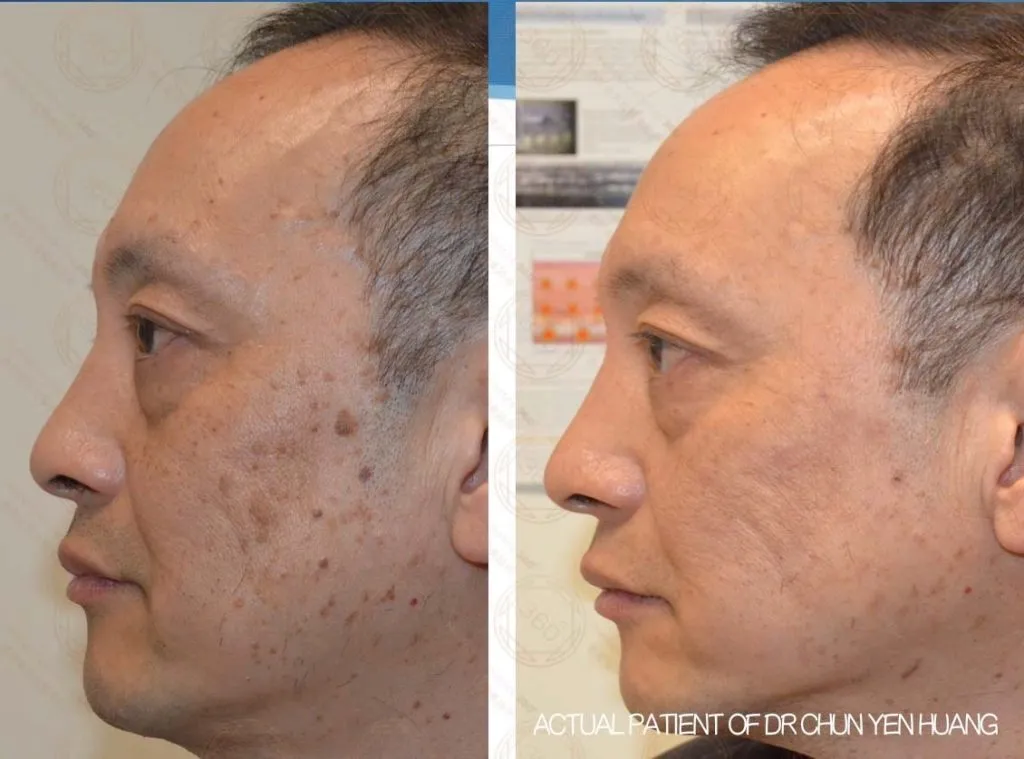
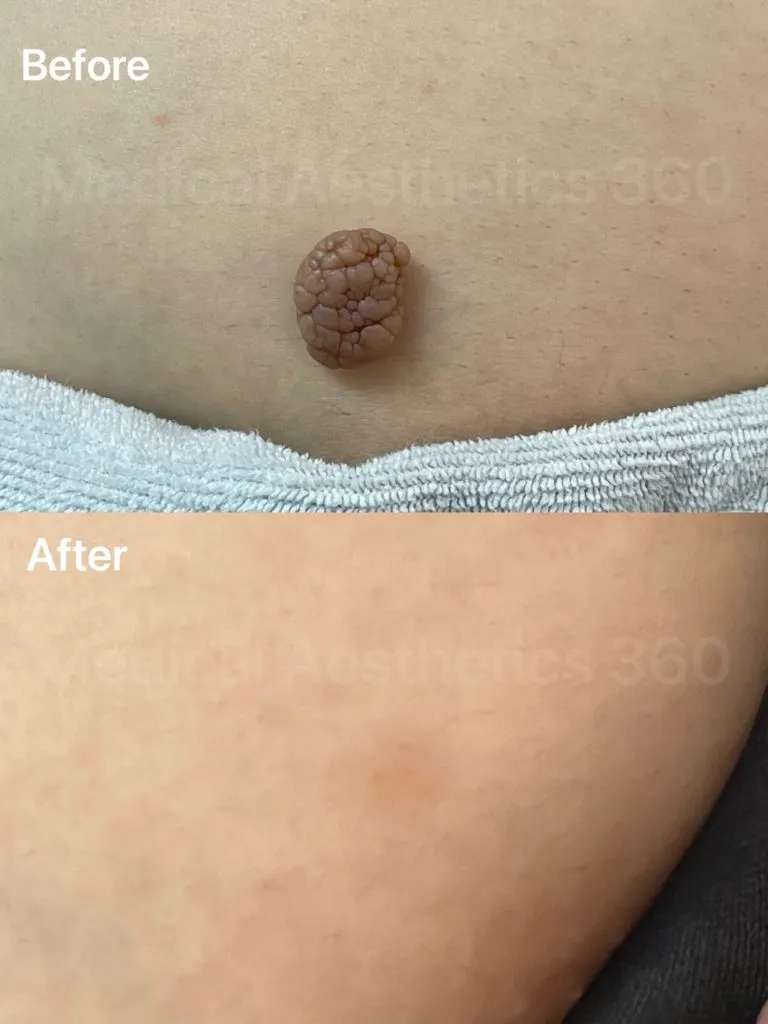
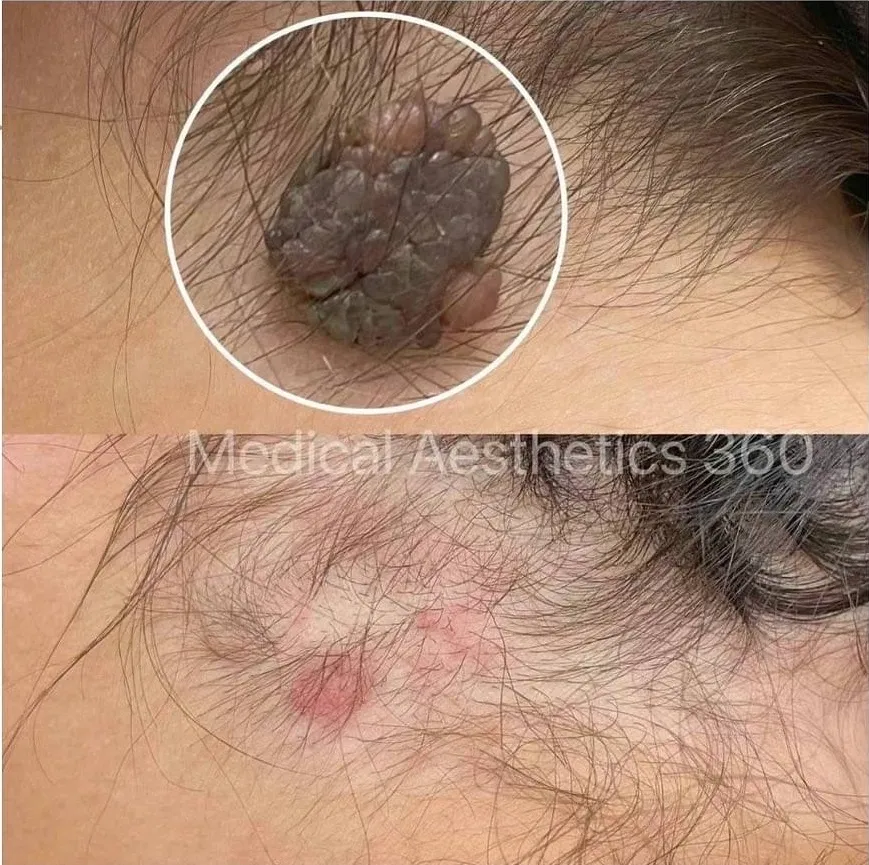
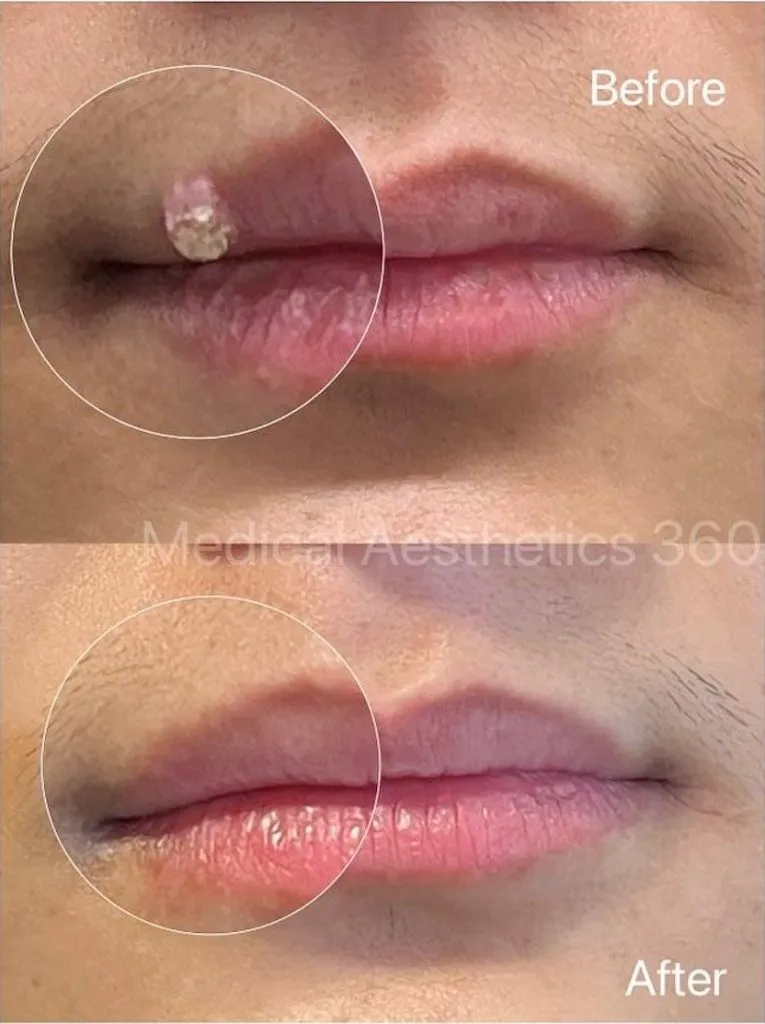
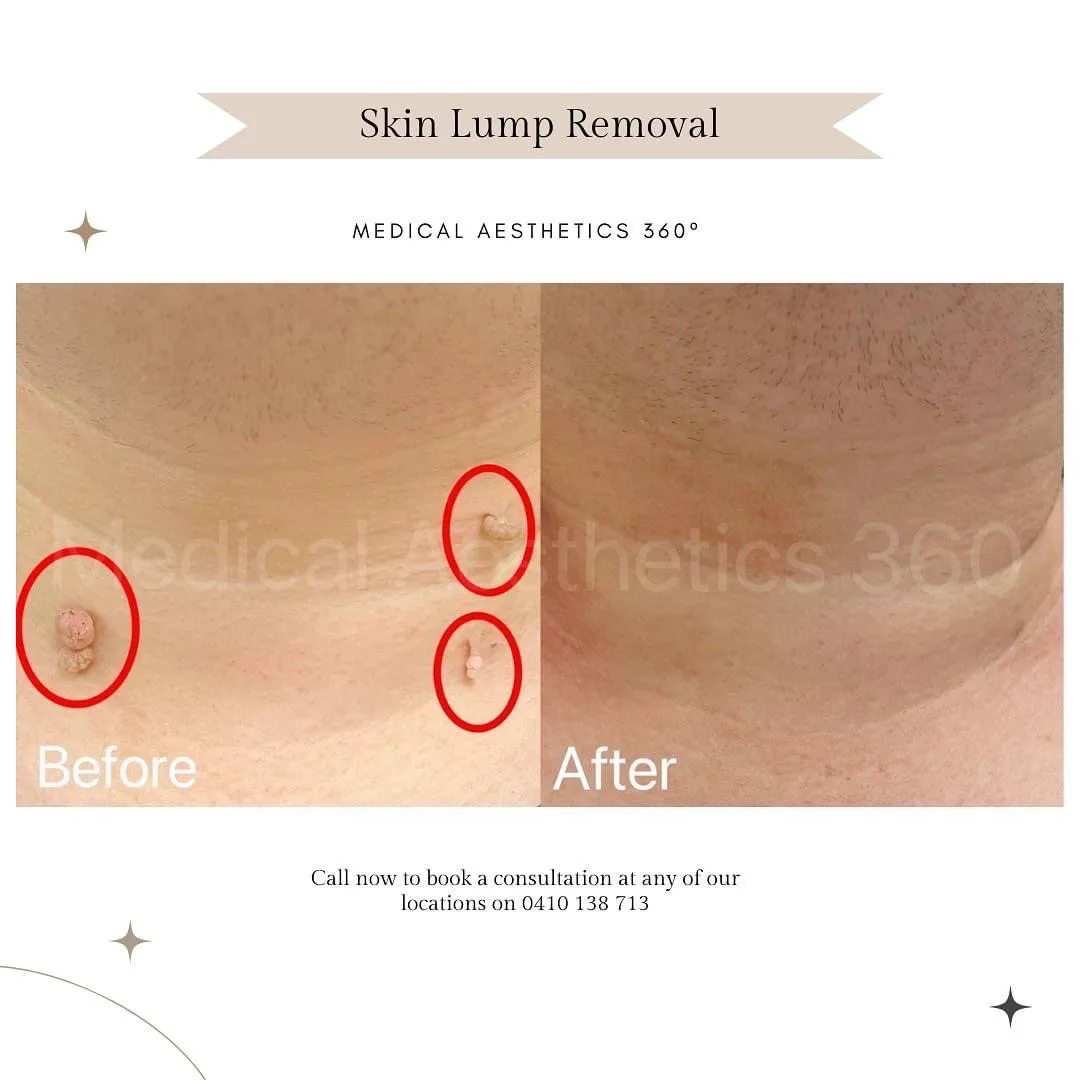
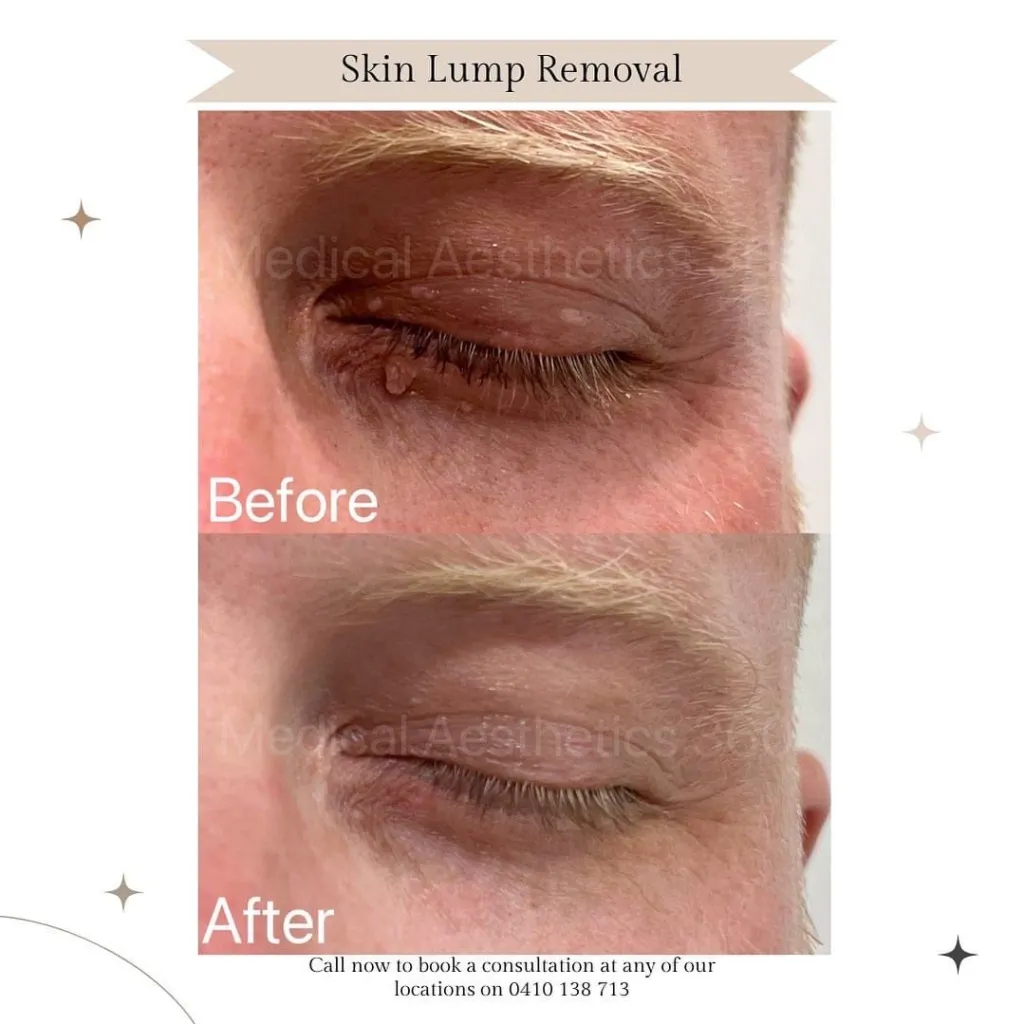
An individual skin lesion treatment example. Suitability, healing and results vary; a scar or colour change may remain.
Assessment firstUnderstand the lesion before choosing a method.
Method matched to youErbium:YAG or CO₂ laser discussed where suitable.
Recovery guidanceAftercare matched to your procedure.
Two Sydney locationsChatswood · Hurstville
Individual clinical examples
Skin tag, lump & raised lesion case studies
Explore the assessment and treatment stories behind these photographs. Skin tags, keratoses and other raised lesions can look similar, but may need different treatment pathways.
Individual results vary. These images do not establish your diagnosis or predict your outcome. Scarring, colour changes, incomplete removal or recurrence may occur. Photographs are shown in full, without cropping. Read about risks and scarring.
Overview
Skin tag, raised lump or bump? Start with a clear plan.
If a lesion catches on jewellery or clothing, becomes repeatedly irritated, or affects the appearance of your skin, a consultation can help you understand your options. Selected benign lesions may be suitable for removal after assessment. Tell your doctor about any bleeding, even if it seems to follow friction.
Visible and friction-prone areas need different planning. The face, eyelids and lip area are more delicate, while body folds may be more prone to rubbing; new skin tags can also develop over time.
Face, eyelids and lip area
Neck and underarms
Chest, back and under-breast folds
Inner thighs and groin area
Scalp, hairline and areas catching on accessories
Professional assessment matters. Not every skin tag, skin lump, mole or raised lesion should be treated the same way. The best method depends on lesion type, thickness, body location, diagnostic confidence and healing goals.
Treatment methods
Erbium:YAG & CO₂ laser skin tag removal
Your diagnosis comes first. For lesions suitable for laser treatment, your clinician can explain how Erbium:YAG or CO₂ relates to the lesion’s thickness, location and your healing priorities.
Erbium:YAG Laser
Erbium:YAG laser may be considered for selected superficial or raised lesions, particularly where controlled treatment and cosmetic finish are important.
Useful for selected facial and visible-area lesions
Precise tissue targeting
Controlled removal approach
Cosmetic goals considered alongside skin response
CO₂ laser
CO₂ laser may be considered for thicker or more fibrous lesions, depending on the doctor's assessment, lesion type and healing priorities.
May suit selected thicker lesions
May assist with larger skin tags or raised bumps
Chosen according to lesion type and location
Treatment is planned with aftercare and scar risk in mind
Not every lump or bump is suitable for laser removal. An uncertain or suspicious lesion may require biopsy, excision for laboratory examination, or referral. Laser destroys treated tissue, so it may be inappropriate when a diagnosis still needs to be established. Depending on the assessment, monitoring, surgical shave removal or excision may be discussed instead, including referral where appropriate. Read the AAD guide to professional skin tag removal ↗.
You do not need to arrive with a treatment chosen. Tell us what bothers you, and we will help you understand the next step.
1
Consultation
We assess the lesion, ask about changes or symptoms, and review your medical history to determine whether removal is appropriate.
2
Personalised Plan
Discuss a method matched to size, thickness, location, skin type, diagnosis and cosmetic priorities. Benefits, alternatives, risks and fees are explained before you decide.
3
Aftercare Guidance
You receive instructions for wound care, scar care and sun protection, including when to seek review and who to contact with concerns.
Bring your concern. We’ll guide the next step.
Whether it is an irritating lump, a recurring neck tag or a delicate eyelid lesion, we can help you understand whether removal is appropriate.
Planning considers both removal and the appearance of the skin as it heals. Depending on the lesion and treatment area, the skin may look pink, slightly raw, dry or lightly scabbed during the early healing phase.
Early changes often settle as the skin recovers. Residual pinkness, colour changes or a scar can last longer, particularly in visible or delicate areas. Your clinician will explain the expected recovery for your procedure.
What to expect after treatment
Mild redness or pinkness in the treated area
Possible dryness, light crusting or superficial scabbing
Healing time varies depending on lesion size and location
Sun protection and aftercare are important
Individual healing and results vary from person to person
Care beyond removal
Give healing the attention it deserves.
Follow your clinician’s dressing instructions and avoid rubbing or picking the treated skin. Ask when to resume shaving, makeup, exercise and your usual skincare.
Once the skin has closed, sun protection can help protect the healing area. Increasing pain, spreading redness, discharge or persistent bleeding needs clinical advice.
Cosmetic-minded treatment aims for a neat result, but any procedure that removes or treats skin can leave a mark. No technique can guarantee a completely scar-free outcome.
Raised, deep or long-standing lesions may heal differently. Highly mobile areas such as the lip need extra planning, and a history of raised scars or pigment changes matters.
What your consultation should cover
Scarring and changes in skin colour or texture
Bleeding, infection and delayed healing
Incomplete removal or a lesion returning
Whether tissue testing or referral is needed
Aftercare, follow-up and when to seek advice
Plan with clarity
How much does skin tag removal cost in Sydney?
Your fee depends on the lesion’s type, size, number and complexity, the removal method and whether further medical assessment is required.
A treatment plan before you decide
A personalised quote is provided after assessment. Ask which consultation, procedure, pathology and follow-up fees apply to your proposed care.
Bring the details that matter
Let your doctor know about changes to the lesion, medicines, previous removal attempts and any history of difficult healing. Discuss your schedule if you have an upcoming event or travel.
Your local MA360 clinic
Skin tag removal in Chatswood & Hurstville
Choose your clinic for skin tag, raised lump or skin bump assessment. Our team can help arrange your appointment and confirm the appropriate location.
Sydney’s North Shore
Skin tag removal Chatswood
Medical Aesthetics 360° Chatswood Suite 203, Level 2, 38B Albert Avenue Chatswood NSW 2067
Visit our Albert Avenue clinic near the Chatswood train, Metro and bus interchange. Plan your journey using the clinic’s access and directions guide.
Medical Aesthetics 360° Hurstville 41–43 Dora Street Hurstville NSW 2220
Visit our Dora Street clinic opposite Hurstville Library, near Hurstville Station. Confirm your treatment address when the team arranges your appointment.
Select your preferred clinic on the enquiry form, or call 1300 338 307. An enquiry is confirmed by our team before your visit. Treatment availability and suitability are discussed individually.
Your questions, answered
Skin tag & raised lump removal FAQs
Practical answers to help you prepare for your consultation.
Why do I need a consultation first?
A consultation lets your clinician assess the lesion, review your history and discuss a suitable pathway. Similar-looking tags, moles and lumps can have different diagnoses; some need investigation or referral before removal.
Can all skin tags and moles be treated the same way?
No. The method depends on lesion type, size, thickness, location, skin type and healing considerations. A mole that needs laboratory examination may require biopsy or excision rather than laser treatment.
Will there be scarring?
Any procedure that treats or removes skin can leave a temporary or lasting mark. Careful planning, precise treatment and aftercare aim to support neat healing, but scar-free results cannot be guaranteed. Changes in pigmentation or texture can also occur.
Is there downtime?
Some small lesions may involve limited interruption to daily activities, but redness, dryness, crusting, tenderness or residual pinkness can occur. Downtime depends on the method, number of lesions and treatment area. Ask about work, exercise, makeup and any upcoming events.
How much does treatment cost?
Pricing varies with the lesion type, number, size, location and recommended method. A personalised quote is provided after assessment. Ask whether consultation, pathology and follow-up fees are included.
Can skin tags come back after removal?
New skin tags can develop, and a treated lesion may recur or need further review. If a growth returns or changes, arrange an assessment rather than assuming it is the same type of lesion.
Can all raised lumps and bumps be removed with laser?
No. A raised lump is a description, not a diagnosis. Some superficial benign lesions may be suitable for laser, while deeper, uncertain or suspicious lumps may need investigation, another procedure or referral.
Can eyelid tags and lip growths be removed?
Selected lesions may be suitable after assessment. These areas need particular care because of delicate anatomy and, for eyelids, proximity to the eye. Your clinician will discuss whether treatment at the clinic or referral is more appropriate.
Can I book skin tag removal in Chatswood or Hurstville?
Yes. Medical Aesthetics 360 provides assessment and treatment planning through its Chatswood and Hurstville clinics. Choose your preferred clinic on the contact form; the team will confirm the appointment and treatment location.
What if my skin tag or lump has changed or started bleeding?
Arrange prompt medical assessment before considering cosmetic removal. A changing, bleeding, crusting or unusual lesion may need further investigation. A photograph or online comparison cannot determine whether it is benign.
Related links
Further Reading and References
Read individual treatment stories, plan your aftercare or explore the wider skin and laser guide.
Diagnostic assessment matters before cosmetic removal. The study below concerns diagnostic accuracy, not proof of cosmetic results or scar-free healing.
General information only. Suitability, diagnosis, risks, expected healing and whether further medical review is required are discussed during consultation.
Your next step
Ready to address that irritating tag or raised bump?
Tell us what you have noticed and what you would like help with. Start with a skin tag or raised lump assessment at Medical Aesthetics 360 in Chatswood or Hurstville.