

Acne Scar Treatment in SydneyA clearer plan for smoother-looking skin.
Acne has settled, but the pits, uneven texture or marks remain? Start with a doctor-led assessment of what your skin needs.
At MA360, we match laser and RF microneedling options to your scar pattern, skin tone and recovery preferences. You do not need to choose a device before you book.
$100 cosmetic consultation. Redeemable towards suitable treatment performed on the same day. Treatment fees are quoted separately; suitability, results and recovery vary.
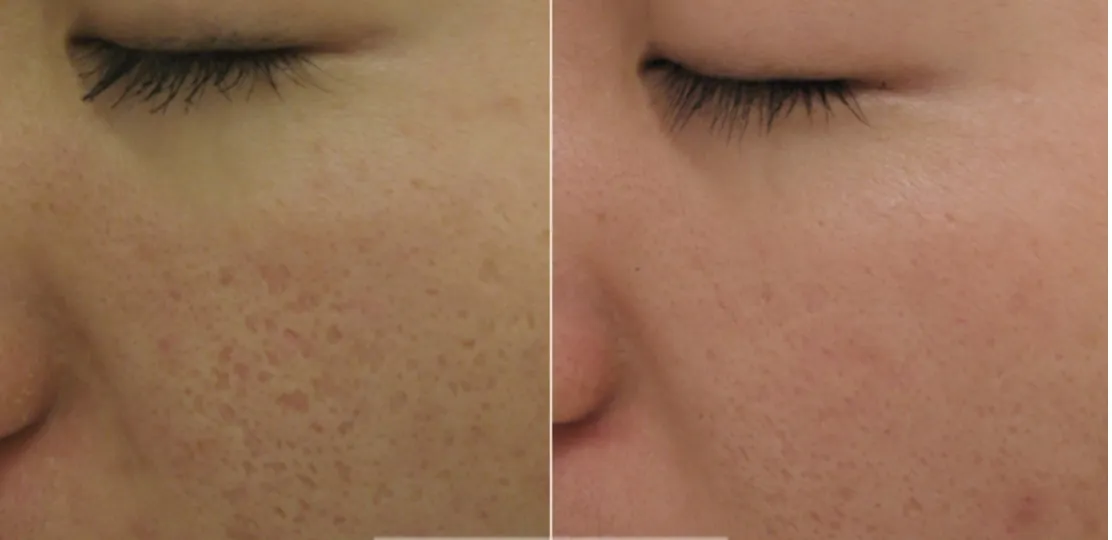
An individual case, not a prediction of your result. Lighting, angle, treatment timing and healing affect how photographs look.
Understand your scars.
Know what may help.
The value of a consultation is a clearer treatment direction—not another device to choose on your own.
An indentation, a brown mark and a red patch can look like one problem while needing different care. Your assessment separates true scars from pigmentation, redness, pores and active acne.
Bring your concerns, previous treatment history and any upcoming events. We can discuss which changes are achievable, which option may suit you, and what recovery could involve.
Get to know MA360 and our doctors, or read Dr Chun-Yen Huang's clinical background.
A plan you can weigh up
- Your scar pattern: ice-pick, boxcar, rolling, raised scars or a mixture.
- Your skin: tone, pigment tendency, active acne and previous reactions.
- Your options: likely benefits, limitations, alternatives and referral needs.
- Your practical questions: recovery, treatment sequence, costs and review.
Which acne scars or marks are you noticing?
Several types can appear on the same face. These descriptions help you prepare questions; a consultation determines the diagnosis and treatment.
Ice-pick scars
Narrow, deeper pits. Surface resurfacing alone may not address their full depth. Focused scar techniques or referral may need discussion.
Understand treatment options ↓Boxcar scars
Wider depressions with more defined edges. Shallow and deep boxcar scars may need different resurfacing or focused treatment.
Compare resurfacing options ↓Rolling scars
Broad, wave-like depressions. Underlying tethering needs assessment; resurfacing may not address it on its own.
Discuss treatment pathways ↓Brown acne marks
Post-inflammatory pigmentation changes colour without necessarily creating a pit. A pigment-focused pathway may be more appropriate.
Explore pigmentation care →Red acne marks
Red or pink marks need a different assessment from pitted scars. Inflammation, redness and the skin barrier guide the next step.
Explore redness care →Raised scars
Hypertrophic and keloid scars sit above the skin. They need a different assessment from depressed scars, with suitable treatment or referral discussed.
Discuss a raised scar →If pores or surface roughness are your main concern, explore pores and skin-texture care. For a fuller explanation of scar patterns, read our acne-scar treatment guide.
Laser and RF options for acne scar treatment in Sydney
Different technologies have different roles. The most useful choice depends on the scar—not simply the strength or name of a device.
See our Morpheus8, Er:YAG and CO2 comparison to prepare questions about benefits and recovery.
Unsure which option fits? Tell us what you notice and how much recovery you can manage. Your assessment helps narrow the choices.
Request a personalised assessmentTreat in stages.
Review what changes.
Mixed scars rarely need every option at once. A considered sequence allows time to recover and assess the response.
Active acne, irritation or pigment risk may need attention first. Your clinician can then discuss which scar concern to prioritise and when it makes sense to reassess.
Assess the whole picture
Map scars, marks and active acne alongside your medical and treatment history.
Agree on the next step
Compare suitable options, expected limitations, costs and recovery before deciding.
Allow healing and review
Visible recovery and collagen remodelling follow different timelines. Review your response before further treatment.
Acne scar before-and-after cases: understand the treatment context
Explore the scar pattern and approach behind each case. These examples show individual care, not a promised outcome or a comparison between devices.
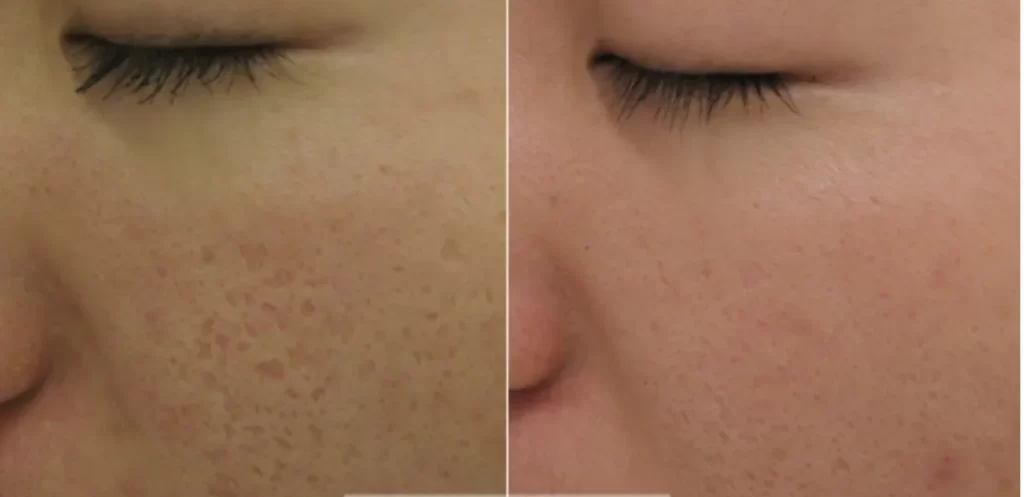
Boxcar and ice-pick scars
Read about fractional resurfacing in a case involving depressed cheek scars.
Read the CO2 case →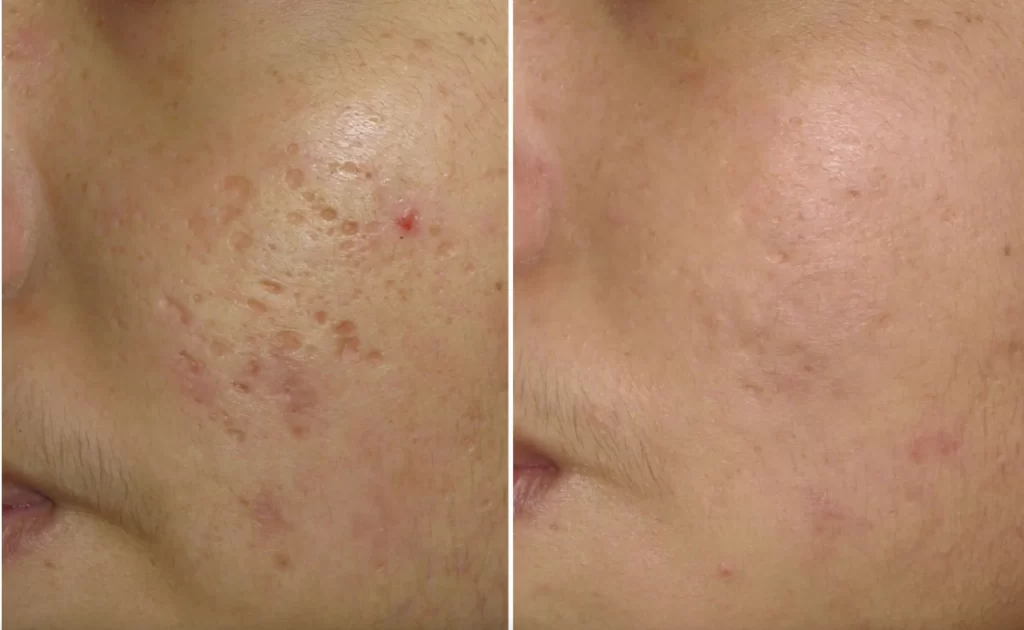
Mixed acne scarring
Explore a case involving mixed cheek and temple scars and RF microneedling.
Read the Morpheus8 case →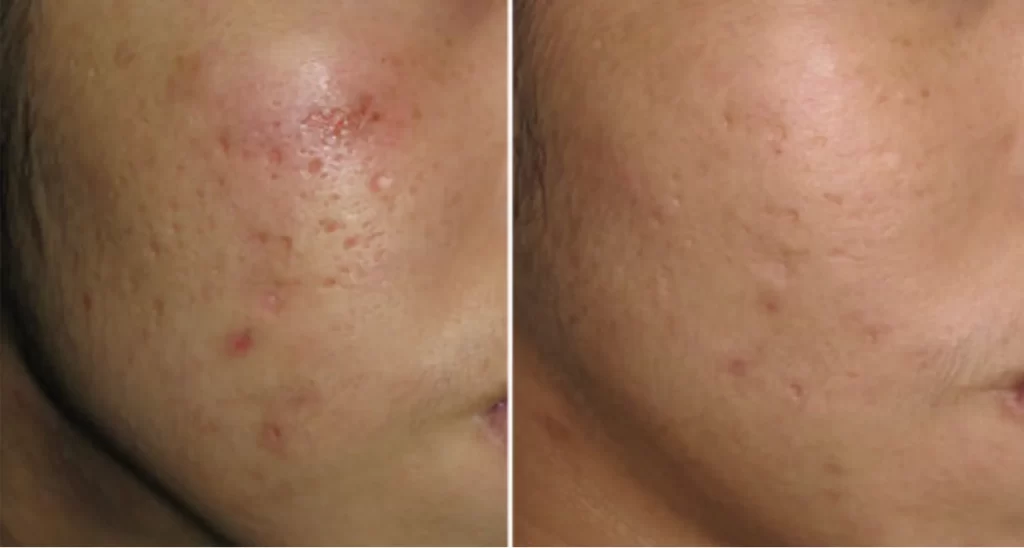
Mixed textural scars
See the context behind an erbium resurfacing plan for uneven scar texture.
Read the erbium case →Outcomes differ between people. Photography, skin condition, treatment timing and healing can affect appearance.
Explore more MA360 skin and laser case studies.
Plan for healing, skin tone and aftercare.
Downtime depends on the procedure, intensity, area and your skin's response. Lower surface disruption does not mean a treatment is risk-free.
Redness, swelling, tenderness, peeling, crusting or bruising can occur. More intensive resurfacing may involve a longer period of visible recovery. Ask about when to resume work, exercise and your usual skincare.
Pigment-prone or darker skin needs particular attention to previous reactions, recent tanning and post-inflammatory pigmentation. Discuss active acne, medicines, cold sores, raised scars and healing history before treatment.
Understand the risks before deciding
Potential complications include infection, prolonged redness, pigment darkening or lightening, burns, persistent marks and additional scarring. Serious complications including fat loss and nerve damage have also been reported with RF microneedling.
Your clinician discusses risks and alternatives relevant to the proposed treatment. Seek prompt clinical advice for worsening pain, spreading redness, blistering, discharge or concerns about healing.
Acne scar treatment cost in Sydney
Your treatment quote depends on the scars being treated, the area, the procedure and the proposed sequence.
A small focal scar concern can need a different plan from widespread mixed scarring. Ask about the fee for each stage, what is included, aftercare and review, and the likely overall commitment.
You can discuss a treatment quote after assessment and consider the recommendation before proceeding. Visit our consultation and pricing guide, or contact MA360 with your pricing questions.
Doctor-led cosmetic consultation
$100Consultation fee, not the price of an acne-scar procedure.
Redeemable towards suitable treatment performed on the same day. Suitability and available treatment are assessed during consultation; same-day treatment is not guaranteed.
Acne scar consultations in Chatswood and Hurstville
Mention your acne-scar concern when enquiring so the team can confirm the appropriate clinic and appointment.
Chatswood · Lower North Shore
Suite 203/38B Albert AvenueChatswood NSW 2067
Explore local treatment information and plan your visit to MA360 Chatswood.
Hurstville · St George
41–43 Dora StreetHurstville NSW 2220
Explore local treatment information and plan your visit to MA360 Hurstville.
1300 338 307 · Published hours: Tuesday–Saturday, 9:00 am–5:30 pm. Confirm your appointment location and availability when booking.
Acne scar treatment FAQs
Can acne scars be completely removed?
Which treatment is best for pitted acne scars?
Is CO2 laser better than Morpheus8 for acne scars?
How many acne scar treatment sessions will I need?
Can Asian or darker skin tones have acne scar treatment?
Are brown or red acne marks the same as acne scars?
Should I treat active acne before the scars?
How much does acne scar treatment cost at MA360?
Can I have treatment on the day of my consultation?
Where can I book an acne scar consultation in Sydney?
Clinical information and further reading
This page provides general information. It does not replace an individual assessment. Published research does not predict an individual result.
Bring your concerns.
Leave with a clearer direction.
Understand your scars, compare suitable options and discuss the recovery and costs involved. Request a doctor-led consultation at MA360 Chatswood or Hurstville.
$100 cosmetic consultation, redeemable towards suitable same-day treatment.
Treatment suitability, results and recovery vary between individuals.