


Texture, resilience and fine lines
A skin biomodulation or skin-quality plan may be considered for thin, less resilient or crepey-looking skin. Active acne, pigmentation and significant scarring usually require a different approach.
Bio-remodelling is for people who want to improve skin quality and support over time, while still looking like themselves.
At MA360 in Chatswood and Hurstville, we begin with what has changed in your skin—not the name of a trending treatment. After assessing collagen loss, laxity, hydration, texture and facial structure, we can explain whether a biostimulator, another skin-quality treatment, an energy-based option or no treatment is the most appropriate path.
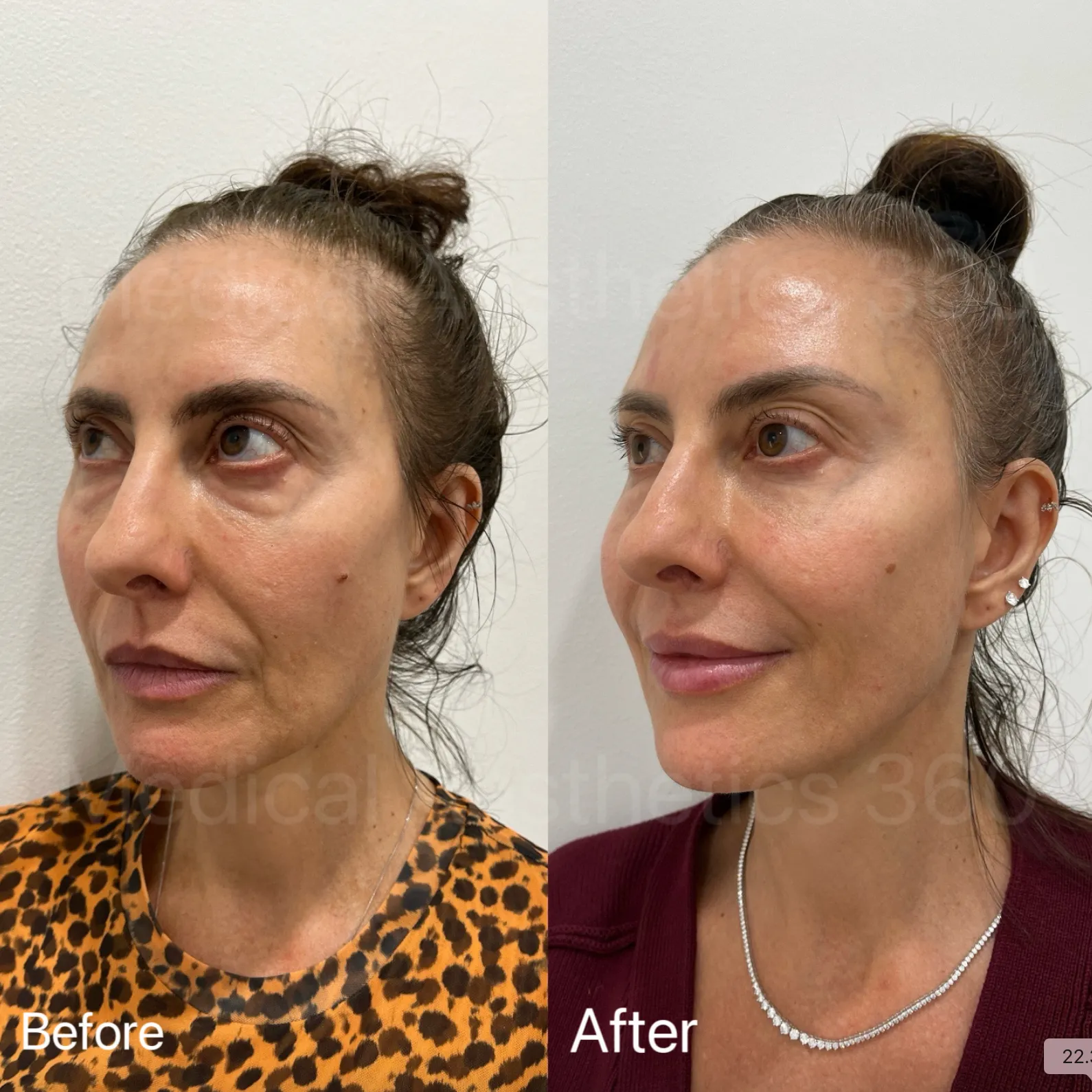
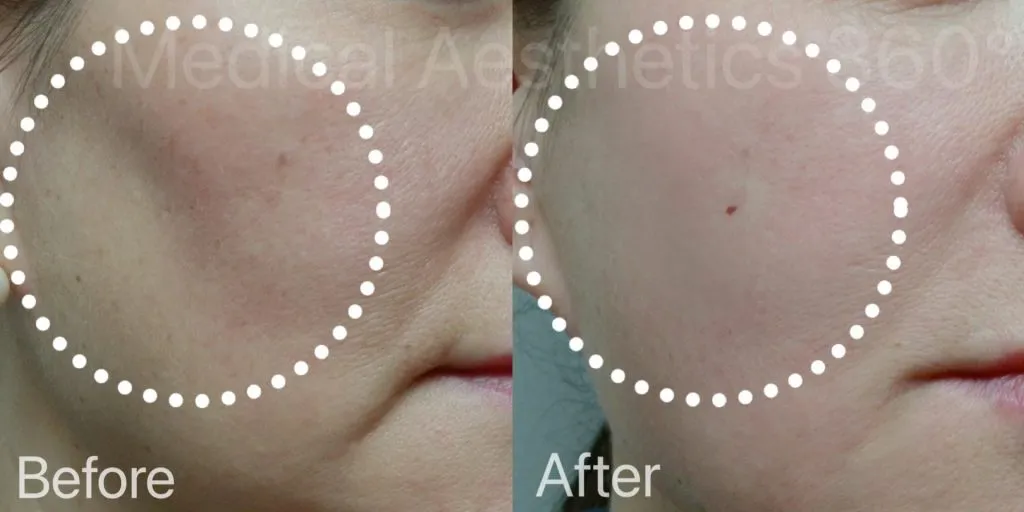
These terms are often grouped together, although they do not describe exactly the same thing. The most useful distinction is what a treatment is designed to change.
A biostimulator is usually an injectable treatment intended to prompt a controlled collagen response. Depending on the material and technique, it may be used to support firmness, texture or selected areas of facial structure.
Biomodulation is a wider concept. It refers to influencing the skin environment and its renewal processes rather than simply adding volume. The term bio-remodelling is commonly used for treatments intended to improve hydration, elasticity and overall skin quality over time.
Crepey skin, early laxity and reduced facial support can appear together, but they are not the same concern. A natural collagen stimulation plan should identify which tissue has changed before a treatment is selected.
A skin biomodulation or skin-quality plan may be considered for thin, less resilient or crepey-looking skin. Active acne, pigmentation and significant scarring usually require a different approach.
In a suitable patient, gradual collagen support may soften the appearance of early laxity. It cannot reposition tissue in the way surgery can, and it should not be presented as a guaranteed lift.
Some biostimulatory materials may also provide structural support. Facial width, fat distribution, previous injectables and the possibility of unwanted fullness all need to be considered.
The categories can overlap, but each begins with a different purpose. The right comparison depends on whether the concern sits mainly at the skin surface, within the skin or in deeper facial support.
Explore MA360’s skin hydration and skin-quality treatments, skin tightening pathways and regenerative skin-quality information.
Before going ahead, you should understand what is proposed, why it suits your concern, what recovery may involve and when the plan will be reviewed.
Discuss your goals, medical history, medicines, allergies, dental timing, previous procedures and any history of swelling, nodules or complications.
Examine the skin and deeper tissues at rest and in movement, then compare the options that genuinely match the concern.
If appropriate, prepare the skin carefully and follow the agreed placement plan. Technique, treatment area and comfort measures vary.
Allow the early response to settle and assess change over time. Any further treatment should follow reassessment rather than an automatic top-up.
Before your visit, meet the doctors and review the treatment price guide.
A systematic review reported improvements in measures including elasticity, wrinkles and facial volume for the two collagen-biostimulator categories it assessed. However, study methods, treatment protocols and follow-up periods varied, and the authors called for more research into long-term safety and standardised technique.
The findings offer useful context, but they cannot predict an individual result. The proposed material, amount and placement still need to be considered alongside anatomy, health history, practitioner training and follow-up.
Recovery varies with the material, treatment area, technique, health history and individual response. Even a treatment described as having minimal downtime can cause visible swelling or bruising.
If PLLA is recommended, read the PLLA (Sculptra) aftercare guide alongside your treating clinician’s individual instructions.
These MA360 case studies place skin quality and facial support in a broader treatment context. Each journey is individual, may include more than one treatment and cannot predict another person’s result.
A layered, personalised approach to facial balance, support and skin quality for a patient wanting to look rested rather than changed.
Read the complete case study →
A case focused on selected areas of support while maintaining natural expression and the patient’s recognisable features.
Read the complete case study →Individual results vary. Images are published with consent for educational context. Anatomy, skin quality, treatment history, technique and healing response can all affect outcome.
Clear answers to common questions about collagen stimulation, treatment timing, suitability and recovery.
Tell us what has changed and what you hope to improve. At our Chatswood and Hurstville clinics, we can help you compare the skin-quality, collagen-support and tightening options that make sense for you.
An individual consultation can help you compare suitability, expected recovery and costs.