Home » Treatment » Non-Surgical Rhinoplasty

Non-Surgical Rhinoplasty

Non-Surgical Nose Consultations in Sydney | MA360
Medical Aesthetics 360 | Chatswood & Hurstville

Non-surgical nose consultations in Sydney

A non-surgical nose consultation looks at your bridge, tip and contours, as well as how your nose fits with your overall profile. The aim is subtle refinement that still looks like you.

At MA360, we begin with your anatomy and the change you would like to see. Your doctor will explain whether a conservative non-surgical option may be suitable or whether a surgical opinion is likely to offer a safer, more predictable result.

Book a nose consultation
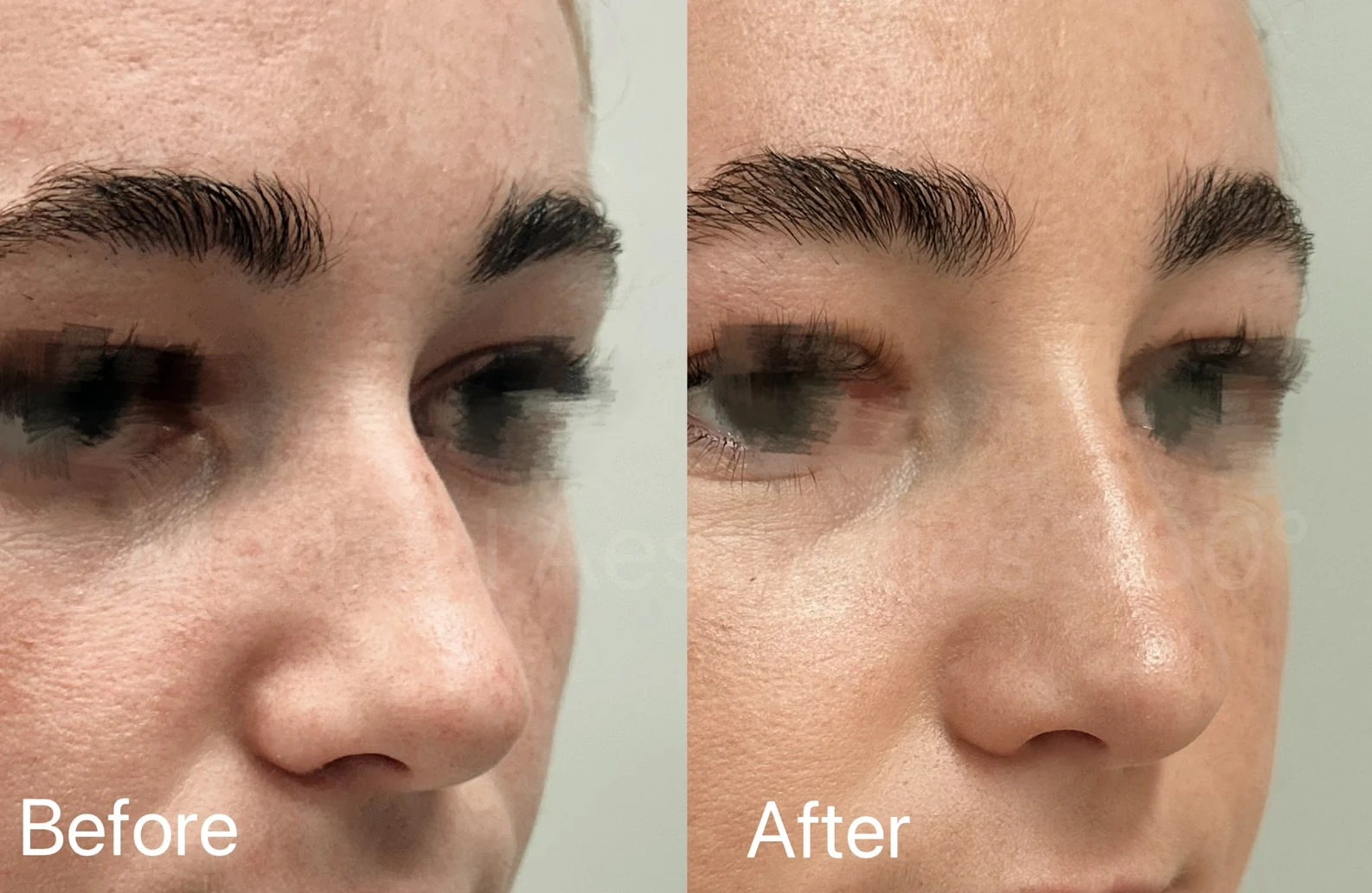
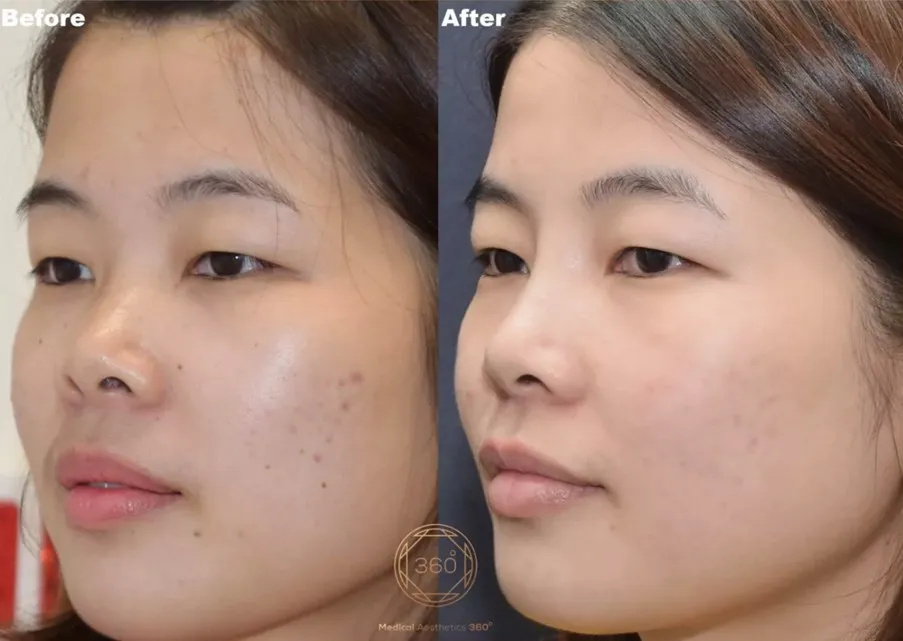
Before and after oblique views of non-surgical nose bridge and contour refinement
Clinical example: a smoother bridge line and more balanced three-quarter view. Anatomy, treatment and results vary from person to person.
Focus
Bridge, tip and profile balance
Best for
Selected, subtle changes
Approach
Individual medical assessment
Clinics
Chatswood and Hurstville
Patient examples

Subtle changes from the front and side

These photographs show individual patient outcomes and should not be taken as a standard result. They are displayed in their original proportions without cropping.

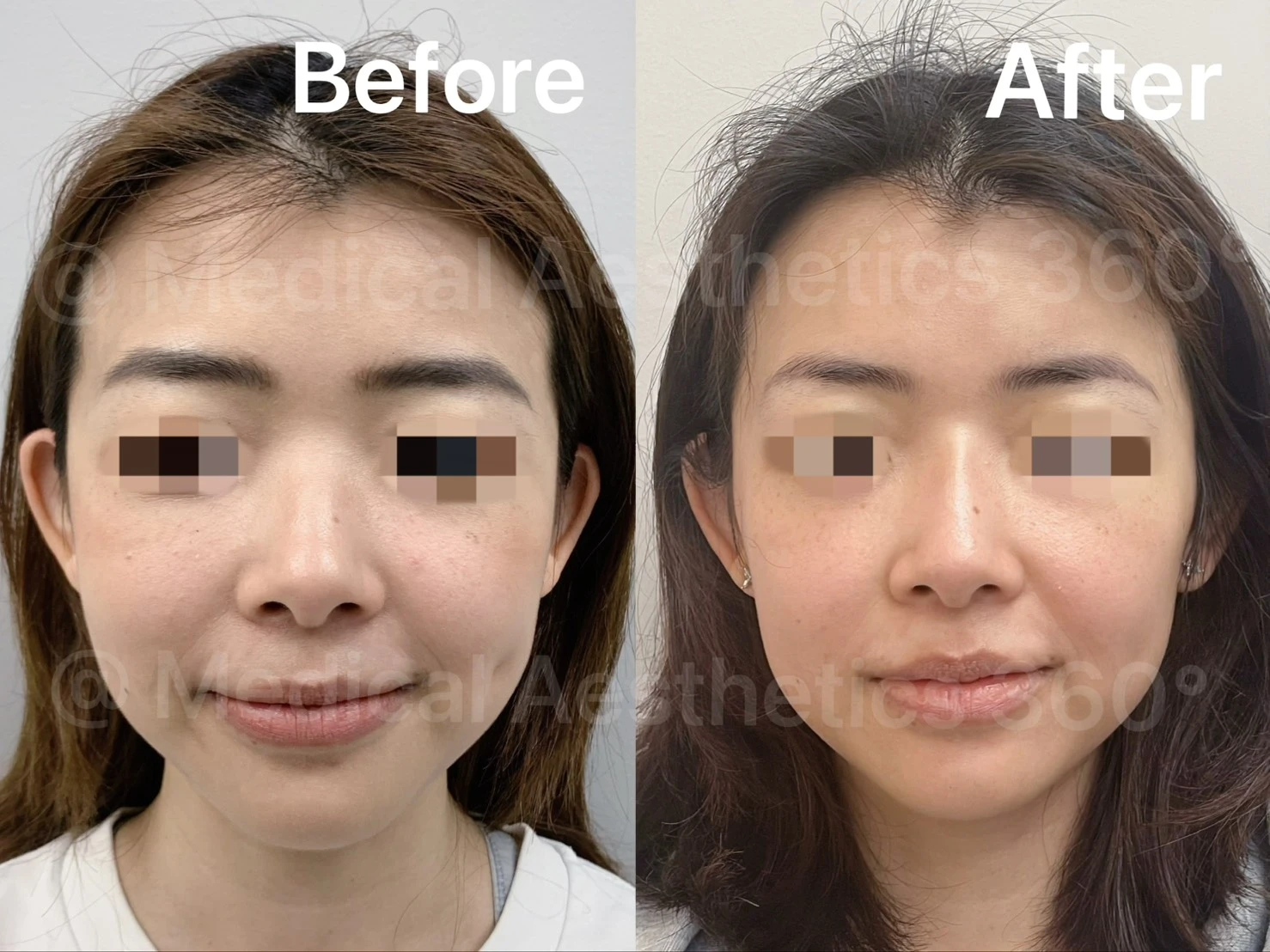
Before and after front views showing nasal bridge definition and facial balance
Front-view example: bridge definition is assessed in relation to the eyes, cheeks, lips and lower face.
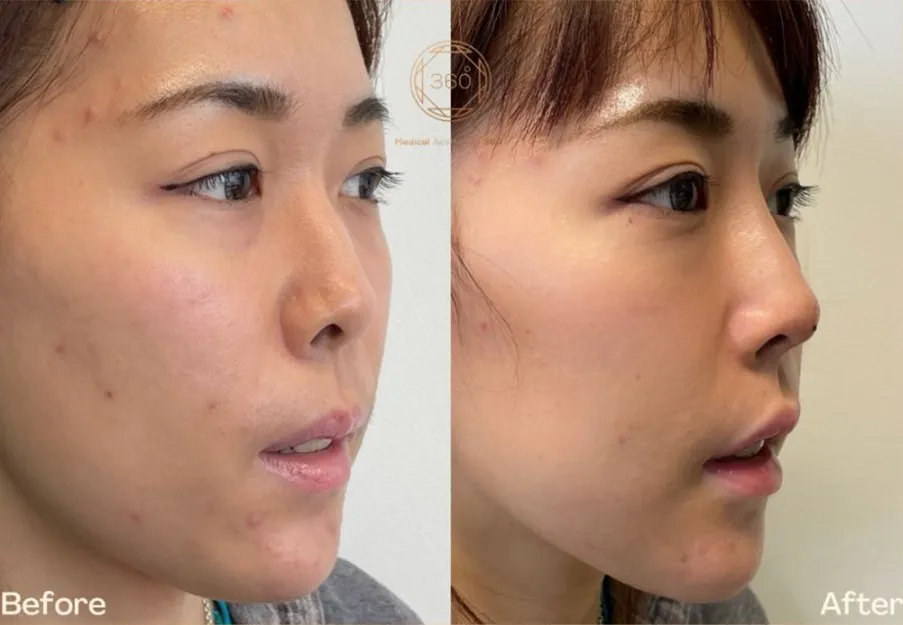
Before and after side-profile views showing nasal bridge and tip refinement
Side-profile example: refining the contour can create a smoother line from the forehead to the nasal tip.
Understanding the treatment

What can a non-surgical nose consultation address?

During your assessment, your doctor will consider whether a carefully chosen technique could create a smoother bridge line, improve tip support or soften the appearance of a small contour difference. This is often called non-surgical rhinoplasty or non-surgical nose reshaping, but unlike surgery, it does not reshape the nasal bones or cartilage.

That difference is important. Adding support in one area may make the profile appear straighter or more balanced, but it cannot physically make the nose smaller. Your plan should be based on the change you want, what your anatomy allows and the limits of each option—not on a promise of a particular procedure.

It may help with

  • A low or less-defined bridge, where the anatomy is suitable
  • A small bump or uneven contour along the bridge
  • Certain concerns about tip support or projection
  • Minor asymmetry or imbalance between the front and side views
  • Subtle refinement when you do not currently want surgery

It cannot do

  • Make the nasal bones physically smaller or narrower
  • Correct a major deviation or significant structural asymmetry
  • Treat nasal obstruction or breathing difficulty
  • Provide the same degree of change or permanence as surgical rhinoplasty
  • Guarantee a particular shape from a reference photograph
Common concerns

Nose bridge and tip assessment

Whether your concern is your bridge, tip or profile, the consultation starts with the same questions: what is creating the appearance, what change would be realistic and is any treatment suitable? Your doctor will consider factors such as bridge height, cartilage support, skin thickness, previous procedures and the relationship between your nose and chin.

Bridge definition

If your bridge looks low, flat or less defined from the front or three-quarter view.

Tip support

In suitable cases, a small amount of added support or definition may improve the appearance of a rounded or downward-pointing tip.

Contour continuity

A small bump, hollow or uneven line can interrupt an otherwise balanced profile. A non-surgical option does not remove the underlying structure, but it may make the contour look smoother.

Profile proportion

Some concerns become more noticeable in relation to the forehead, lips or chin, including minor asymmetry that may stand out more in photographs.

Your options

Surgical vs non-surgical nose options

After your consultation, you may choose a non-surgical plan, decide to wait or be referred for a surgical opinion. These options are not interchangeable. The most appropriate choice depends on the type and extent of change you want.

01

Nose threads

PDO nose threads may be considered when temporary support for the bridge or tip is appropriate. Lifting threads and mono PDO threads serve different purposes, but neither can reduce bone or create the structural changes possible with rhinoplasty.

02

Tailored contour support

A carefully planned volumising treatment may soften the appearance of certain bridge or contour differences. After assessing you, your doctor will discuss the technique, how long the result may last and any risks specific to the material used.

03

Surgical assessment

Rhinoplasty is generally the more appropriate option if you want to reduce the size of the nose, narrow the nasal bones, correct a major deviation, address breathing concerns or make a substantial, lasting structural change.

A worthwhile consultation does not always lead to treatment. If the likely improvement is too limited, your anatomy makes treatment more complex or the result you want requires surgery, your doctor should explain this clearly before you decide.
What the evidence says

Positive outcomes do not eliminate vascular risk

A 2024 systematic review of non-surgical rhinoplasty found high patient satisfaction across the included studies, with most reported complications being mild. However, it also documented rare but serious cases of arterial occlusion, including skin injury, vision loss and neurological complications. Because the study methods and patient groups varied, the combined figures cannot predict what will happen for any one person. The practical takeaway is that nasal procedures require careful assessment of your anatomy, informed consent and a clear plan for recognising and managing complications. Read the systematic review on PubMed.

Suitability

Who may be suited to a non-surgical approach?

It may be worth discussing when

  • Your goal is subtle, specific and realistic
  • You understand that results are temporary and individual
  • Your concern involves contour or support rather than size reduction
  • Your anatomy and medical history do not introduce avoidable risks
  • You understand and are comfortable with the recovery and follow-up plan

Another option may be safer if

  • You want a major or permanent structural change
  • You have significant deviation or breathing difficulty
  • There is complex scarring, an implant or previous rhinoplasty
  • Achieving your preferred result would require too much added volume or support
  • Pregnancy, illness, medication or another health factor makes treatment unsuitable
Your consultation

What to expect from your consultation

Define the concern

You can explain what concerns you and show how it looks from the front, three-quarter view and side. Your doctor will also ask about your health, previous procedures and any breathing concerns.

Examine the structure

Your doctor will assess your bridge, tip, skin thickness and symmetry, as well as how your nose relates to your forehead, lips and chin. This helps identify what is creating the appearance that concerns you.

Compare your options

Before you decide, your doctor will give you a realistic explanation of your options, alternatives, likely degree of change, recovery, expected longevity and relevant risks.

Recovery

What to expect during recovery

Recovery varies with the procedure and from person to person. Always follow your own aftercare instructions, as they take priority over these general timelines.

  • Early daysRedness, swelling, tenderness, firmness or bruising may be visible.
  • First weeksThe area should gradually settle, although temporary asymmetry can occur while the swelling goes down.
  • Follow-upYour doctor will review your progress after the initial healing period and recommend further care only if needed.
Risks
More common
Swelling, bruising, redness, tenderness, temporary firmness and short-term unevenness.
Procedure-specific
Irregularity, asymmetry, infection, dissatisfaction, or thread visibility, migration and extrusion where threads are used.
Rare and serious
Vascular occlusion may damage skin and, in severe cases, affect vision or neurological function. Previous surgery or scarring may increase complexity.
Seek urgent medical assessment after treatment if you experience severe or increasing pain, pale or mottled skin, an unusual colour change, cool skin, visual disturbance, severe headache, weakness, fever or any other symptom that concerns you. Visual or neurological symptoms require emergency care.
Clinical team

Medical assessment at MA360

Dr Suzanna Yan Ning Luo

AHPRA registration MED0001187471. Dr Luo's work includes facial assessment, non-surgical rejuvenation planning and long-term skin health.

Dr Chun-Yen Huang

AHPRA registration MED0001187421. Dr Huang provides facial rejuvenation and skin-focused care, with surgical blepharoplasty also available.

Our locations

Non-surgical nose consultations in Chatswood and Hurstville

MA360 offers doctor-led non-surgical nose consultations in Chatswood and Hurstville. You can discuss concerns about bridge definition, tip appearance, a small contour difference or the balance of your overall profile. The appointment is an assessment, and there is no obligation to go ahead with treatment.

Our Chatswood clinic welcomes patients from the North Shore and other Sydney suburbs, while our Hurstville clinic is convenient for people from southern Sydney and nearby areas. Whichever clinic you visit, you will receive the same careful assessment of your anatomy and discussion of your goals, options and risks.

Looking for a non-surgical nose consultation near you? Choose the clinic that is most convenient, then use the appointment to decide whether non-surgical treatment, a surgical opinion or no treatment is the right next step for you.
Frequently asked questions

Non-surgical nose consultation FAQs

What can non-surgical nose reshaping improve?

In suitable cases, it may improve the appearance of a low or flat bridge, a small bump or uneven contour, certain tip-support concerns, minor asymmetry or a profile that looks out of balance with the rest of the face. It cannot create every type of change, which is why a medical assessment comes first.

What is the difference between rhinoplasty and non-surgical nose reshaping?

Rhinoplasty is surgery. It can reshape structural tissues, reduce the size of the nose, narrow the nasal bones and address some functional concerns. Non-surgical treatment has a more limited role and generally creates temporary changes to contour or support.

Can non-surgical nose reshaping make my nose smaller?

No. It cannot physically reduce the size of your nose. In some cases, a smoother bridge line or more balanced profile may make the nose look less prominent, but actual reduction requires surgery.

Can a nose bump be improved without surgery?

In suitable cases, a non-surgical approach may soften the appearance of a small bump or uneven contour. It does not remove the underlying bone or cartilage, so surgery may be more appropriate if your goal is structural reduction.

Can a flat nose bridge be improved without surgery?

For some patients, a small increase in bridge definition may improve how the nose looks from the front or side. Whether this is suitable depends on your anatomy, skin thickness, previous procedures and the amount of change you want.

Can a drooping nose tip be improved?

In suitable cases, a non-surgical treatment may temporarily improve tip support or definition. Your doctor will need to assess your cartilage support, skin thickness, movement when smiling, previous treatments and desired result. Non-surgical options cannot provide the same changes as rhinoplasty.

Can nose asymmetry be corrected without surgery?

Minor asymmetry may sometimes be made less noticeable, but a non-surgical option cannot reliably correct major structural asymmetry or deviation. Your consultation should make the likely degree of improvement clear before you decide.

Is non-surgical nose reshaping reversible?

It depends on the technique and your individual treatment plan. Not every effect can be reversed immediately or completely. Before treatment, make sure you understand the expected change, how long it may last, the risks and how complications would be managed.

How long do non-surgical nose results last?

How long results last depends on the procedure, your anatomy, how your tissues respond and your treatment history. Once your doctor has assessed you and recommended an option, they can give you a more meaningful estimate.

How much downtime is needed after a non-surgical nose procedure?

Temporary swelling, redness, bruising, tenderness or firmness can occur. Some people return to their usual activities quickly, while others prefer to allow more time for the area to settle. Recovery also varies between thread-based and volumising procedures.

What are the risks of non-surgical nose procedures?

Risks can include swelling, bruising, redness, tenderness, unevenness, infection, dissatisfaction and, depending on the approach, irregularity or thread-related complications. Rare but serious vascular complications can affect skin, vision or neurological function. These risks need individual discussion before treatment.

Who is not suitable for non-surgical nose reshaping?

A surgical opinion or another option may be safer if you want a major or permanent structural change, have a significant deviation or breathing difficulty, or have complex scarring, an implant or a history of rhinoplasty. Your medical history, medication, current health and pregnancy can also affect whether treatment is suitable.

Is non-surgical nose reshaping suitable for Asian noses?

Ethnicity alone does not determine whether treatment is suitable. Your bridge height, tip support, skin thickness, facial proportions and personal preferences all matter. The aim is to respect your existing features, not apply one standard nose shape.

Will non-surgical nose reshaping affect breathing?

No. Non-surgical nose reshaping is not designed to improve breathing. Nasal blockage, an injury-related obstruction, a deviated septum or other breathing problems require medical assessment and may need review by an ear, nose and throat specialist or a rhinoplasty surgeon.

Should I consider nose reshaping or chin contouring?

Sometimes a profile concern relates to the balance between the nose, lips and chin rather than the nose alone. Your doctor can assess your overall facial proportions and explain whether a nose-focused treatment, a chin consultation, a surgical opinion or no treatment best matches your goal.

Can treatment be performed on the consultation day?

It may be possible when treatment is suitable, but it is not guaranteed. A separate appointment may be better if you need more time to consider your options or if further preparation, consent or referral is required.

This article provides general information and is not a substitute for personal medical advice. Your doctor will discuss suitability, alternatives, expected recovery and risks during your consultation. Results and experiences vary from person to person.