


PRP treatment in Sydney for hair loss and skin rejuvenation
If thinning hair or tired-looking skin has made you search for something more active than home care, PRP offers a treatment made from your own blood—with the strongest aesthetic evidence centred on pattern hair loss and more modest, developing evidence for skin quality.
At Medical Aesthetics 360, we do not assume PRP is the answer for everyone. We first work out what is causing the concern, then decide whether PRP belongs alongside hair-loss care, Morpheus8, LaseMD, medical microneedling or another evidence-led plan.

What is platelet-rich plasma treatment?
PRP is a plasma preparation with a higher platelet concentration than whole blood. Platelets release signalling proteins involved in normal tissue responses, but the final product depends on how the blood is collected and processed.
A small blood sample
Blood is drawn using sterile technique, much like a routine pathology collection. The amount varies with the system and treatment area.
Centrifuge processing
The sample is spun to separate components. Centrifuge speed, time, kit and collection method influence the final preparation.
A platelet-rich fraction
The selected plasma fraction is prepared for the planned use. PRP is not one universally standardised product, and activation or cell content can differ.
Matched to hair or skin
The PRP may be placed into the scalp or used in a skin procedure. The route, depth, area and paired treatment change both purpose and risk.
Using your own blood reduces some concerns about donor material, but preparation methods vary and sterile technique still matters. Research findings from one PRP protocol cannot automatically be applied to every kit, platelet concentration or injection pattern. Read about variability in PRP preparation.
PRP for hair loss and PRP for skin are separate treatment pathways
The same initials appear in both searches, but the diagnosis, delivery, evidence, timeline and definition of a worthwhile result are different.
Support follicles that are still present
PRP is most often discussed for androgenetic alopecia—male or female pattern hair loss—where follicles are gradually miniaturising. The goal is usually reduced loss or improved density, not instant new hair or unlimited follicle creation.
- Diagnosis-led scalp and hair assessment
- Standardised photographs and progress review
- May be considered alongside laser-based or medical hair-loss options
- Several months are needed to assess change
Focus on texture rather than facial reshaping
PRP skin rejuvenation is researched for fine lines, texture, photoageing and as an adjunct to microneedling, scar procedures or fractional laser. It does not replace volume restoration, pigment diagnosis, scar release or surgical lifting.
- Usually subtle rather than structural change
- Can be delivered alone or with a procedure
- Evidence is encouraging but heterogeneous
- The paired treatment often drives recovery
Does PRP work for hair loss?
The best-supported aesthetic use is androgenetic alopecia. A 2025 systematic review and meta-analysis included 43 randomised trials and 1,877 participants. It found moderate evidence that PRP improved hair density and reduced hair loss, but did not find a significant overall benefit for hair thickness.
The review also found substantial differences in preparation and reporting, and some authors had relevant research affiliations. That context matters when interpreting the results.
A separate 2024 meta-analysis of randomised trials also found increased hair density, while highlighting heterogeneity and publication bias. The practical conclusion is encouraging but measured: PRP can be a reasonable option for selected pattern hair loss, not a guaranteed regrowth treatment for every cause.
Correct diagnosis, follicles that are still viable, consistent photography, realistic timeframes and attention to other drivers of hair loss matter as much as the word PRP.
Read the 2025 meta-analysis · Read the 2024 randomised-trial review
When PRP hair treatment may—or may not—fit
Early attention can be useful, but rushing into a procedure before the cause is understood can waste time and delay appropriate care.
Pattern thinning
Gradual miniaturisation across a recognisable male or female pattern may justify discussion when follicles remain present.
Sudden, patchy or symptomatic loss
Rapid shedding, bald patches, scale, pain, inflammation or scarring require medical assessment and may need blood tests, medication or specialist referral.
Advanced smooth baldness
PRP cannot be expected to recreate unlimited follicles. Hair-transplant assessment may be more realistic for established areas without viable hair.
MA360's hair-loss hub explains how PRP, Fotona HairRestart, LaseMD, medical options and specialist referral may form different parts of a diagnosis-led pathway.
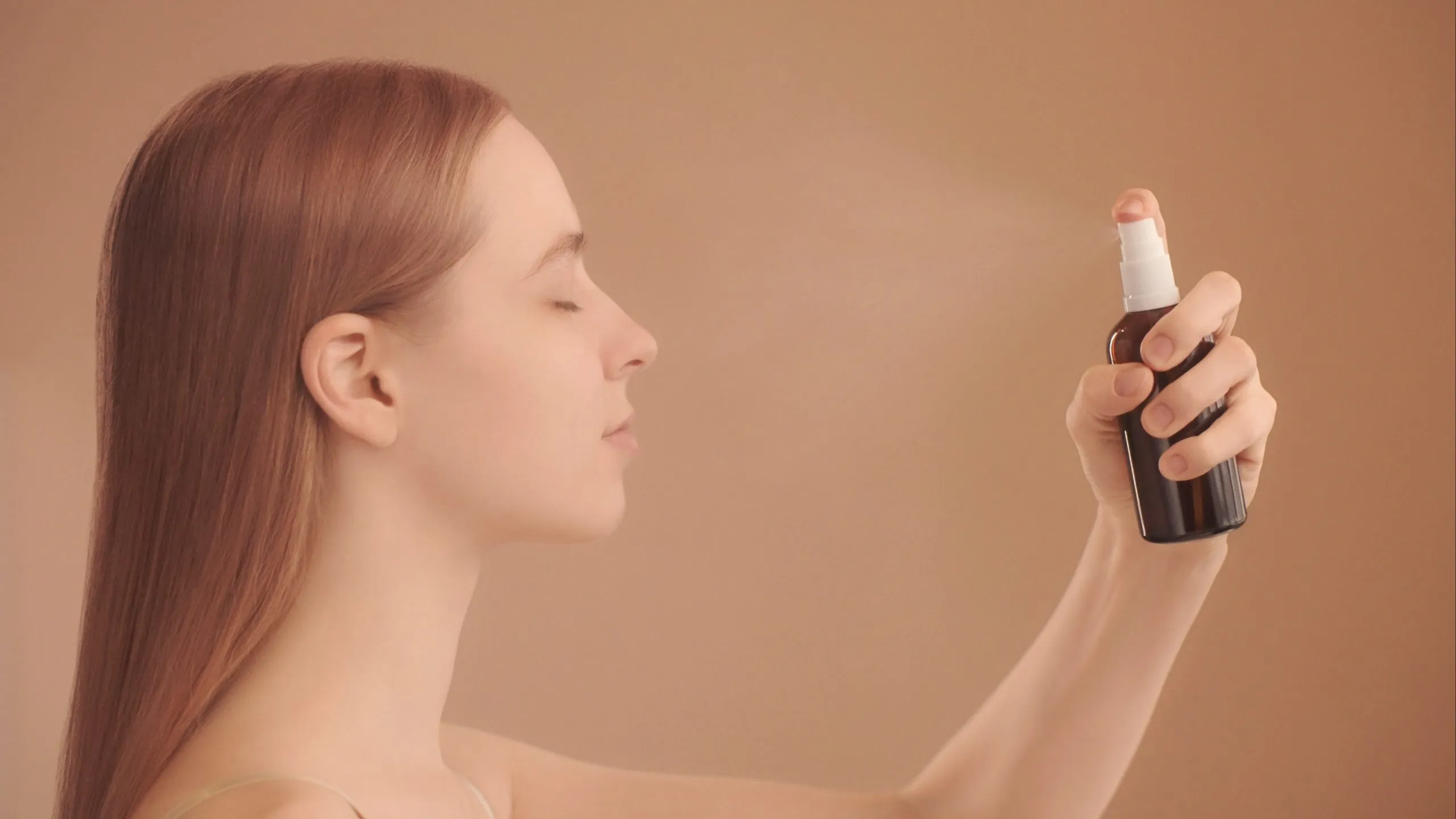
PRP facial and skin rejuvenation: what the evidence supports
A 2025 meta-analysis of nine randomised trials involving 358 patients reported improvement in patient satisfaction and pooled objective outcomes for skin ageing. Earlier systematic reviews found that PRP may provide temporary, generally modest improvement in facial appearance, texture and lines, with the most convincing signal for texture.
The limitations matter: PRP preparation, injection technique, paired procedures, outcome measures and follow-up vary. Longevity is not firmly established, and early swelling should never be mistaken for the final result.
Think skin quality, not facial reconstruction. PRP may be considered for a fresher surface, fine texture or as a supportive adjunct. It will not restore major volume, remove significant laxity or erase every scar.
Read the 2025 skin-ageing meta-analysis · Read the systematic review of skin ageing
PRP with microneedling, Morpheus8, LaseMD or acne-scar treatment
PRP may be considered in selected combinations, but it cannot make up for the wrong device, an unsuitable setting or an inaccurate scar assessment.
The treatment often called a “vampire facial”
A meta-analysis of 14 controlled studies involving 472 patients found better acne-scar improvement and satisfaction when PRP was added to microneedling. Other analyses show that not every comparison favours PRP, so scar type and study quality still matter.
Read the acne-scar meta-analysisRF microneedling with a separate adjunct
Morpheus8 delivers radiofrequency through microneedles for selected texture, scars and mild laxity. PRP may be considered after the procedure, but RF depth and energy should be chosen for the tissue—not increased because an adjunct is available.
Explore Morpheus8 at MA360Fractional laser and recovery support
Studies of fractional lasers suggest PRP may support healing or skin outcomes in selected protocols. Those findings do not prove equal benefit after every wavelength or LaseMD setting. Pigment diagnosis and laser suitability remain the first decision.
Explore LaseMD at MA360Match PRP to the scar procedure
Rolling, boxcar and ice-pick scars behave differently. Microneedling, subcision, RF microneedling, fractional laser or focal scar treatment may do the structural work, with PRP considered as an adjunct rather than the entire plan.
Explore acne-scar treatment planningAfter a resurfacing procedure, follow MA360's Morpheus8, LaseMD and microneedling aftercare guide.
PRP vs exosomes for hair and skin
PRP and exosomes are often compared as though one must win. Current evidence supports a more useful question: which source, route and evidence fit the person and goal?
| Question | PRP | Exosome / EV product |
|---|---|---|
| Source | Your own blood, processed at the appointment. | A manufactured preparation whose biological source and contents should be clearly declared. |
| Blood draw | Required. | Usually not required. |
| Hair-loss evidence | Broader randomised-trial and meta-analysis evidence for androgenetic alopecia. | Promising early studies, but fewer trials and greater product heterogeneity. |
| Skin evidence | Possible modest texture and rejuvenation benefits; often used with procedures. | Promising short-term skin-quality outcomes, with low or very low certainty in a recent review. |
| Main uncertainty | Preparation and delivery protocols vary. | Source, identity, formulation, manufacturing, route and long-term evidence vary. |
In a 2025 split-face trial, participants received three RF microneedling sessions with topical exosomes on one side and PRP on the other. Both sides improved without a significant difference. That study supports informed choice; it does not prove either option is best for every patient. Read the trial or explore MA360's exosome evidence guide.
PRP side effects, possible complications, recovery and suitability
Most people mainly plan around short-lived local effects, but PRP is still a medical procedure. Your experience depends on the blood draw, preparation, delivery method, treatment area and anything performed at the same appointment.
Usually local and temporary
Soreness, redness, swelling, bruising, tenderness, scalp tightness, pinpoint bleeding or headache can occur. These effects often settle, but their intensity and duration vary with the area and technique.
Downtime depends on the whole appointment
PRP alone may involve only a short interruption to normal activities. Microneedling, Morpheus8 or laser can add warmth, flaking, roughness, swelling or longer redness, so aftercare follows the main procedure.
Uncommon does not mean impossible
Infection, prolonged inflammation, pigment change, scarring, cold-sore reactivation, nerve or blood-vessel injury, or a result that is less noticeable than hoped are possible. Blood collection can also cause dizziness or fainting.
Some conditions need review or delay
Blood or platelet disorders, anaemia, immune conditions, active infection, pregnancy or breastfeeding, healing problems and medicines or supplements that affect bleeding may change or postpone treatment.
Contact the clinic promptly for increasing pain, spreading redness, heat, discharge, fever, marked swelling, persistent numbness, weakness or any symptom that is worsening rather than settling. Follow the personalised instructions provided for your exact procedure.
What happens during a PRP treatment pathway?
Assessment and diagnosis
We clarify the hair or skin concern, relevant medical history, expectations and whether another treatment should come first.
Blood collection and preparation
A blood sample is collected and processed using the selected system to prepare the platelet-rich fraction.
Personalised delivery
PRP is applied according to the scalp or skin plan, alone or with a clearly identified procedure.
Recovery and review
Progress is judged after the appropriate biological timeframe. Further sessions are considered only after reviewing your response.
Continue your research with MA360
Start with the diagnosis
Hair-loss treatment hub →Exosomes for skin and hair →Meet the MA360 doctors →Choose the structural treatment
Morpheus8 RF microneedling →LaseMD fractional laser →Acne-scar treatment planning →Compare related goals
Skin hydration and boosters →Pores and skin texture →Browse skin concerns →Choose MA360 Chatswood or Hurstville
Whether your concern is thinning hair, facial texture or acne scarring, the first appointment is used to identify the right pathway before a treatment course is recommended.
PRP consultation Chatswood
Suite 203, Level 2
38B Albert Avenue
Chatswood NSW 2067
PRP hair and facial FAQs
Clear answers about PRP hair treatment, facial rejuvenation, vampire facials, acne scars, results, sessions, downtime, risks and Sydney cost.
What is PRP treatment?
Does PRP work for hair loss?
Can PRP be used for both male and female pattern hair loss?
How many PRP hair sessions will I need?
When will I see PRP hair results?
Can PRP regrow hair on a completely bald scalp?
What is a PRP facial or vampire facial?
Can PRP improve acne scars?
Can PRP be combined with Morpheus8 or LaseMD?
Is PRP better than exosomes?
Is PRP treatment painful, and what is the downtime?
What are the risks of PRP?
How much does PRP cost in Sydney?
Ready to find out whether PRP could suit your plan?
Book a consultation in Chatswood or Hurstville. We will assess the cause, explain the evidence, compare PRP with relevant hair, laser, microneedling, skin-quality or exosome options, and provide a personalised plan and quotation before you decide.
General educational information only. It does not replace medical diagnosis or individual advice. Suitability, preparation, treatment course, risks, recovery and results vary. Back to top ↑