1. Understanding Double Chin and How FaceTite Works
Submental fullness is common, and FaceTite is designed to reduce localised fat while tightening the overlying tissue.
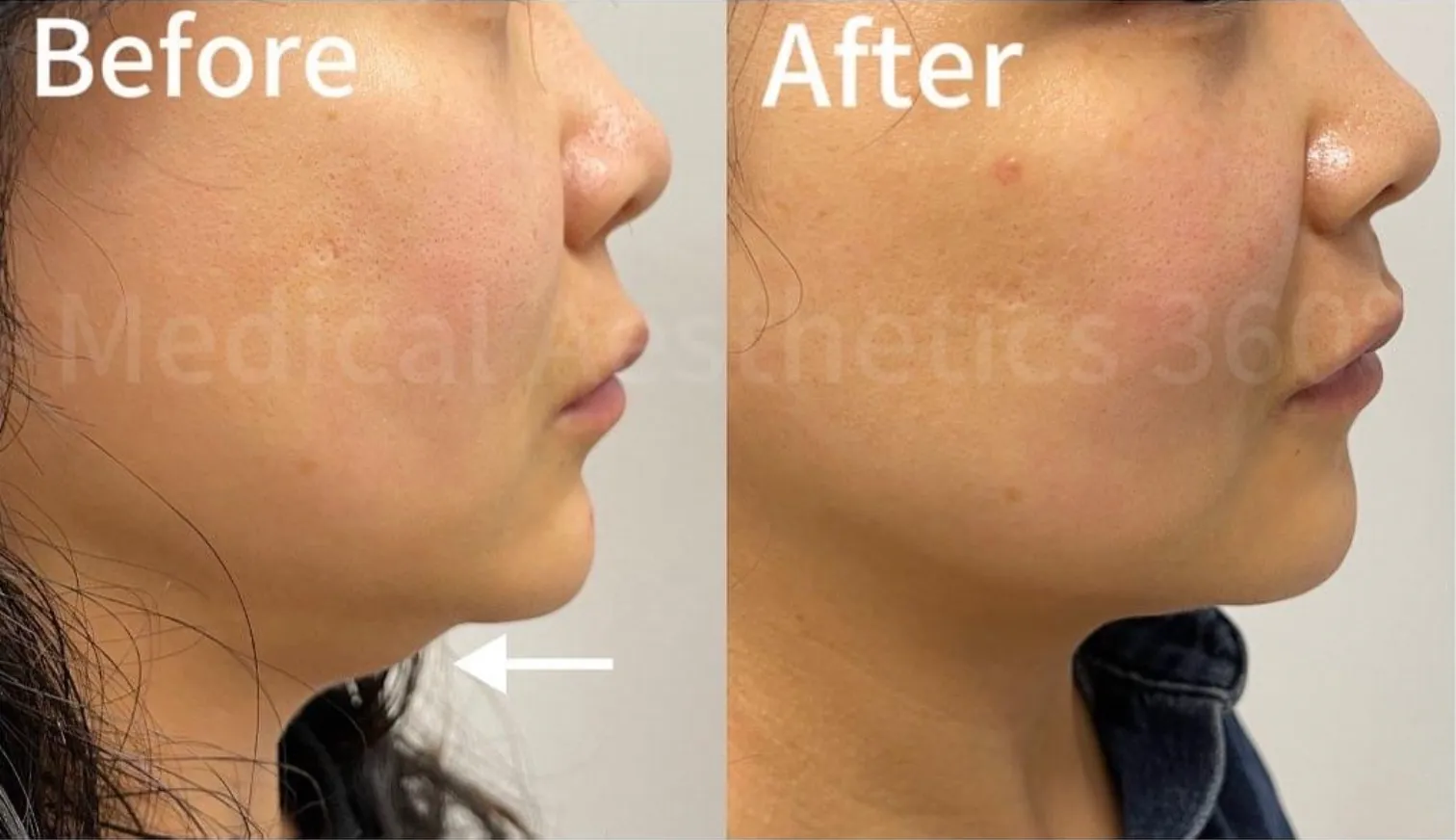
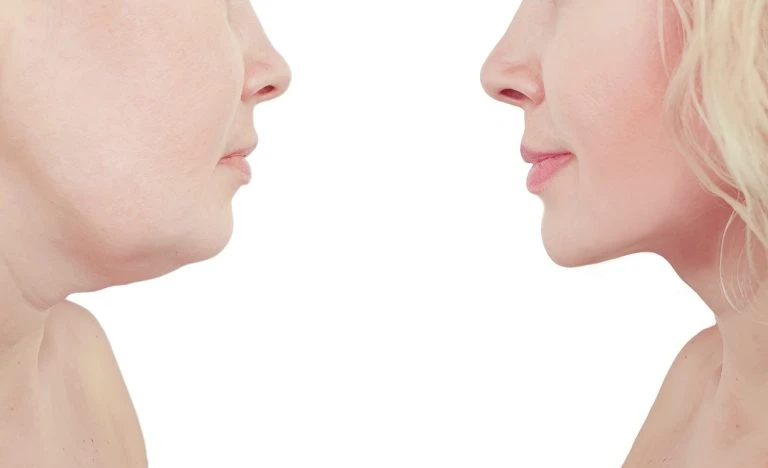
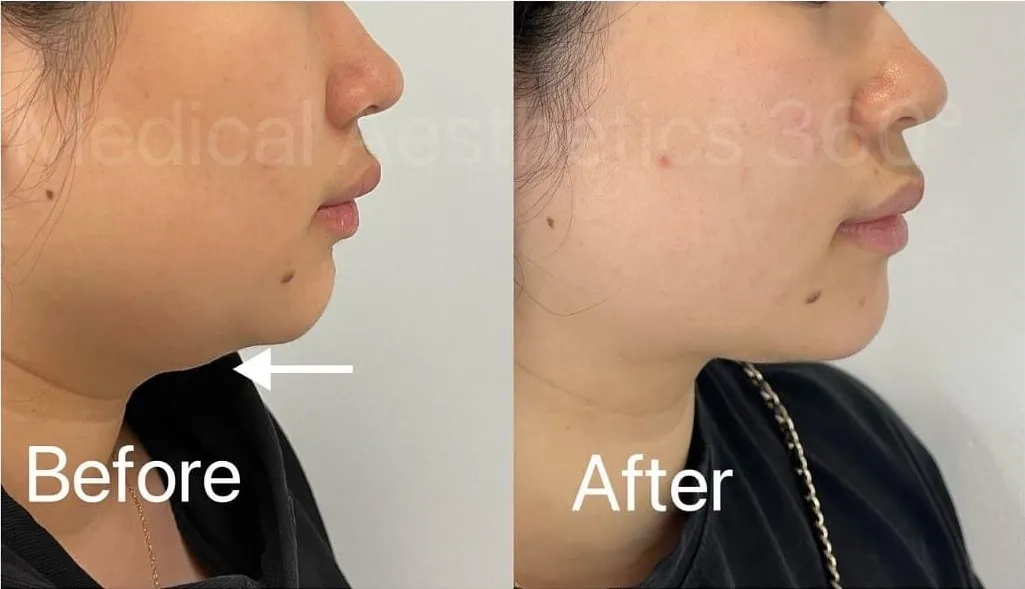
Submental fullness — commonly known as a double chin — is one of the most common aesthetic concerns affecting both men and women. Even individuals who maintain a healthy lifestyle can experience persistent submental fat due to genetics, anatomy or age-related tissue changes. When diet and exercise fail to improve the area, targeted submental fat reduction treatments may be considered.
FaceTite is a minimally invasive procedure designed to reduce localised fat while tightening the overlying skin. For suitable candidates, it offers a more comprehensive solution compared to traditional fat dissolving injections, particularly when both fat accumulation and mild to moderate skin laxity are present.
FaceTite uses radiofrequency-assisted technology delivered beneath the skin through a small probe. Controlled thermal energy is applied to reduce localised submental fat, promote tissue contraction, stimulate collagen remodelling and improve jawline definition.
Because the treatment works beneath the surface, it addresses two key components of a double chin: excess fat and reduced tissue support.
2. Why FaceTite Is Often Considered More Effective Than Fat Dissolving Injections
For suitable candidates, the appeal is the combination of fat reduction and tightening in one treatment pathway.
- Combined fat reduction and skin tightening in a single procedure.
- More significant and predictable contour improvement.
- Typically performed as a single treatment session.
- Enhanced jawline definition through structural tissue support.
For patients with moderate submental fat and early skin laxity, FaceTite is often more effective than fat dissolving injections in achieving meaningful double chin reduction.
3. Risks and Considerations
Careful patient selection and experienced technique remain important because FaceTite is still a medical procedure with recovery and limitations.
- Swelling and bruising
- Temporary numbness or altered sensation
- Discomfort during recovery
- Contour irregularity or asymmetry
- Infection (rare)
- Thermal injury if improperly performed
Careful patient selection and experienced technique are essential to minimise complications. FaceTite is not a replacement for surgical neck lift procedures in patients with advanced ageing changes.
4. Why Experience and Assessment Matter
A structured consultation helps match the treatment plan to fat distribution, skin quality and overall facial harmony.
Dr Chun-Yen Huang has over 10 years of cosmetic experience in aesthetic medicine and submental fat reduction treatments. His approach focuses on detailed anatomical assessment, careful energy control and realistic goal setting. By evaluating fat distribution, skin quality and facial proportions, Dr Huang tailors each treatment plan to achieve balanced and natural-looking results.
Rather than pursuing aggressive correction, the goal is structured refinement — reducing submental fat to improve jawline definition while maintaining facial harmony.
5. Next Steps at MA360
A personalised consultation is the best way to find out whether FaceTite or another submental fat reduction option is more suitable for you.
If you are concerned about a double chin or persistent submental fullness, a personalised consultation is the first step. A thorough assessment will determine whether FaceTite or another submental fat reduction option is most appropriate for you.
Book a consultation with Dr Huang to discuss your concerns and develop a tailored treatment plan focused on safe, effective and realistic fat reduction outcomes.
Disclaimer – Medical
This article is intended for general educational purposes only and does not replace an in-person consultation. All medical and cosmetic procedures carry risks, and treatment suitability varies from person to person.