

Mole Removal Hurstville
Doctor-led assessment and personalised treatment planning for selected moles, raised moles, skin tags, warts and benign-looking skin lesions.
Every lesion is assessed before cosmetic removal. Its appearance, location, depth and healing risk help determine whether treatment is appropriate or whether further medical review is needed.
Assessment first
Why every mole or skin lesion needs review
Cosmetic removal should begin with an in-person assessment. The doctor considers the lesion’s history and appearance, whether it looks suitable for cosmetic treatment and which method may best match its depth and location.
Assessment also helps set realistic expectations about wound care, pigment change, recurrence and the possibility of a visible mark after treatment.
Seek medical review for a changing lesion
A mole or lesion that has grown, changed colour or shape, become irregular, bled, crusted, become painful or otherwise concerns you should be medically assessed before cosmetic removal is considered.
Cosmetic laser treatment is not a substitute for diagnosis or skin-cancer assessment.
Treatment scope
What can be assessed at our Hurstville clinic?
Raised moles
Selected benign-looking raised facial or body moles may be suitable for cosmetic removal after their depth, border and location are reviewed.
Skin tags
Skin tags around the neck, underarms, eyelid area or friction-prone folds can be assessed according to size, number and location.
Warts and small lesions
Selected warts or superficial growths may be suitable for treatment after assessment; others may require a different pathway.
Treatment technology is selected individually
Depending on assessment findings, options may include Erbium:YAG, CO₂ laser or another appropriate method. Not every mole, skin tag or wart is treated in the same way, and some lesions should not be treated cosmetically.
Clinical pathway
A structured mole removal process
Consultation
The doctor examines the lesion, reviews relevant history and decides whether cosmetic removal is appropriate.
Treatment planning
Method, downtime and expected healing are considered in relation to lesion type, size, depth, location, skin type and scarring risk.
Treatment and aftercare
If suitable, treatment is performed with wound-care, sun-protection and review instructions tailored to the area.
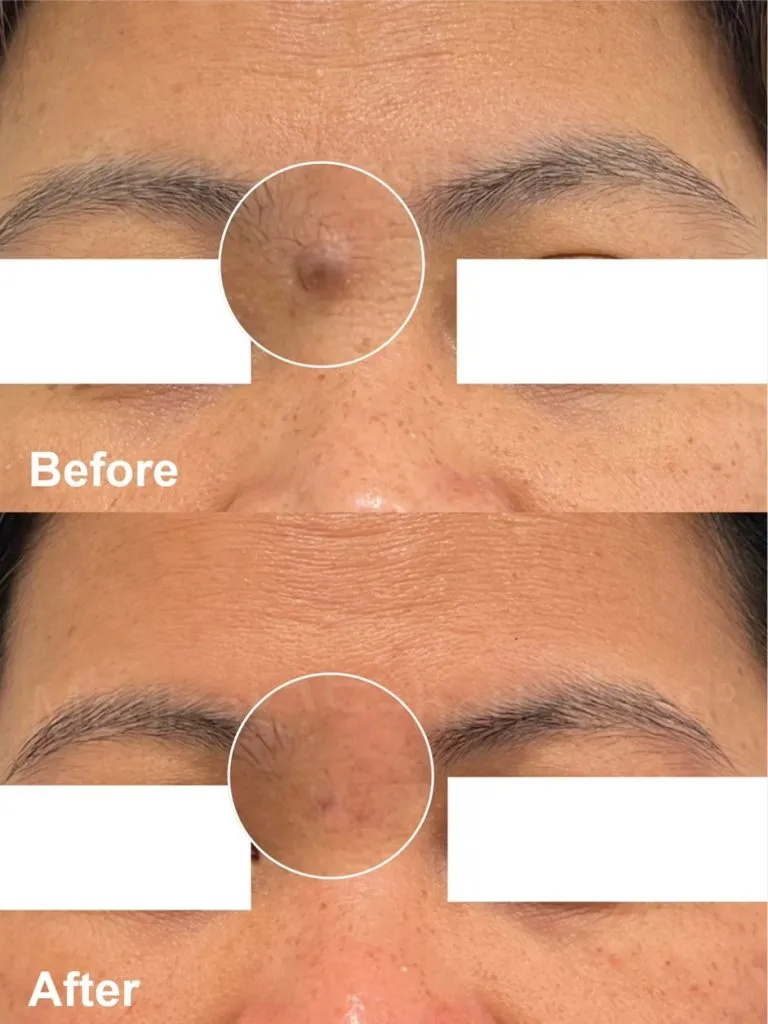
Before and after examples
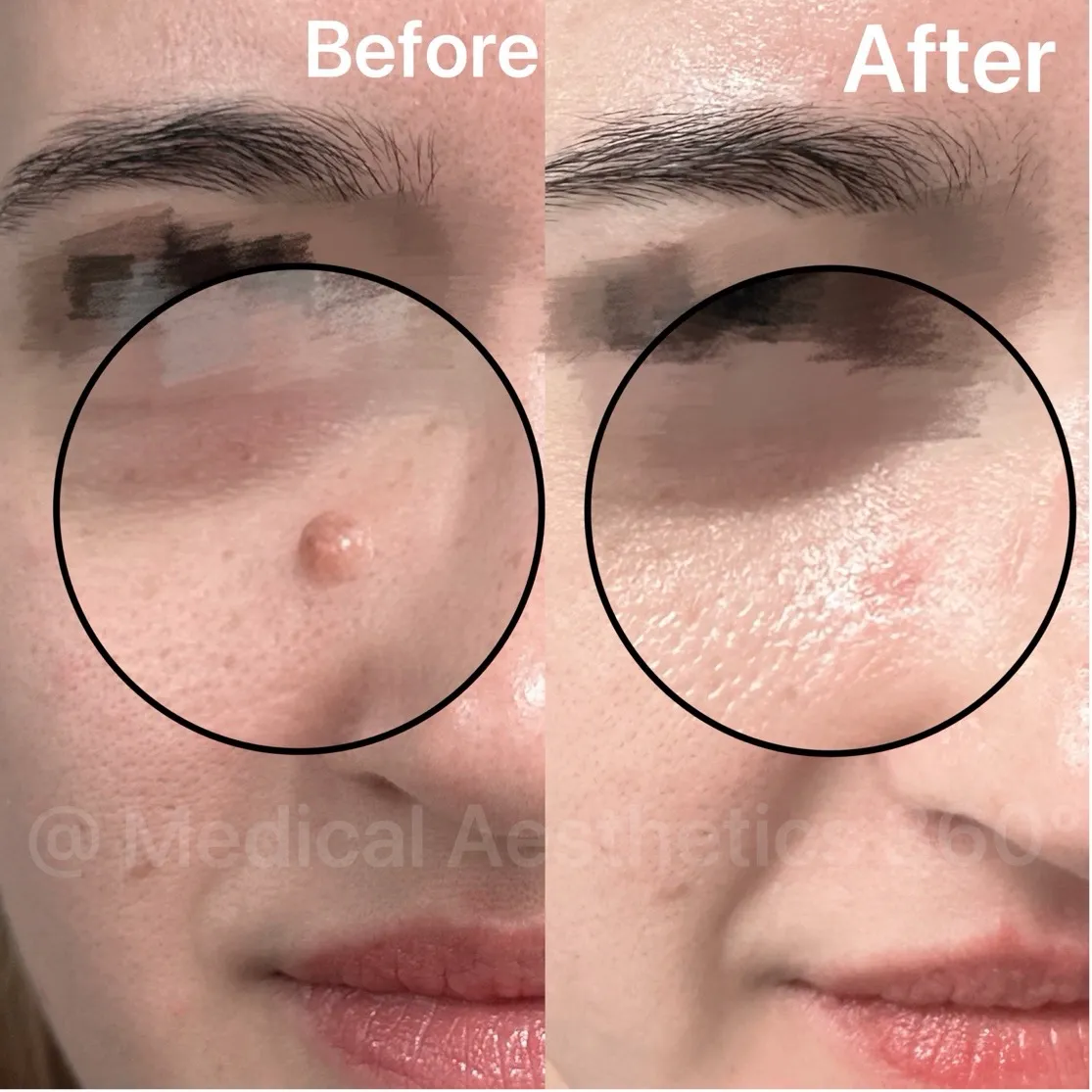
Mole and skin lesion removal results
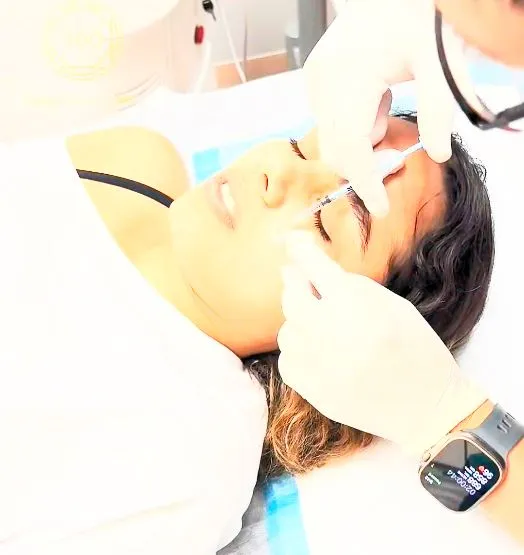
These images show different treatment areas and outcomes. They do not predict another patient’s healing or result.
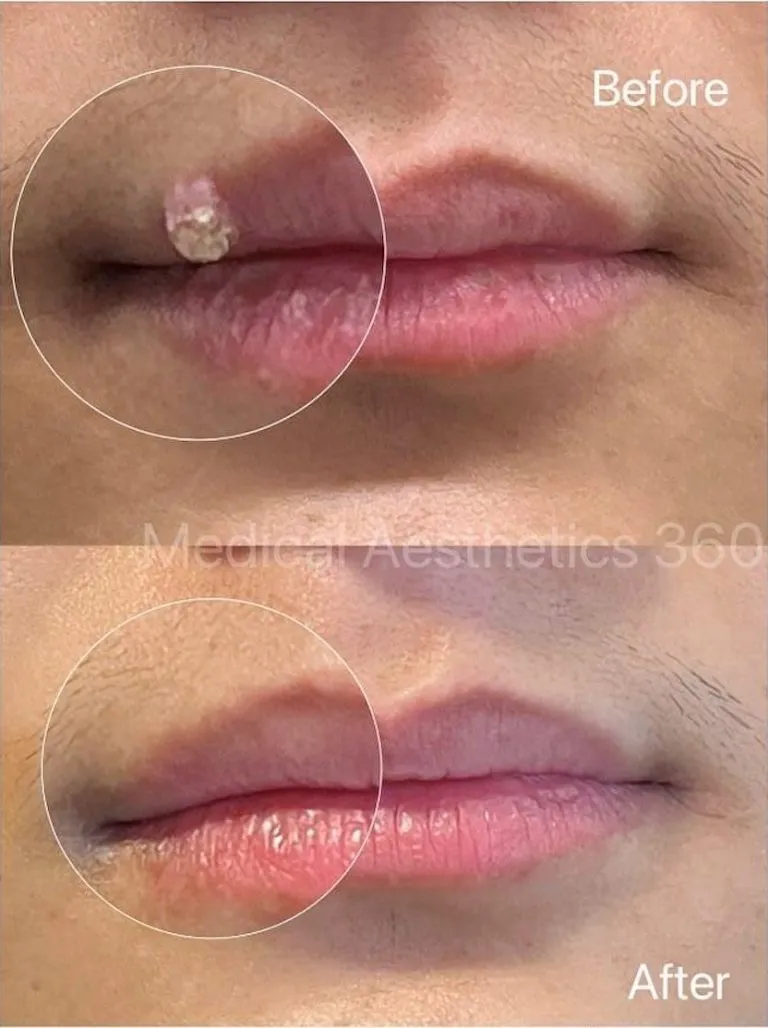
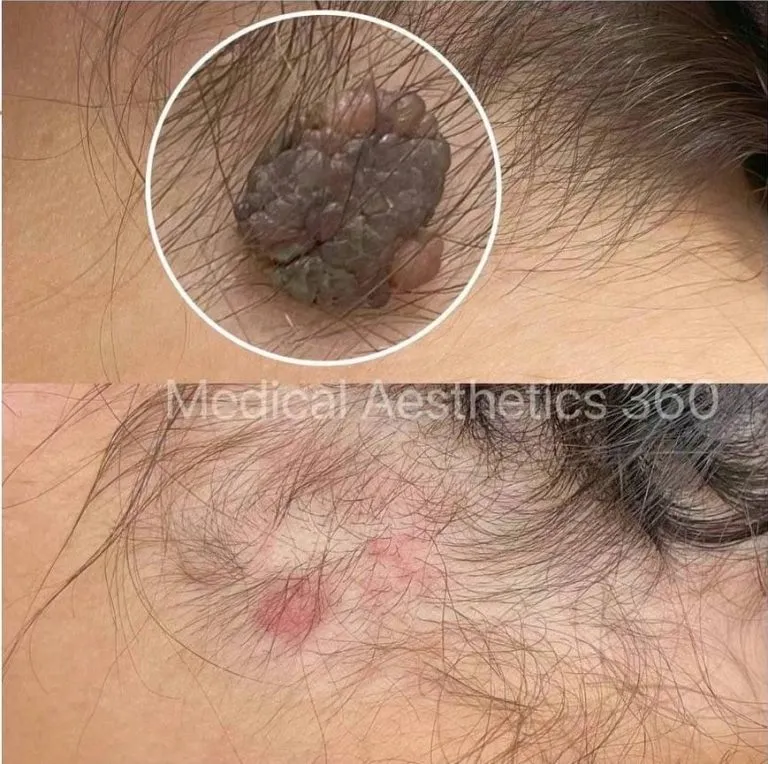
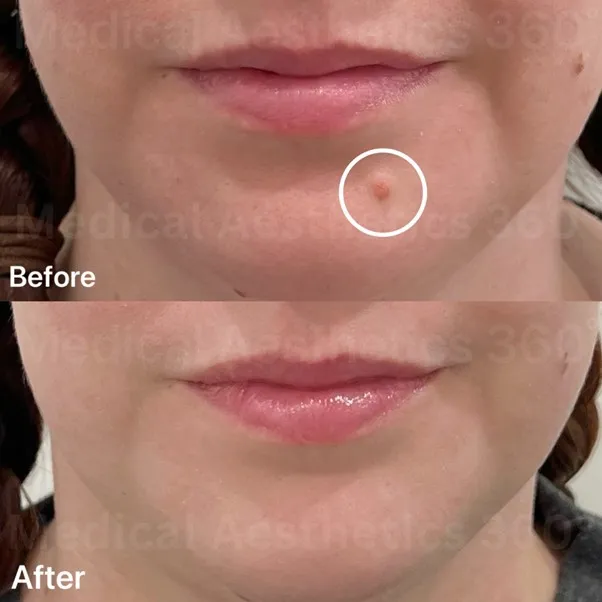
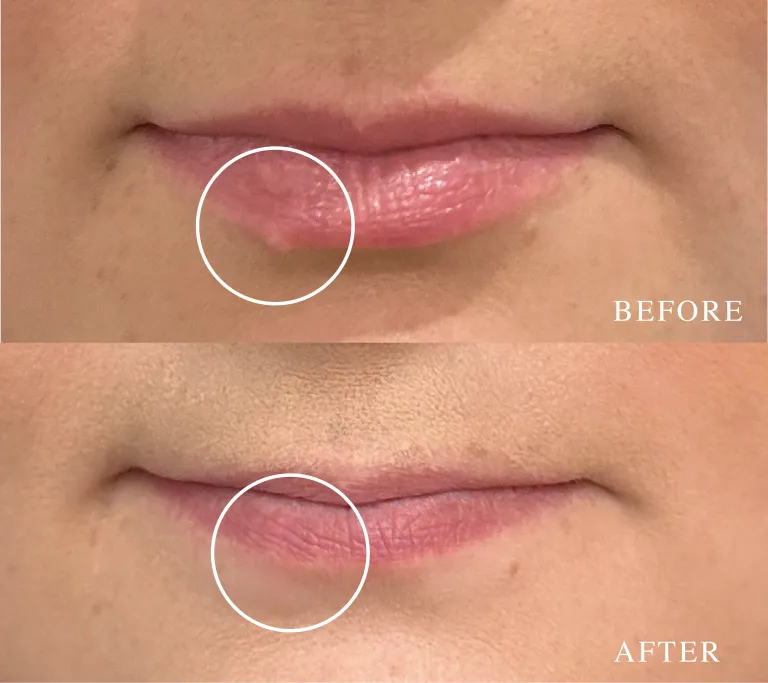
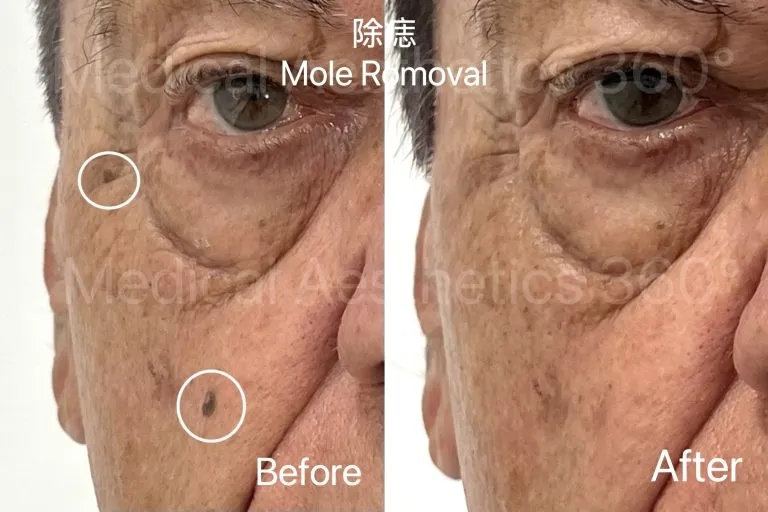
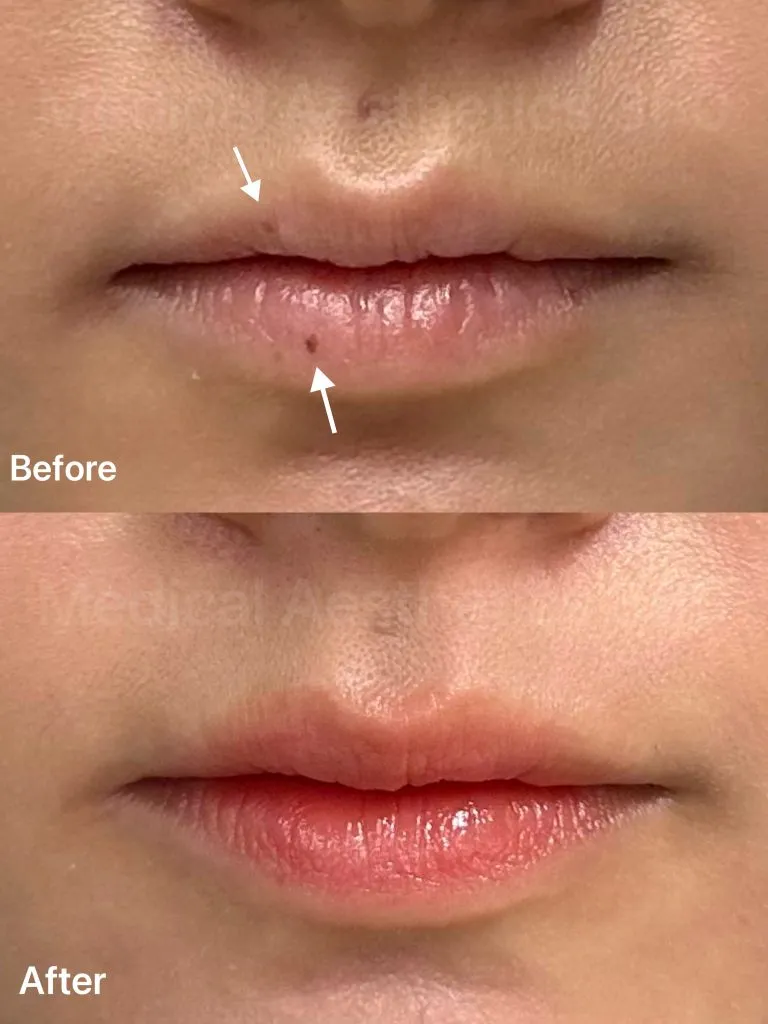
Images are published with consent. Individual lesions, treatment methods, healing and results vary.
Recovery
What healing can look like
- Immediately afterwards: the area may appear pink, sensitive or lightly grazed.
- During the first week: dryness, crusting or flaking may develop.
- As new skin forms: the area may remain pink while it settles.
- Over following weeks: colour and texture can continue to blend gradually.
Supporting recovery
- Keep the area clean as instructed.
- Do not pick, rub or remove crusting.
- Use recommended post-treatment products.
- Avoid irritating active skincare until advised.
- Follow sun-protection guidance to reduce pigment-change risk.
Any skin procedure can leave a visible mark. Final healing varies with the lesion, treatment method, body area, skin type and aftercare.
Fees and planning
How Hurstville mole removal pricing is assessed
Number of lesions
A single facial mole and multiple skin tags require different appointment times and plans.
Size and complexity
Raised, flat, deeper or fine-area lesions may require different methods and healing expectations.
Location and risk
Areas such as the lip line, eyelid, nose, chin, hairline, neck and body can heal differently.
Why a photo cannot provide a final quote
A photo can show location and general appearance, but it cannot confirm diagnosis, depth, texture, suitability or healing risk. An in-person consultation is required for a treatment plan and accurate fee.
Common questions
Hurstville mole removal FAQ
Can every mole be removed cosmetically?
No. Some lesions require further medical assessment, and not every mole is suitable for cosmetic treatment. A doctor must assess the lesion first.
Will mole removal leave a scar?
Any procedure that breaks the skin can leave a mark. Method selection and aftercare aim to support a refined result, but scarring, pigment change and texture change remain possible.
Can raised facial moles be removed?
Some benign-looking raised facial moles may be suitable after assessment. Visible areas require careful planning for depth, healing and cosmetic expectations.
How long does healing take?
Early surface healing often occurs during the first one to two weeks, while colour and texture can take longer to settle. Timing varies.
Can I send a photo for a quote?
Photos may help the clinic understand your concern, but an in-person consultation is required to assess suitability and provide an accurate treatment plan and fee.
Does MA360 remove skin tags and warts?
Selected skin tags, warts and benign-looking lesions can be assessed. Suitability and method depend on the diagnosis, location, size and number.
This page provides general information and does not replace medical advice or diagnosis. If a lesion has changed, looks irregular or concerns you, seek medical assessment before considering cosmetic removal.
Local clinic
Medical Aesthetics 360 Hurstville
41–43 Dora Street
Hurstville NSW 2220
Convenient for patients from Hurstville, Kogarah, Beverly Hills, Penshurst, Allawah, Kingsgrove, Oatley, Blakehurst and the wider St George area.
Related MA360 information
Explore treatment and aftercare information
Is your mole suitable for cosmetic removal?
Start with a doctor-led assessment at Medical Aesthetics 360 Hurstville.