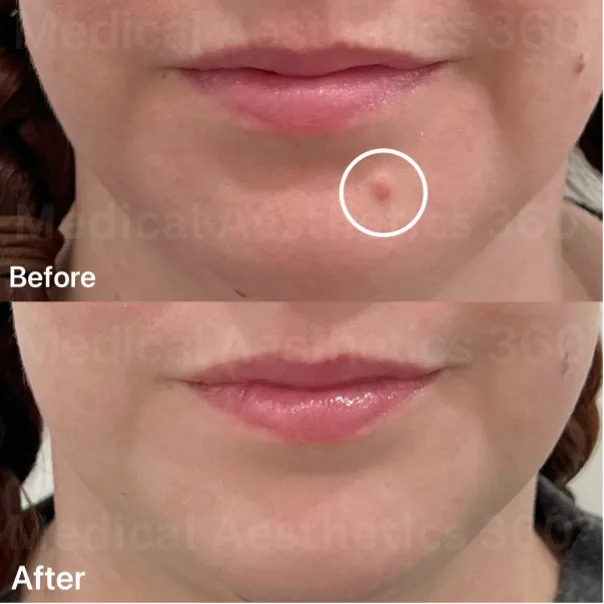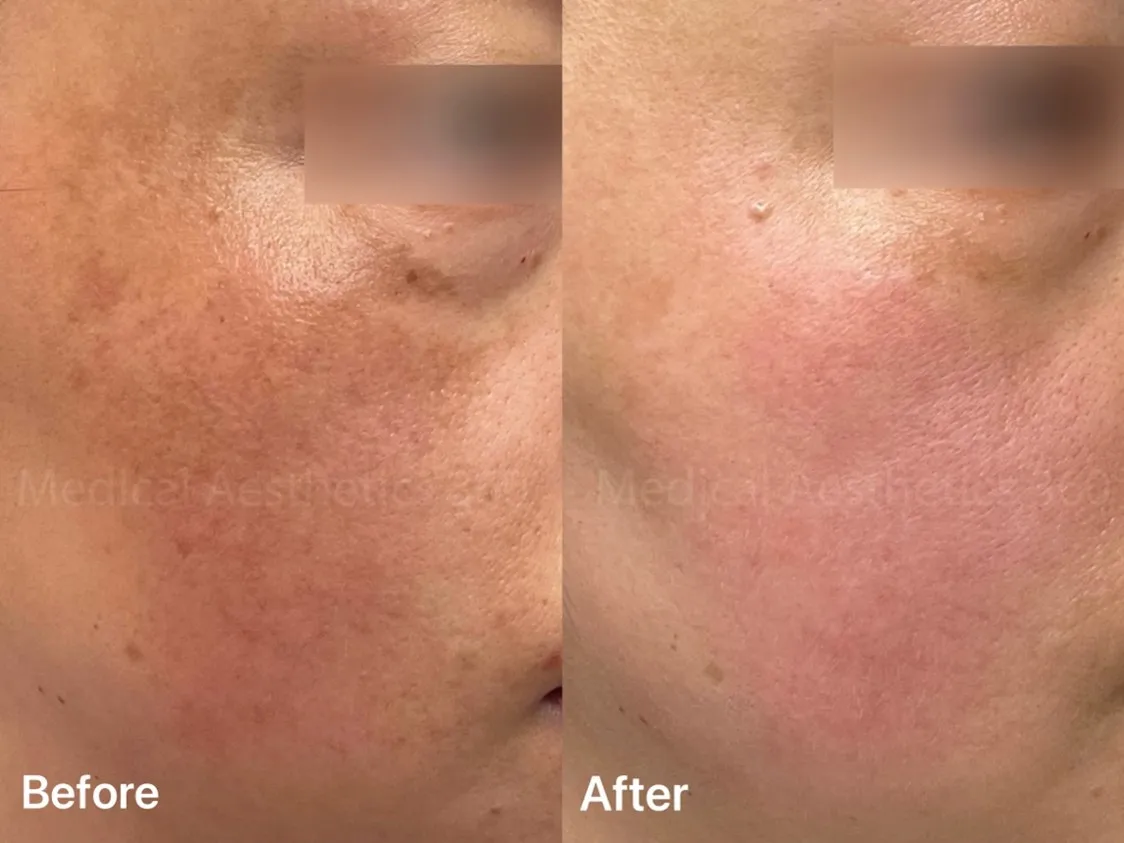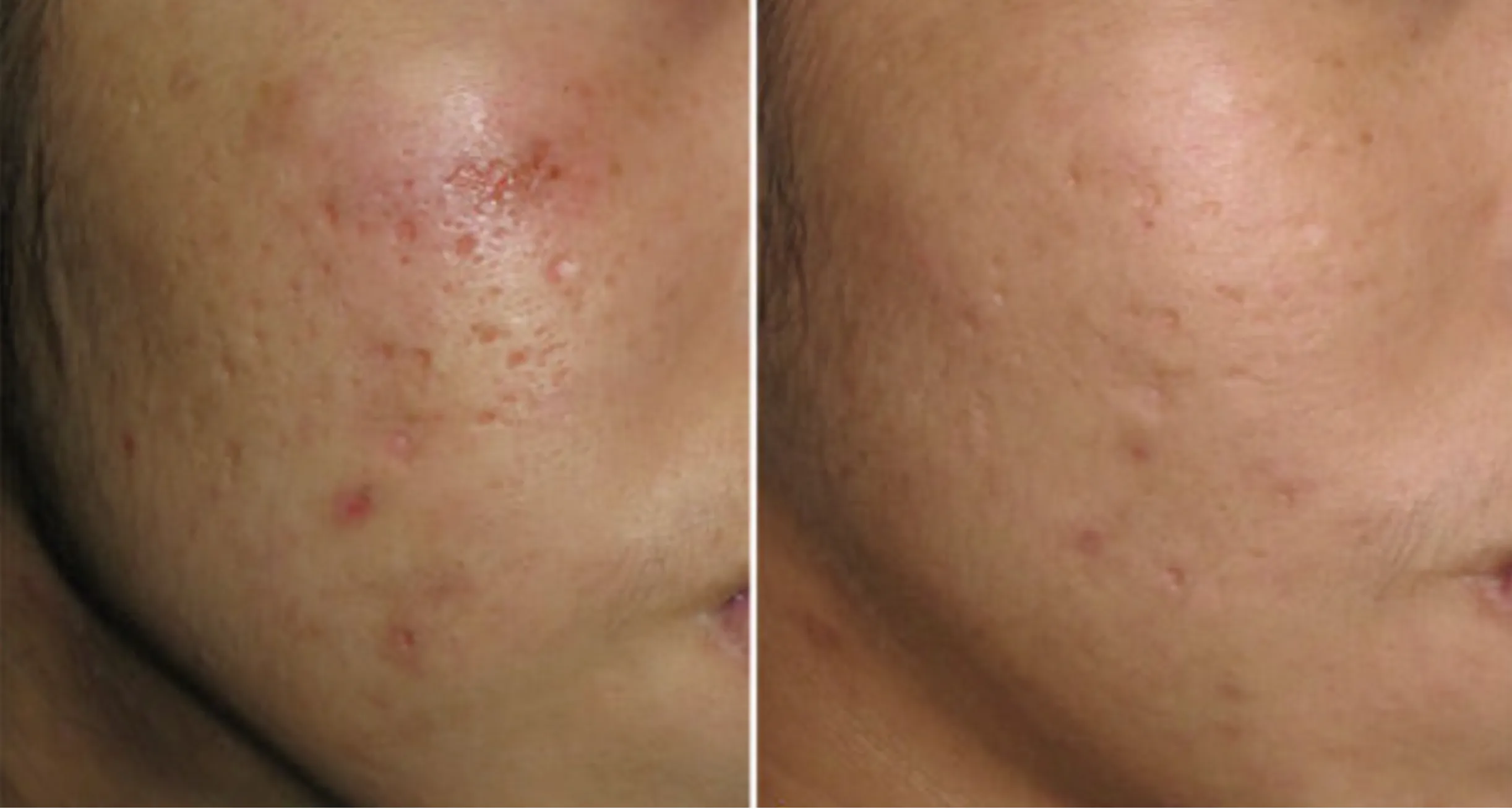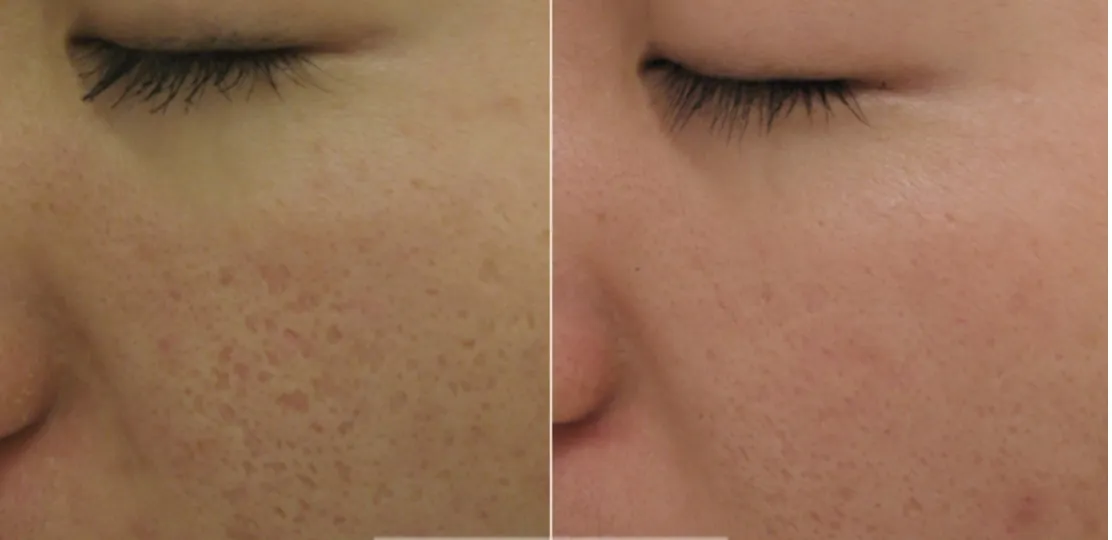

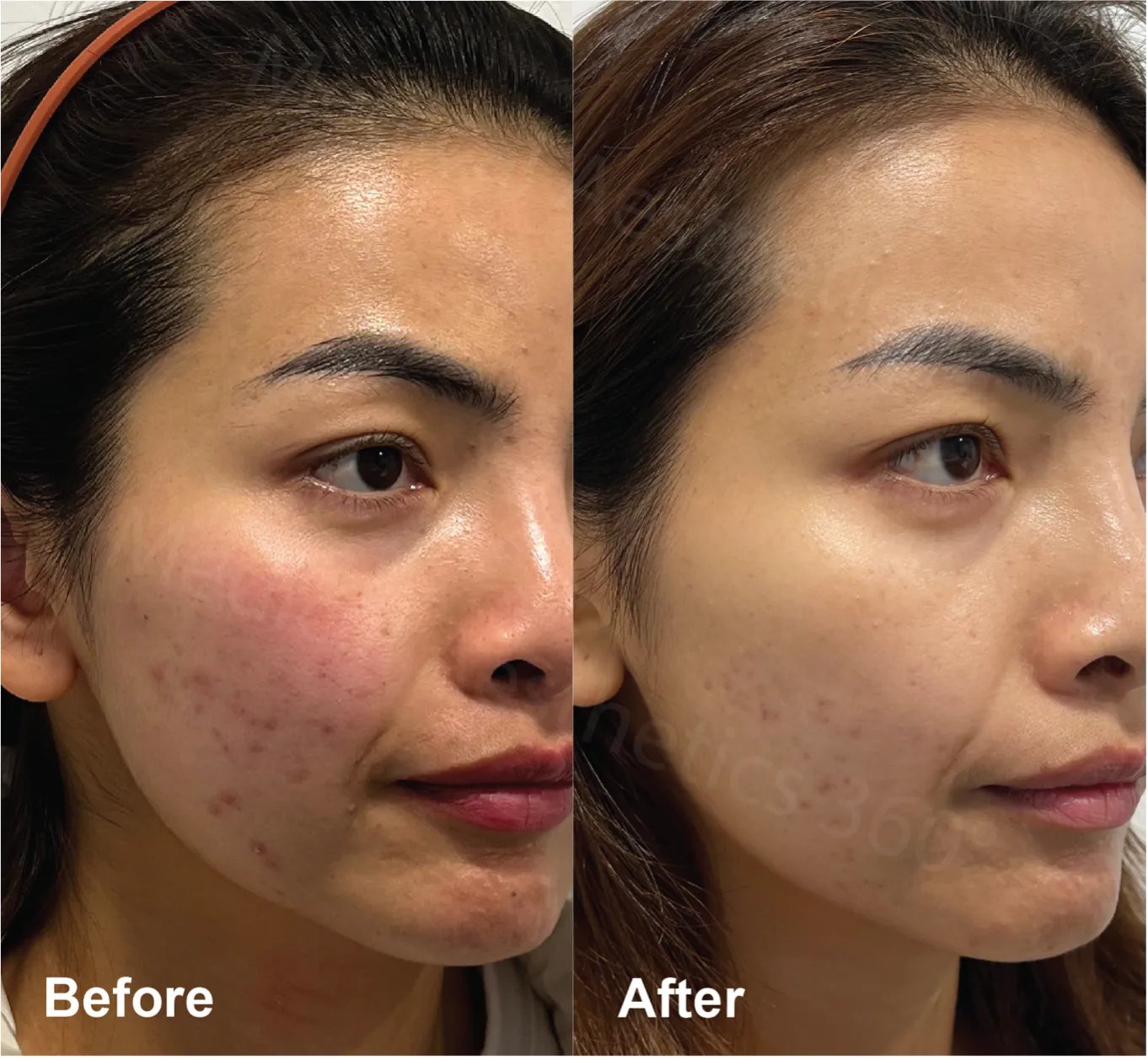
PicoSure vs BBL vs LaseMD vs Agnes RF vs eCO2 vs Fotona 4D: Which Skin Technology Is Right for Your Concern?
1. Why One Laser Cannot Treat Every Skin Concern
Different skin concerns need different technologies
Skin concerns can look similar on the surface, but they may come from very different causes. Brown marks may be sun damage, melasma, freckles, post-inflammatory pigmentation or age-related pigmentation. Redness may be related to visible vessels, rosacea-prone skin, inflammation or acne marks. Uneven texture may come from enlarged pores, acne scarring, collagen loss or surface damage.
This is why a consultation is important before choosing a treatment. A pigmentation laser may not be the right first choice for redness, and a resurfacing laser may not be suitable for unstable melasma. The best result comes from matching the technology to the correct diagnosis, rather than choosing a device based only on its name.
PicoSure, Sciton BBL, LaseMD, Agnes RF, eCO2 and Fotona 4D all work differently. Some target pigment, some target redness, some improve texture, and others support collagen stimulation or resurfacing. The right option depends on skin type, skin concern, downtime tolerance and long-term goals.
2. PicoSure vs Sciton BBL
Pigmentation, sun damage and redness
PicoSure and Sciton BBL are often discussed together because both may help with skin tone concerns, but they work in different ways.
PicoSure is a picosecond laser that delivers ultra-short pulses of energy to target pigment particles. It may be considered for pigmentation concerns, tattoo removal, certain sun spots and overall skin revitalisation. Because the energy is delivered very quickly, the aim is to target pigment with less heat spread compared with some older laser platforms, although suitability still depends on skin type and pigmentation depth.
Sciton BBL, or BroadBand Light, uses light energy across selected wavelengths to treat concerns such as sun damage, uneven tone, redness and visible vascular changes. It may be useful when the skin has a combination of brown and red changes, especially from photoageing, flushing or sun exposure.
A simple way to understand the difference is: PicoSure is often chosen when the main concern is pigment particles, stubborn pigmentation or tattoo ink. BBL is often considered when the concern includes sun damage, redness, uneven tone or general photoageing.
Downtime is usually mild for many PicoSure and BBL treatments, but this depends on settings and skin response. The skin may look red, warm or slightly darker in treated pigmented areas. Pigment may temporarily darken before gradually fading. Sun protection is essential after both treatments.
3. LaseMD and Fotona 4D
Skin quality, glow and collagen support
Not every patient needs a strong resurfacing treatment. Many people want smoother skin, brighter tone, refined pores and a healthier glow without significant social downtime. This is where LaseMD and Fotona 4D may be considered.
LaseMD is a non-ablative fractional laser. It creates controlled micro-zones of laser energy without removing the skin surface in the same way as ablative lasers. It is commonly used for dullness, mild pigmentation, uneven texture, pores and overall skin quality.
After LaseMD, the skin may feel warm, dry or slightly rough for several days. Some patients describe a fine “sandpaper” texture during recovery. This usually settles gradually as the skin renews.
Fotona 4D uses different laser modes to support collagen stimulation and non-surgical facial rejuvenation. One feature of Fotona 4D is that some modes can be performed from inside the mouth to support the lower face and perioral area, while other modes work externally on the skin.
Fotona 4D may be considered for patients who are more focused on skin firmness, lower face support, collagen stimulation and overall skin rejuvenation rather than pigmentation alone. Compared with ablative resurfacing, LaseMD and Fotona 4D are generally more downtime-friendly, but results are usually more gradual and may require a series of treatments.
4. Agnes RF and eCO2
Acne, oil glands, pores and scarring
Active acne and acne scarring are different concerns. Active acne may involve oil glands, inflammation, bacteria, hormones and blocked pores. Acne scars are structural changes caused by previous inflammation and collagen damage. Because the causes are different, the treatment plan also needs to be different.
Agnes RF is a targeted radiofrequency treatment that uses fine insulated needles to deliver energy into selected structures. It may be considered for certain acne-related concerns, sebaceous gland activity, enlarged pores, selected small fat pockets, syringoma-type concerns and localised tightening indications.
After Agnes RF, downtime may include swelling, redness, tenderness, small needle marks, bruising or temporary lumpiness depending on the treated area. Multiple sessions may be needed for acne-related concerns.
eCO2 is a fractional ablative CO2 laser. It creates controlled microscopic columns of injury in the skin to stimulate wound healing and collagen remodelling. It is commonly considered for acne scarring, deeper textural changes, enlarged pores, surgical or traumatic scars, and more significant resurfacing needs.
Because eCO2 is ablative, downtime is more significant than treatments such as PicoSure, BBL or LaseMD. Patients may experience redness, swelling, crusting, peeling, bronzing and several days of visible recovery. For the right candidate, however, eCO2 can be valuable when texture and scarring are the main concerns.
5. Downtime Guide
Choosing the right treatment for your lifestyle
Downtime is one of the biggest factors when choosing a skin treatment. A powerful treatment is not always the best choice if the patient cannot manage the recovery period. On the other hand, a very gentle treatment may not be strong enough for deeper scarring or advanced textural changes.
Minimal downtime treatments may include BBL, gentle PicoSure settings, gentle Fotona modes and lower-intensity rejuvenation treatments. These may cause temporary redness, warmth or mild pigment darkening, but many patients can return to normal daily activities quickly.
Mild to moderate downtime treatments may include LaseMD, stronger pico rejuvenation settings, selected Fotona resurfacing modes or targeted Agnes RF. The skin may feel dry, rough, swollen or sensitive for several days.
Moderate to higher downtime treatments may include eCO2 fractional resurfacing or more intensive ablative laser treatments. These require more careful aftercare and planning. Patients may need to avoid events, makeup, heat, active skincare and sun exposure during early recovery.
Aftercare usually includes gentle cleansing, barrier repair, strict sun protection, avoiding unnecessary heat, and pausing irritating skincare such as retinoids, acids and exfoliants until the skin has recovered.
At Medical Aesthetics 360, treatment planning is personalised after consultation. For some patients, the best option may be one technology. For others, the best result may come from a staged plan combining pigment control, redness reduction, collagen stimulation and resurfacing at the right time.
Disclaimer – Medical
This article is intended for general educational purposes only and does not replace an in-person consultation. All medical and cosmetic procedures carry risks, and treatment suitability varies from person to person.