
Acne Scarring: Why It Happens and Why It’s Treatable
This guide outlines the treatment categories discussed in acne-scar consultations, including fractional lasers and radiofrequency microneedling. It also explains why expected recovery and aftercare depend on the procedure selected.
For clinic assessment, treatment planning and appointments, see acne scar treatment in Sydney.
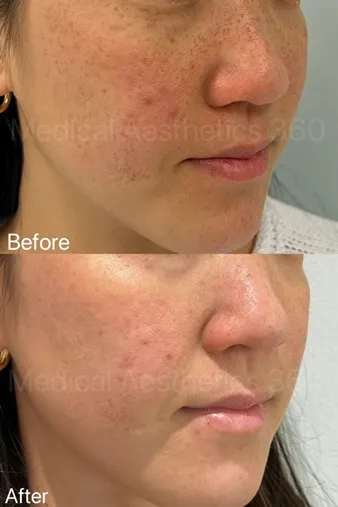
Acne scarring is very common, especially for people who have had moderate to severe breakouts in their teens or early adulthood. When inflammation from acne reaches deeper layers of the skin, it can damage collagen and leave behind permanent changes in texture. The good news is that with modern, doctor-led technologies available in Sydney, acne scars can be significantly improved with the right combination of treatments. At Medical Aesthetics 360° (MA360) in Chatswood and Hurstville, we design personalised acne scar treatment plans that target multiple layers of the skin for smoother, clearer and more even-looking skin.
Types of Acne Scars We Commonly See at MA360
Not all acne scars are the same, and different scars respond to different treatments. Our doctors will first identify the scar types before recommending a plan.
• Ice-pick scars – narrow, deep, V-shaped scars that look like small ‘holes’ in the skin.
• Box-car scars – wider defects with sharp edges, often creating noticeable pits.
• Rolling scars – broad depressions with gentle slopes and an undulating surface.
• Hypertrophic scars – raised, thicker tissue that sits above the surrounding skin.
• Post-inflammatory colour changes – red, brown or dark marks that remain after acne.
Because each type forms differently, effective acne scar treatment in Sydney must be customised rather than using a single one-size-fits-all method.
Doctor-Led Acne Scar Assessment in Sydney
All acne scarring treatments at MA360 begin with a full doctor consultation. Your doctor will:
• Examine the type and depth of your scars.
• Assess skin thickness, sensitivity and overall condition.
• Decide on the best mix of technologies, intensities and treatment intervals.
Our dermal therapists then perform the treatment strictly according to the doctor’s parameters, ensuring consistency, safety and optimal outcomes. This doctor-led model is one of the reasons patients from across Sydney choose MA360 Chatswood and Hurstville for acne scar improvement.
Advanced Acne Scar Treatments Available at MA360
We use multiple evidence-based technologies to treat acne scarring at different depths of the skin. A combination approach is often the most effective.
Fractional Erbium YAG Laser (approx. 60 minutes)
This fractional resurfacing laser gently removes micro-columns of the skin surface and upper dermis. It is ideal for rolling scars, box-car scars and shallow ice-pick scars. By stimulating fresh collagen, it helps smooth rough texture and brighten dull, scarred skin.
Morpheus8 Radiofrequency Microneedling (approx. 40 minutes)
Morpheus8 combines microneedles with radiofrequency energy to remodel deeper tissue. It is particularly helpful for rolling scars, larger depressions and scars made more visible by skin laxity. Over time, the skin becomes firmer, with a more uniform texture.
Fractional CO₂ Laser (approx. 60 minutes)
For more severe or long-standing acne scarring, fractional CO₂ laser can reach deeper dermal layers. It is suitable for deeper box-car scars and significant textural irregularities. Downtime is longer but results can be more dramatic when deeper resurfacing is required.
Professional Microneedling (approx. 40 minutes)
Microneedling is a versatile option for mild to moderate atrophic scars, uneven texture and enlarged pores. It stimulates natural repair and collagen formation, helping the surface gradually become smoother.
Polynucleotide (PN) Skin Rejuvenation (approx. 30 minutes)
Polynucleotides support dermal repair, improve elasticity and enhance skin quality. They are useful for thin, fragile or dehydrated skin that needs better resilience before or after other energy-based acne scar treatments.
Volume Restoration for Atrophic Scars (approx. 30 minutes)
Some deeper rolling or box-car scars benefit from careful volume restoration under the scar base. This helps lift the depression, soften shadows and blend the scar into surrounding skin. It is often combined with lasers or radiofrequency for a comprehensive result.
Steroid Treatment for Raised Scars (approx. 10 minutes)
For thick, raised hypertrophic scars, small doses of steroid-based medication can help soften excess tissue and flatten the scar over a series of treatments.
TCA CROSS for Deep Ice-Pick Scars (approx. 20 minutes)
TCA CROSS focuses on deep, narrow ice-pick scars that many lasers cannot fully reach. High-strength TCA is placed precisely into each scar opening to trigger local collagen production. As the skin repairs, these scars become shallower and less visible.
Effectiveness, Results and What to Expect
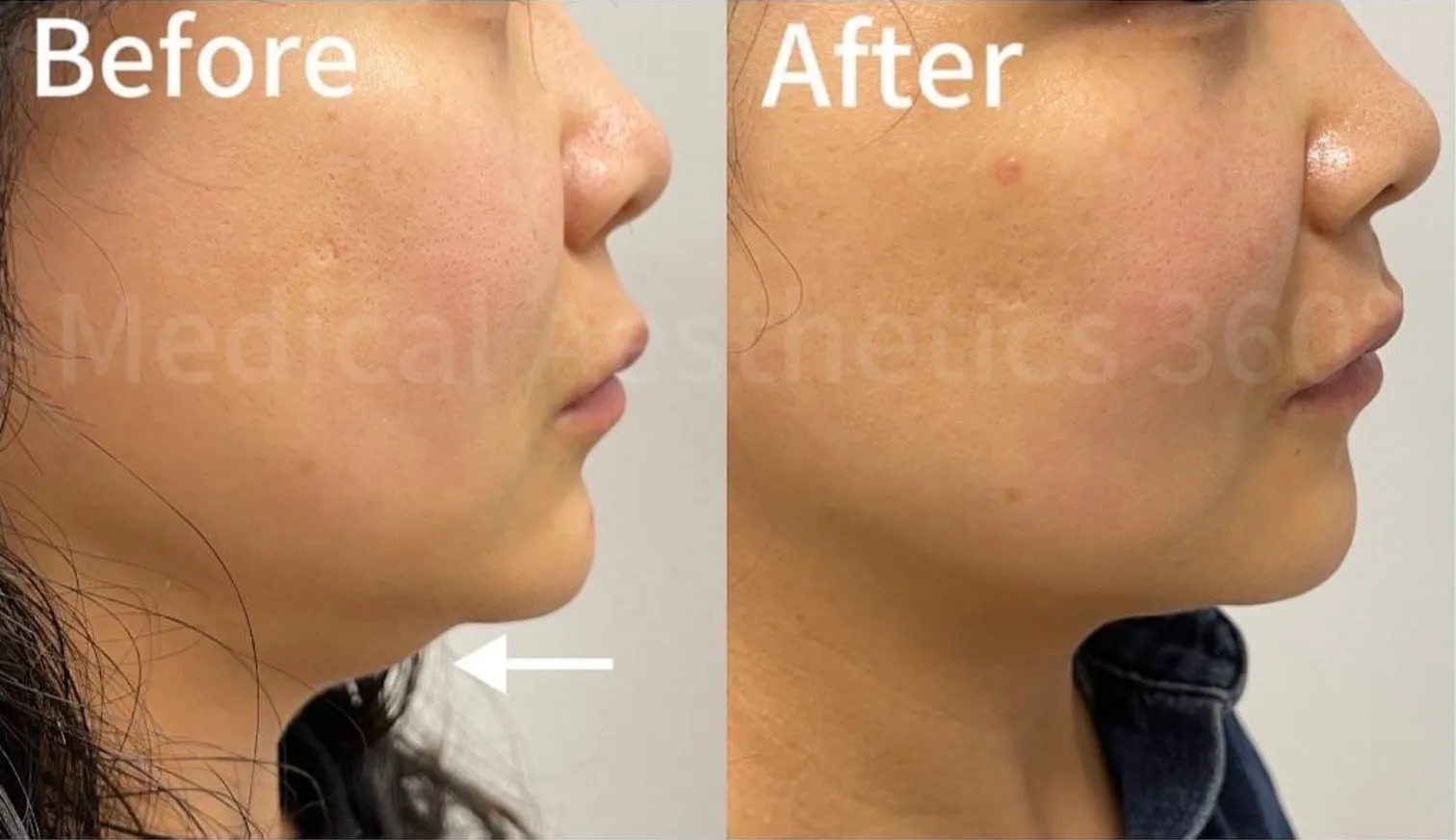
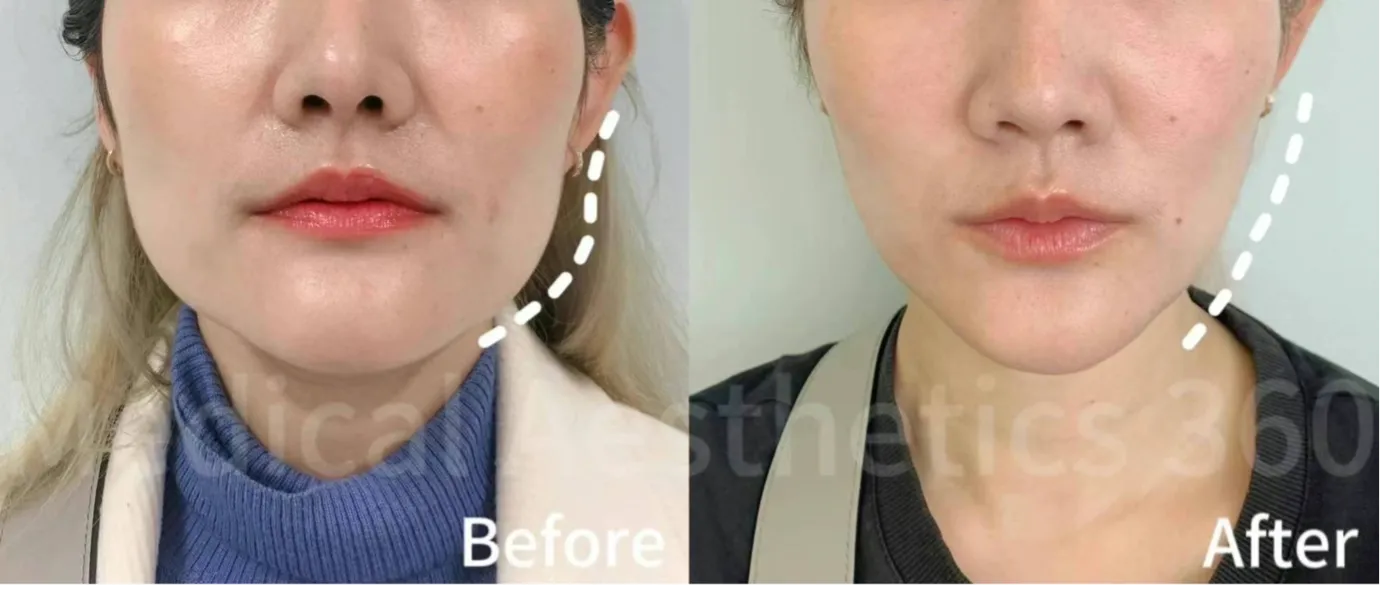
Acne scar improvement develops gradually, and the degree of change varies with scar type, skin response and the procedure selected. Your clinician will discuss realistic expectations, treatment intervals and whether a staged plan is appropriate.
Recovery depends on the procedure, treatment depth, settings and your skin’s response. Fractional laser resurfacing, radiofrequency microneedling, standard microneedling, injections and TCA CROSS can involve different skin reactions and recovery needs. Your treating clinician will explain what to expect and when you can return to usual activities.
For procedure-specific guidance, read our fractional Erbium YAG and CO₂ laser aftercare guide or Morpheus8 and microneedling aftercare guide. Follow the personalised instructions for your treatment.
Disclaimer – Medical
This article is intended for general educational purposes only and does not replace an in-person consultation. All medical and cosmetic procedures carry risks, and treatment suitability varies from person to person.