


Colour & pigmentation
Understand pigment and redness before comparing technologies.
Start with what you notice. Find information about your concern, understand your options and request a consultation at our Chatswood or Hurstville clinic.

You don’t need to know a treatment name. Start with the change you’d like to understand.
Search across all areas, or choose a category to browse. This finder provides information; it does not diagnose a condition.
Try a broader term such as “skin”, “eyes” or “hair”, or clear your search to browse all concerns.
Ask the clinic for guidance ↗Active acne and acne scarring need different advice. A new or changing mole, or a bleeding or non-healing lesion, needs medical assessment. Active acne guidance · Skin changes to discuss with your doctor — healthdirect ↗
Read about your concern, compare approaches and understand aftercare. A consultation determines what is suitable for you.
Understand pigment and redness before comparing technologies.
Explore the difference between surface texture and deeper scarring.
Separate skin laxity from changes in facial contour and volume.
Understand your skin-quality concern and learn about the available options.
Similar-looking shadows or folds can have different causes.
Assessment comes first for a new, changing, bleeding or non-healing lesion.
Individual experiences and results vary.
Your skin, health and priorities help guide the next step. Age alone is not a reason to have a procedure.
Choose a guide to see common concerns and the pages that can help you explore them.
↑ Back to all concernsIf you have ongoing pimples or inflamed breakouts, speak with your GP about acne care. Painful, persistent or scarring acne may need medical treatment. Scar information is a separate starting point for marks or indentations left after acne.
20s to 30sTone, texture & early changesAcne marks, pigmentation, melasma, dullness and early lines can sit side by side. Choose the concern that matters most, supported by consistent skincare and sun protection.
Age alone is not a reason to start a procedure. Any treatment should have a clear purpose and fit your priorities and available downtime.
 40s to 50sPigment, firmness & definition
Changes in skin colour, texture, firmness and under-eye appearance may have different causes. A clear assessment helps separate what is happening at the surface from changes in support and volume.
A pigment-focused treatment does not address every cause of laxity or under-eye shadowing. Discuss each concern and the recovery it may involve.
 Mature skinDryness, laxity & facial changes
Dryness, uneven texture, sun damage, changes in facial volume and skin laxity may become more noticeable over time. The right starting point is the change you would like help with.
Health, medication, tissue quality and healing history can be more useful than age when considering suitability. A focused or staged plan may fit your needs.
 Asian skin & pigment-aware careMelasma, pigment & skin texture
Asian skin is not one skin type. Skin tone, sensitivity, pigment history, scarring and previous treatment response all help guide a considered plan.
Pigmentation and melasma need to be distinguished. Laser choice, settings, aftercare and sun exposure should be discussed for your skin.
 Men’s concernsSkin, hair, face & body
Acne scars, hair thinning, sweating, under-eye changes and body concerns are common starting points. Your plan should reflect your own features and goals.
Skin thickness, beard patterns, facial anatomy and time away from work or training can all influence treatment planning.
 Pregnancy, postpartum & motherhoodHormonal changes & recovery
Pigmentation, dehydration, hair shedding and body changes may appear during pregnancy or after birth. Some change over time; persistent or unusual symptoms may need medical investigation.
Tell your clinician if you are pregnant, breastfeeding or planning a pregnancy. Many elective procedures are postponed because safety evidence is limited. These links are for information, not confirmation of suitability.
You don’t have to arrive with all the answers.
Talk to the clinic ↗Start with the change that matters most to you. Concerns such as colour, texture, firmness and volume may need different approaches. A consultation can help set priorities and decide whether any treatment should be focused or staged.
Age is one part of the picture. Diagnosis, skin tone, anatomy, medical history, previous treatment response and your priorities are more useful for choosing an appropriate option.
No. You can bring a concern, a question or a treatment you have been considering. Assessment helps determine whether the requested option matches the cause of the concern.
No single laser or setting suits everyone. Skin tone, tanning, melasma, pigment history, medications and the area being treated all matter. Your clinician can explain the options and whether a different approach or test area is appropriate.
Tell the clinic before booking treatment. Many elective cosmetic procedures are delayed during pregnancy, and some may remain unsuitable while breastfeeding because safety information is limited. Advice depends on the procedure and your medical context.
No. Different methods may be discussed when separate concerns or tissue layers need different approaches. Your clinician should explain the purpose, risks and timing of each part of a plan.
Both vary with the procedure and the individual. Read the relevant aftercare guide, then ask about visible downtime, longer healing, maintenance and possible complications. Results cannot be guaranteed.
Seek medical advice for a new or changing mole, a lesion that bleeds or does not heal, a rapidly changing rash, severe acne, or sudden or patchy hair loss. Cosmetic assessment does not replace skin cancer screening or general medical care.
Use our enquiry form to select your preferred clinic and share what you would like help with. The team will contact you about the next step; submitting the form does not confirm an appointment.
Check the current consultation fee and send an enquiry. Ask about treatment costs, suitability and expected recovery before you decide.
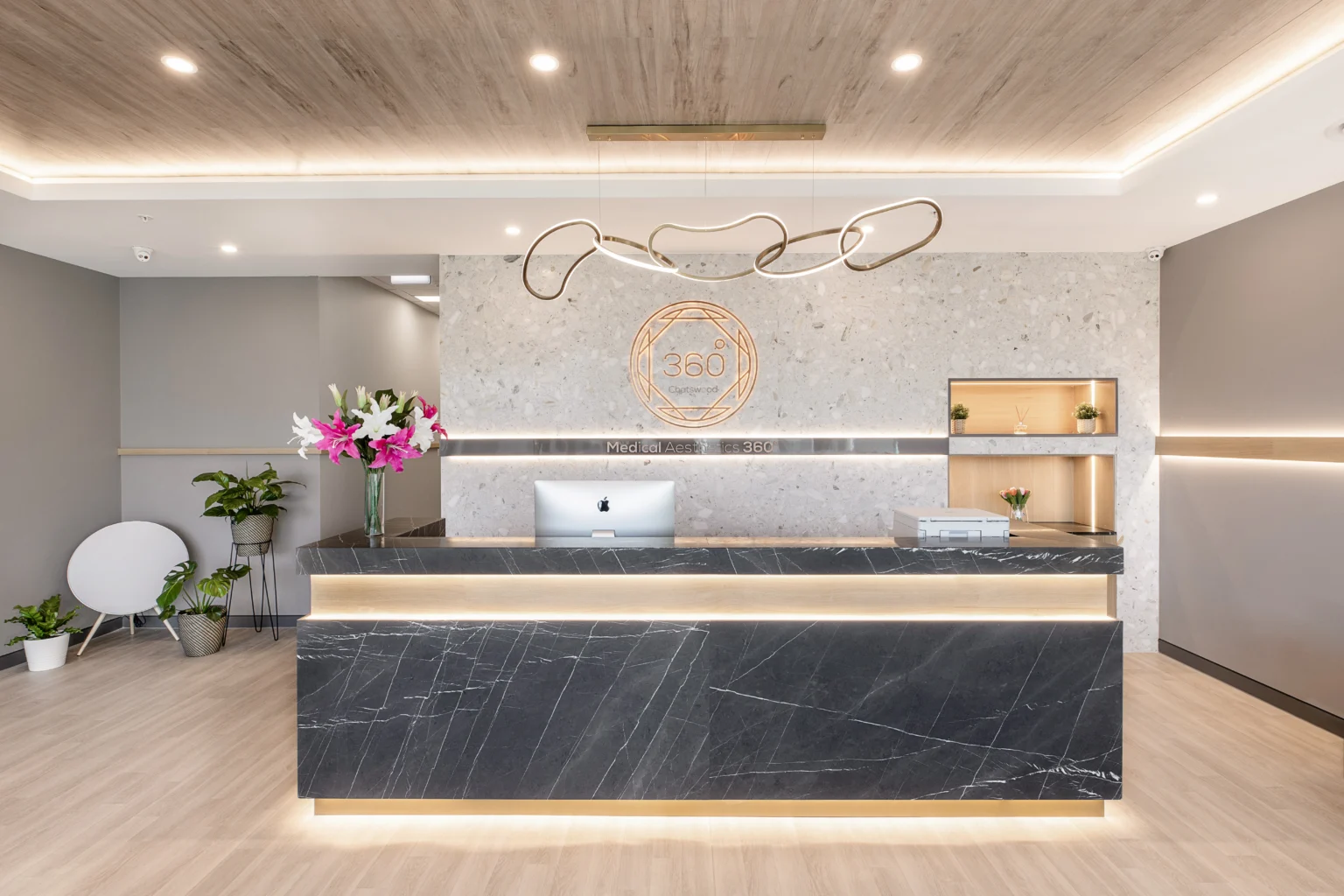 MA360 · Chatswood
Bring your questions and the changes you have noticed. We’ll discuss your priorities, assess your skin and explain the options, including when treatment may not be appropriate.
Send an enquiry and our team will contact you. Appointment availability and suitability are confirmed separately.
Suite 203, 38B Albert Avenue
Chatswood NSW 2067
41–43 Dora Street, Hurstville NSW 2220
MediSpa: Shop 2, 15 Dora Street
This information is general and does not replace an individual consultation or medical diagnosis. Treatment suitability, risks, downtime and results vary between people. Acne information and skin cancer information from healthdirect provide further general guidance.